Seatrade Maritime: Long-term charters may explain Zim’s premium price
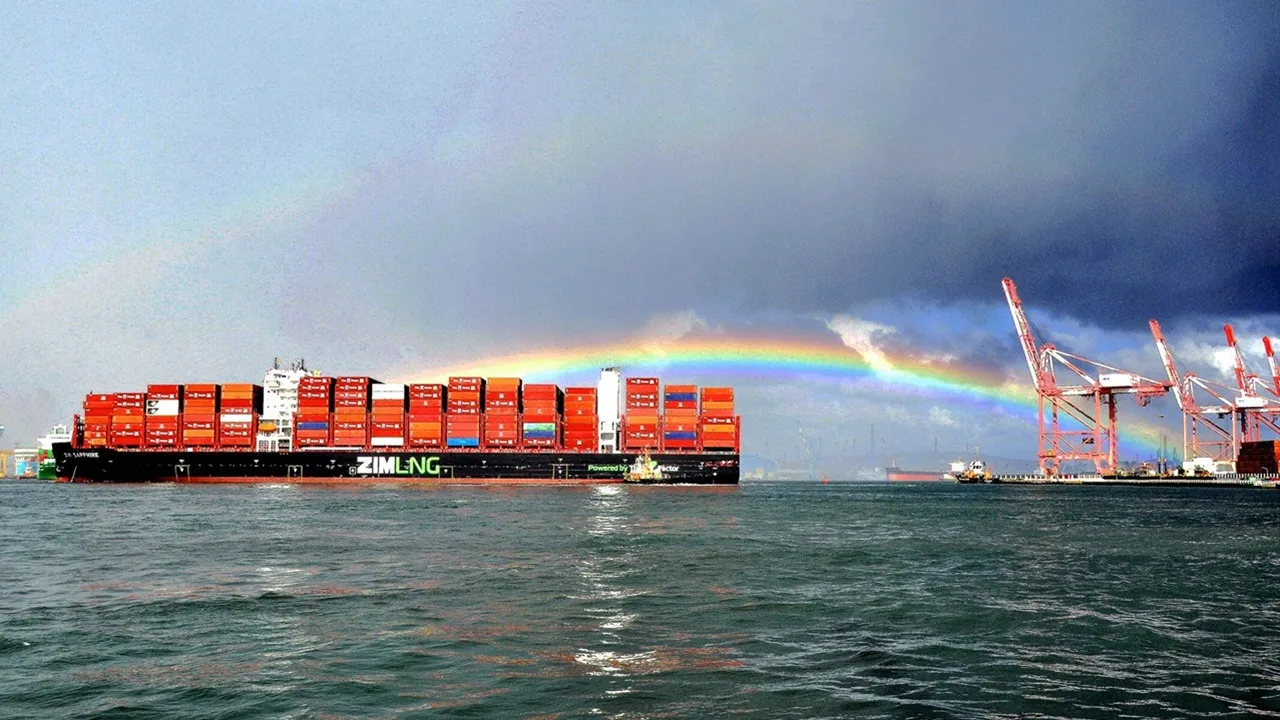
Since Hapag-Lloyd announced its intention to acquire Zim on 16 February, an industry debate has continued over whether the price of $35/share, a total of $4.2bn, is too high.
The $35 share offer represents a 58% premium over ZIM’s stock price just prior to the announcement and a 126% premium over the share price before takeover speculation began.
In a speculative story in its weekly newsletter, Alphaliner offers a possible explanation as to why the German carrier was willing to pay a price that was seemingly over the odds for a carrier with few assets. Assuming, of course, that Hapag’s experienced management have not made an accounting error or collectively lost the plot.
According to MDS Transmodal Data, Zim owns 14 vessels ranging from 1,147 teu to its trio of 10,062 teu ships. The line also charters 99 ships, 10 vessels of 15,000 teu each and 63 ships of 5,510 teu and smaller.
Of the 99 chartered vessels, the larger and more modern ships are on long-term charters from companies like Eastern Pacific Shipping and Seaspan.
The combined Zim and Hapag tonnage deployed on the most lucrative trade, Asia to North America, is more than 20% of the 966,911 teu standing capacity deployed. Smaller vessels may be destined for Gemini shuttle work, given that the alliance operates more efficiently if it owns the entire port-to-port operation.
“When ZIM entered into these long-term contracts, typically around two years before the ships were delivered, the daily rates were widely seen as ‘on the pricey side’,” according to Alphaliner.
Actual rates were never in the public domain with the assessment of prices through market rumours and an assessment of known comparable charters.
A surge in newbuilding orders caused by the massive profits carriers made during and after the pandemic led to rapid yard inflation as shipyards filled slots, leaving owners vying for yard space for new ships.
“The past years’ rapid inflation, and the massively increased price of container ship newbuildings in particular, now makes the rates that ZIM pays look a lot more attractive,” said the consultant, adding “with almost a decade left on many deals, these charters could even be seen as bargains.”
Alphaliner agues that in particular Seaspan — which has chartered 25 LNG dual-fuel ships to Zim on long-term contracts — may have tried to reduce its exposure by requiring the Zim to make an advance on the payments of around 10% before construction work began.
“In turn, ZIM and Seaspan could then have agreed upon a lower daily rate over the 12-year contract periods,” said Alphaliner.
If upfront payments were made then any buyer of the company would benefit from the reduced charter rates, as the up-front payments would have been priced into the cost of acquiring the company.
Alphaliner made it clear, however: “No such transaction has ever been confirmed,” adding, “It would [however] make sense for an owner that has put a lot of eggs into a single basket with 25 long-term charters to ZIM.”
Related Posts