Seatrade Maritime: 20,000 seafarers stranded in the Gulf: IMO Secretary-General
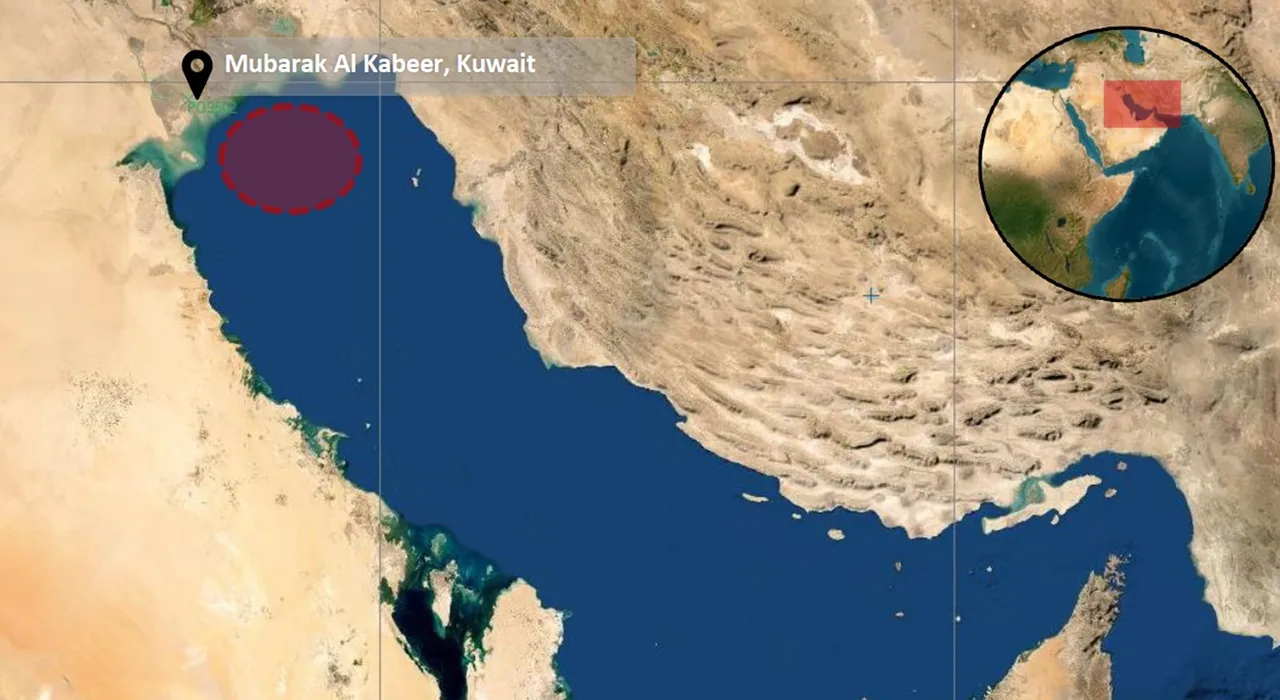
With it unsafe to navigate the Strait of Hormuz ships that were in the Arabian Gulf at the time the conflict between US/Israel and Iran broke out are unable leave the region.
The Iran’s Islamic Revolutionary Guard Corps (IRGC) claim to control the Strait of Hormuz and have threatened to burn any ships that try to pass through the waterway. However, legally the waterway connecting the Arabian Gulf to the Gulf of Oman remains open.
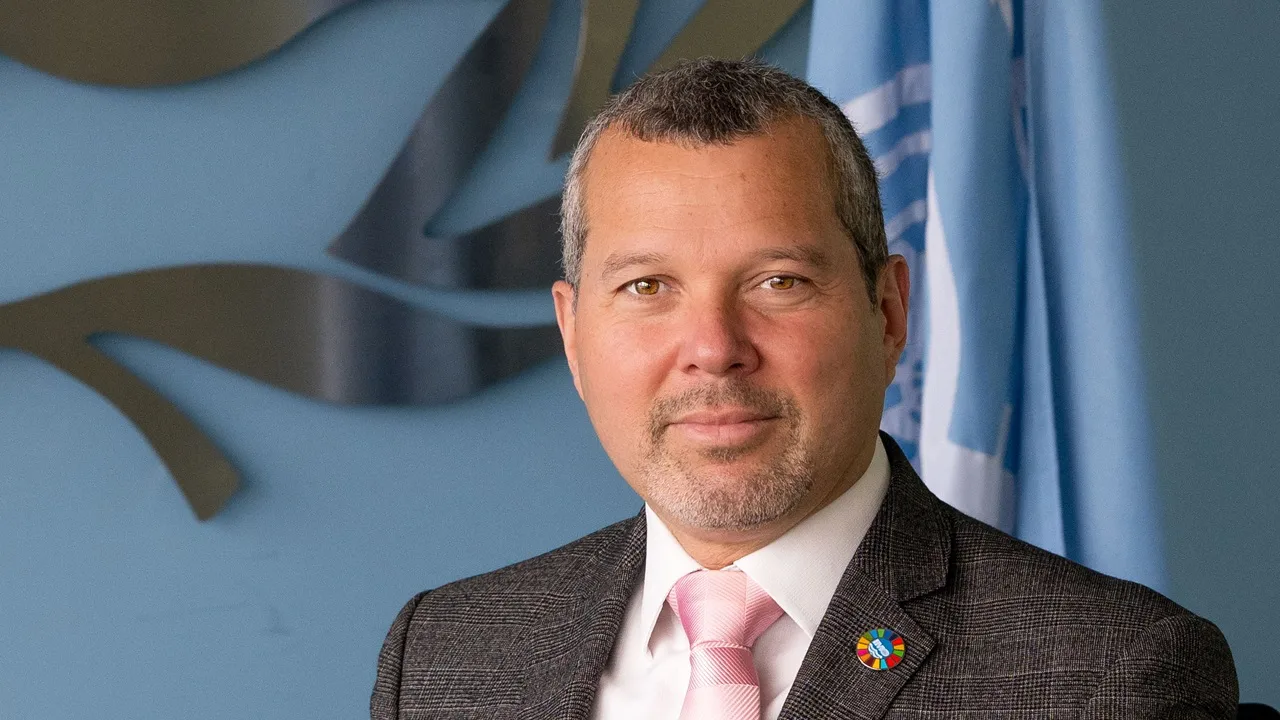
In a video interview with The National newspaper in UAE Arsenio Dominguez, Secretary-General of the International Maritime Organization (IMO), said: “The Strait of Hormuz is actually open. The Strait is not closed. It’s just that It’s not safe for ships to navigate and operate in the region right now.”
Nearly 150 container ships, 450 oil and gas tankers, and 200 bulk that trade internationally were estimated to be inside the Strait of Hormuz when the conflict started leaving thousands of seafarers stranded on board.
“The ones that are immediately affected are the seafarers, the people onboard the ships, and we’re talking about 20,000 seafarers that are being affected and 15,000 people on passenger ships,” Dominguez said. Seatrade Cruise News reported that there are six cruise ships in Gulf with their passengers.
With air travel shut down in the much of the region, although a small number of repatriation flights have started, seafarers are stuck on their ships in the Gulf. Even if seafarers were able to fly out of the region shipowners would not want to leave ships worth tens to hundreds of millions of dollars uncrewed.
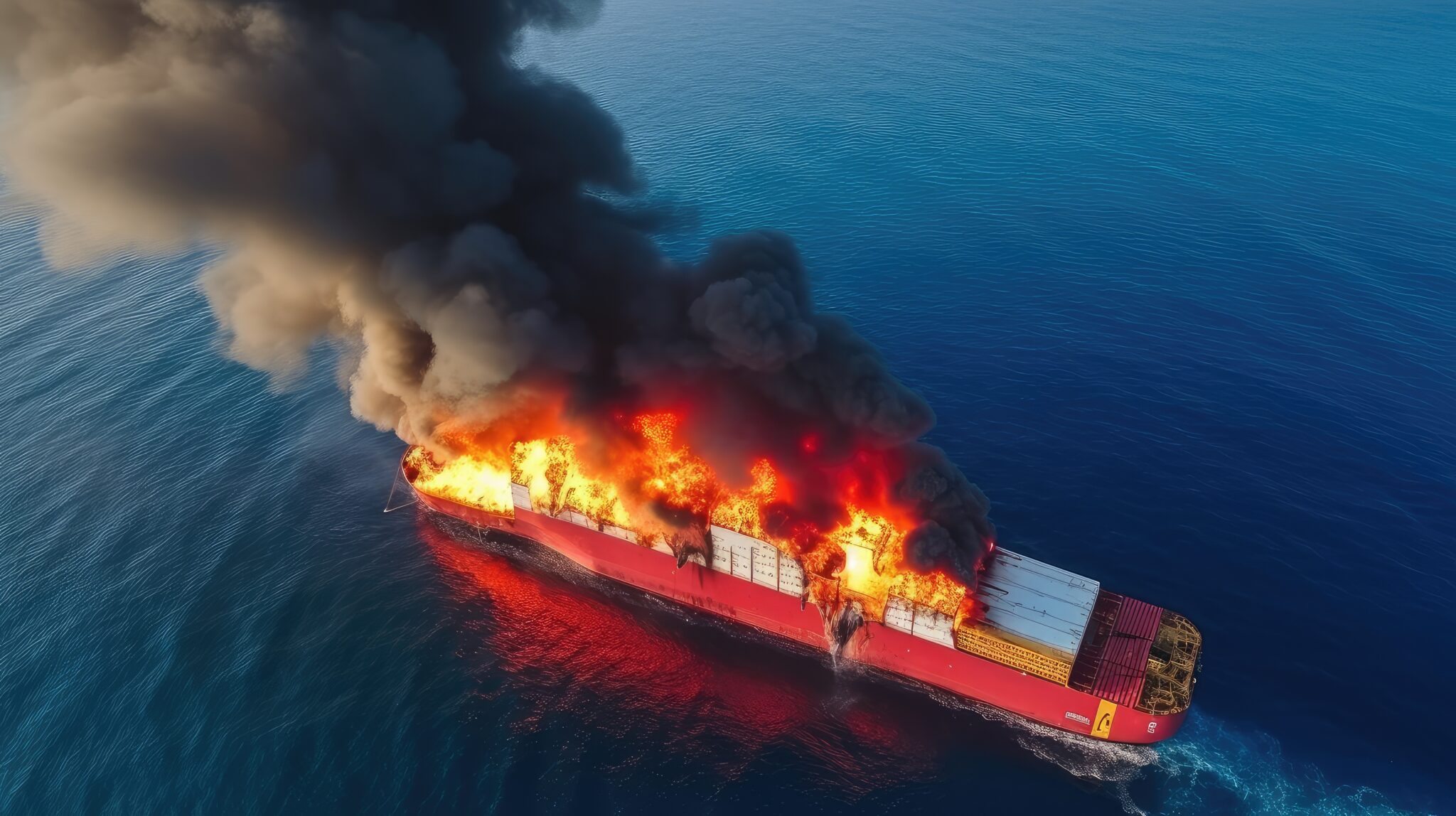
At least 10 commercial ships have either been struck or involved in near misses in region since the 28 February.
In a statement International Chamber of Shipping (ICS) Chairman Emanuele Grimaldi also highlighted the dangers faced by crew stranded in the region. “I have been deeply concerned about the seafarers who are being put in extreme danger in the Strait of Hormuz and the surrounding region when they are simply trying to do their job. By no fault of their own, their lives are now tragically at risk,” he said.
“We call on all States to take the fundamental steps to ensure their safety. My thoughts are with the seafarers who have tragically lost their lives and their families, as well as the seafarers currently stranded.”
As a result of the dangers faced in transiting the region insurers have either withdrawn war risk cover or premiums have skyrocketed.
“We now see how insurance companies are not ready to provide war risk insurance to vessels or they are five times the price which is of course not affordable,” the IMO Secretary-General said.
Related Posts