Freightwaves: FMC monitoring war’s effect on ocean shipping rates
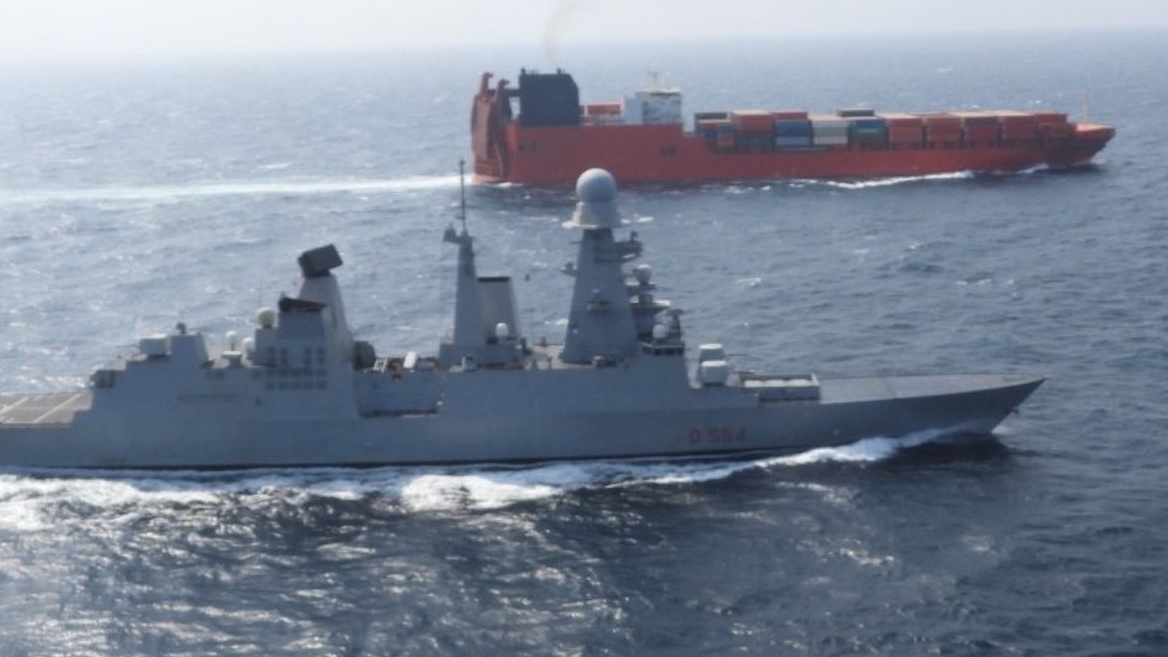
As the Iran war disrupts Middle East supply chains, the Federal Maritime Commission said it is closely monitoring the impact the current conflict is having on shipping conditions through the Strait of Hormuz.
The regulator said it is using its statutory authority to ensure that rates, charges, and rules that common carriers have implemented as a result of the threats to commercial shipping in the Strait and neighboring waters do not violate the Shipping Act.
While wartime profiteering is commonplace, history has shown that legitimate fortunes were made in shipping during high-profile conflicts.
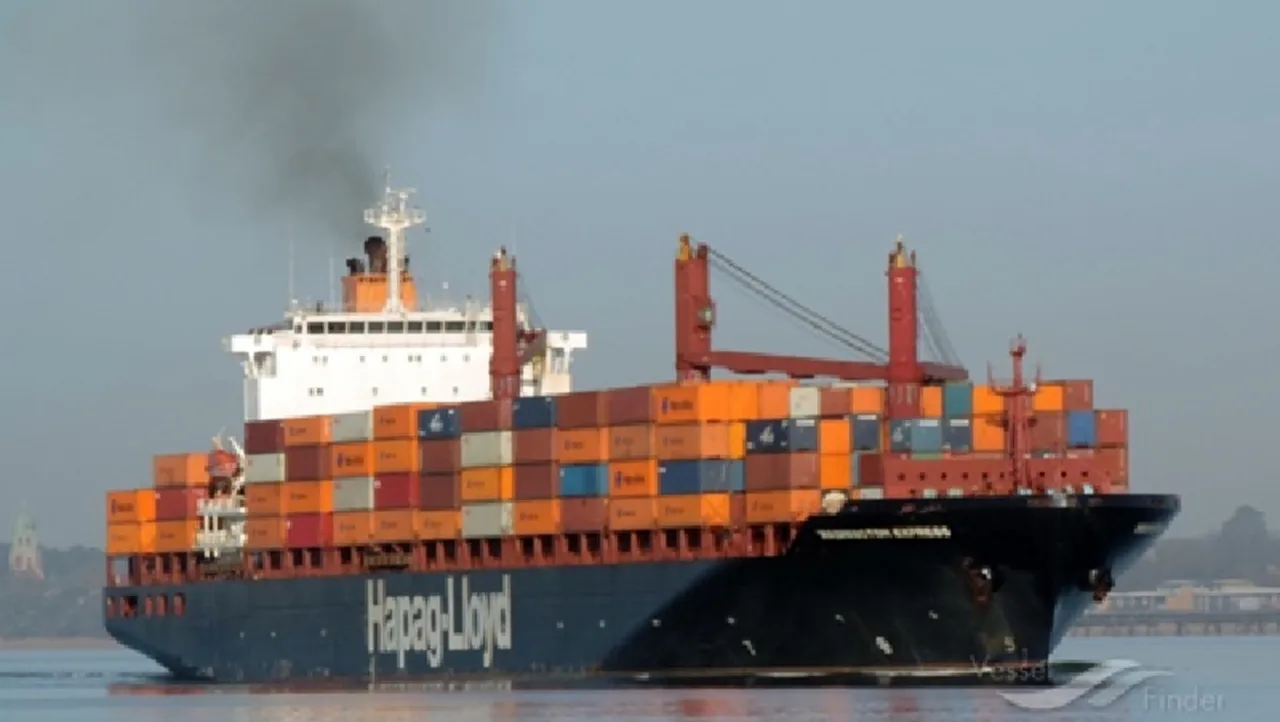
Iran’s shutdown of the Strait has trapped hundreds of ships in the Persian Gulf, and forced carriers to divert cargo to alternate ports. Ocean lines have also announced a range of emergency surcharges levied on shippers to cover diversions and other costs.
“Commission regulations require common carriers to provide at least 30 days between the publication and effective date of a change to a tariff that results in an increased cost to shippers,” the FMC said in a release. Its rules also outline a process through which a common carrier may submit a Special Permission (SP) request showing good cause to reduce this 30-day waiting period.
The agency reviews and votes on all SP requests. If an SP is granted, the approval will show the effective date permitted for the charge. A tariff rate, charge, or rule must be in effect at the time the carrier or its agent receives cargo.
The FMC urged shippers to review their common carrier’s tariff and contract terms, and reminded liners of the Shipping Act’s prohibitions against discriminatory and unreasonable practices.
Related Posts