Seatrade Maritime: Ageing fleet eases Red Sea return risks for feeders
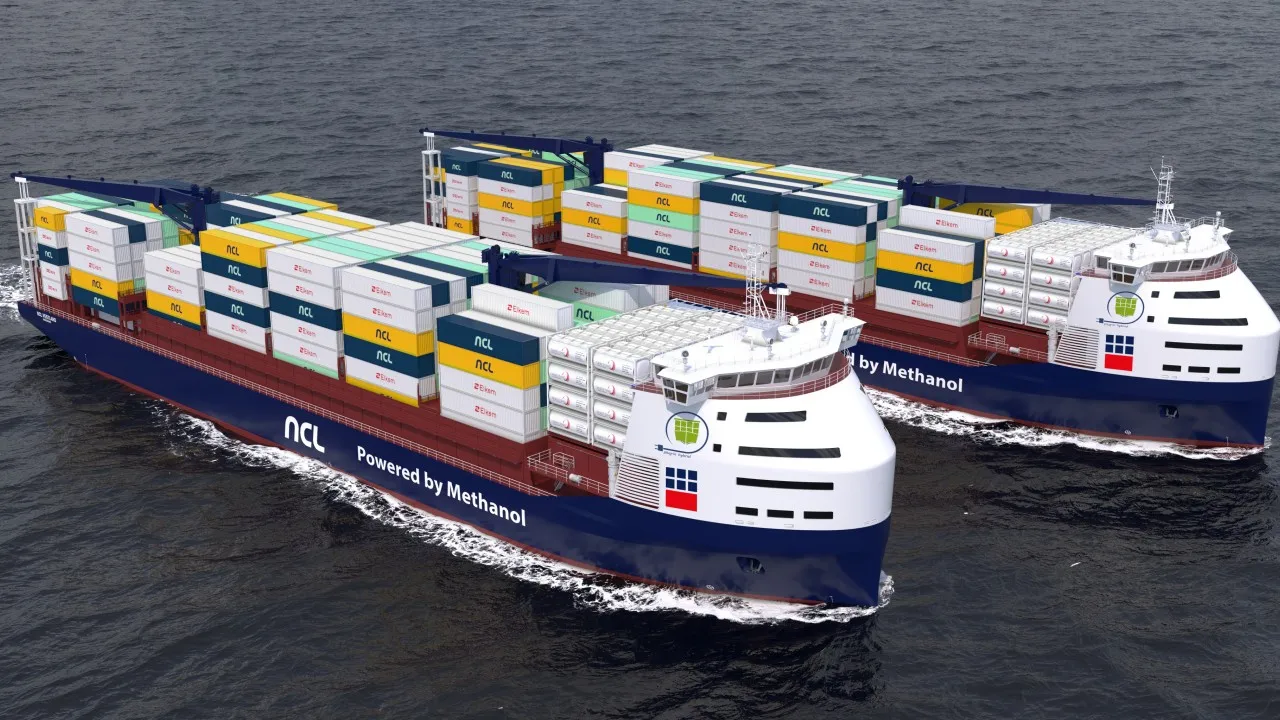
The container feeder market has a “very interesting constellation” when it comes to the potential impacts of a return to the Red Sea for commercial shipping, tonnage provider MPC Container Ships said on its Q4 2025 earnings call.
Co-CEO and CFO Moritz Fuhrmann said the likelihood of container ships returning to regular transits of the Suez Canal and Red Sea remained very uncertain. “Sabre rattling” between the US and Iran has led to mixed messages from container lines, said Fuhrmann, and from MPC’s perspective a meaningful reversal of rerouting via the Cape of Good Hope is “very unlikely” in the foreseeable future.
In the event of a return to the Red Sea, the small- and medium-size vessel segment MPC Container Ships operates in would not be directly affected — as these ships do not regularly transit the Suez Canal — but an indirect impact may be felt.
As feeders and smaller vessels form part of the same supply chains, a “trickle-down” effect may be felt where larger vessels are redeployed from mainline trades suffering from overcapacity into regional trades, displacing the smaller vessels.
This trickle-down or cascade effect of tonnage has been seen in previous periods of overcapacity, but Fuhrmann believes the age profile of the feeder fleet in particular will limit the impact on charter opportunities in the segment.
The feeder fleet on the water is very old, he said, and the orderbook for feeders is not sufficient to replace the tonnage expected to age out of the fleet in the coming years. “At the same time, you have a very, very healthy underlying demand, in particular for feeder trades,” said Fuhrmann. Ultimately, he believes the magnitude of the impact of a return to the Red Sea will not be as severe for small and medium-sized container ships as some might expect.
Upbeat outlook
As the forecast for the container sector weakens and the threat of Red Sea diversions threatens to send lines into negative earnings, the age profile of the smaller container ship fleet underpinned a positive outlook from MPC Container Ships.
CEO Constantin Baack said the company’s core segment of 1,000 – 6,000 teu vessels has more than 800 vessels of over 20 years of age in the global fleet and an orderbook of around 430 units. “In other words, the replacement pipeline does not fully offset the ageing profile of the existing fleet, and orderbook-to-fleet ratios remain moderate,” he said.
“When you look at fleet fundamentals in general, what we can observe is a clear structural imbalance in the smaller vessel categories, and, more broadly, a disconnect between where ships are being ordered and where, in our view, they are most needed.”
The co-CEOs both mentioned volatility and uncertainty during the call, but Baack noted a general resilience in the intra-regional trades that employ MPC’s fleet when compared to mainline trades.
MPC Container Ships reported a profit of $237m for 2025, down from $266m in 2024, as operating revenues dipped and expenses rose. The company had a forward charter backlog of $2bn, with 3% of vessel days open in 2026.
Related Posts