Seatrade Maritime: Alternative fuelled vessel orders plateau as regulations stall
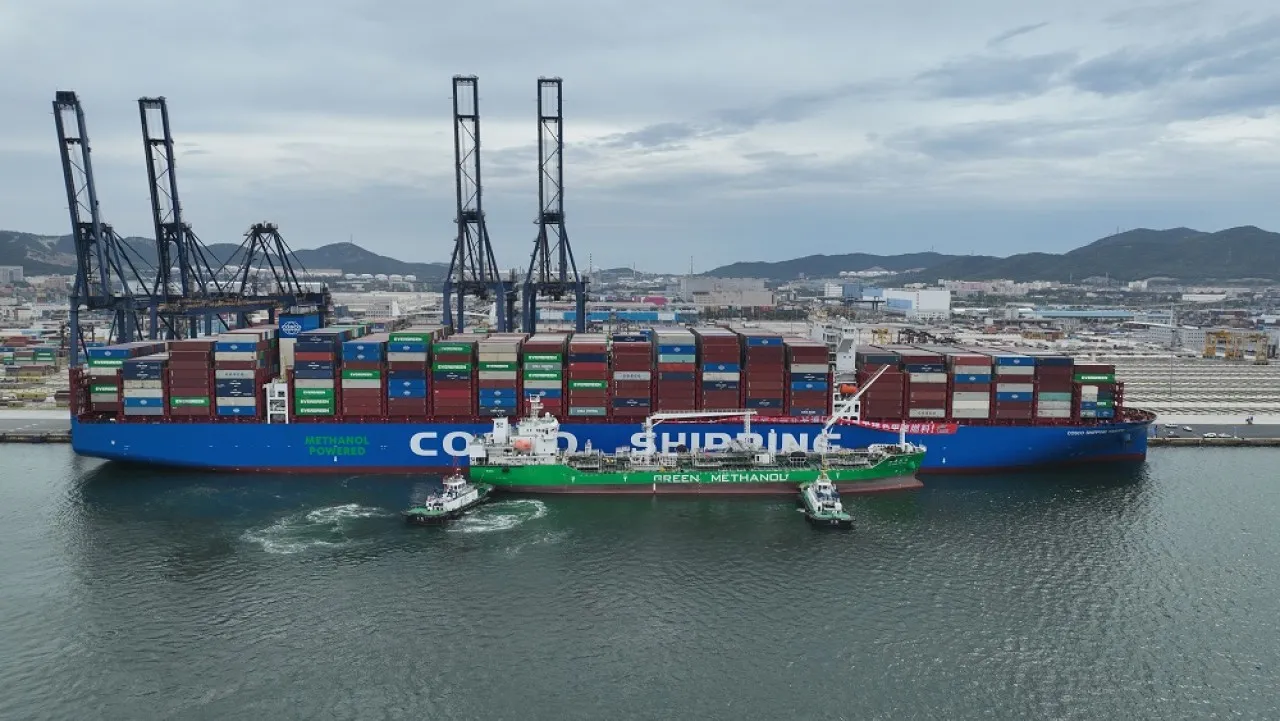
Clarksons’ Green Technology Tracker clocked up almost 500 ships ordered in 2025 with alternative fuel capability, accounting for 37% of tonnage compared with 45% in 2024.
Global Head of Clarksons Research, Steve Gordon, said: “With the geopolitical and industry consensus on emissions regulation stalling for the moment and continued challenges around ‘green’ fuel pricing and availability, trends in alternative fuel uptake have stabilised across 2025 with the share of orderbook tonnage adopting alternative fuel steady at 47% (end 2024: 50%, end 2015: 10%).”
Container ships dominated new orders in 2025 and continued to lead in alternative fuel contracting: 62% of boxship capacity will be alternative fuel capable. Ship sectors that can use cargo as fuel, such as LNG and LPG carriers, or have consistent trading patterns and supportive stakeholders such as container and pure car carrier operators, continue to have the highest take-up rates, the Clarksons analysis revealed.
LNG continues to be the leading alternative fuel of choice, accounting for 80% of orders, a 5% increase on the 2024 figure. This comes against a backdrop of continuing concern over the availability and bunkering facilities for other fuels such as green methanol and ammonia, Clarkson said. The analysts recorded 256 contracts for LNG-capable vessels (195 excluding LNG carriers), 66 methanol-capable ships, five ammonia units, 21 capable of using LPG, and nine hydrogen-ready vessels. Ships ordered with battery power numbered 171.
In terms of deliveries, a record number of 484 ships of almost 34 million gross tons (GT) joined the fleet, bringing the alternative fuel-capable fleet to 9% of the global fleet in GT terms. Taking into account this new record and the 47% of ships on order that are set to be alternative-fuelled, Clarkson estimates that more than 20% of the world fleet will be able to operate on alternative fuels by 2030.
Meanwhile, the take-up energy-saving technologies (EST) continues at pace. About 14,200 vessels are now fitted with energy-saving devices of various types, representing about 46% of the fleet. They include rudder bulbs, propeller ducts, Flettner rotors, wind kites, and air lubrication systems.
So-called ‘eco ships’ now make up 37% of the global fleet as measured in GT. This has implications for ships’ earning potential and values, and are generating increasingly ‘tiered’ and complex charter markets, Clarkson said.
The average age of the fleet is 13.4 years on a GT-weighted basis, up from a low point of just 9.7 years in 2013. About 49% of the fleet is now more than 15 years old.
Related Posts