Seatrade-Maritime: Decision on IMO NZF deferred to November
Published by Seatrade-Maritime
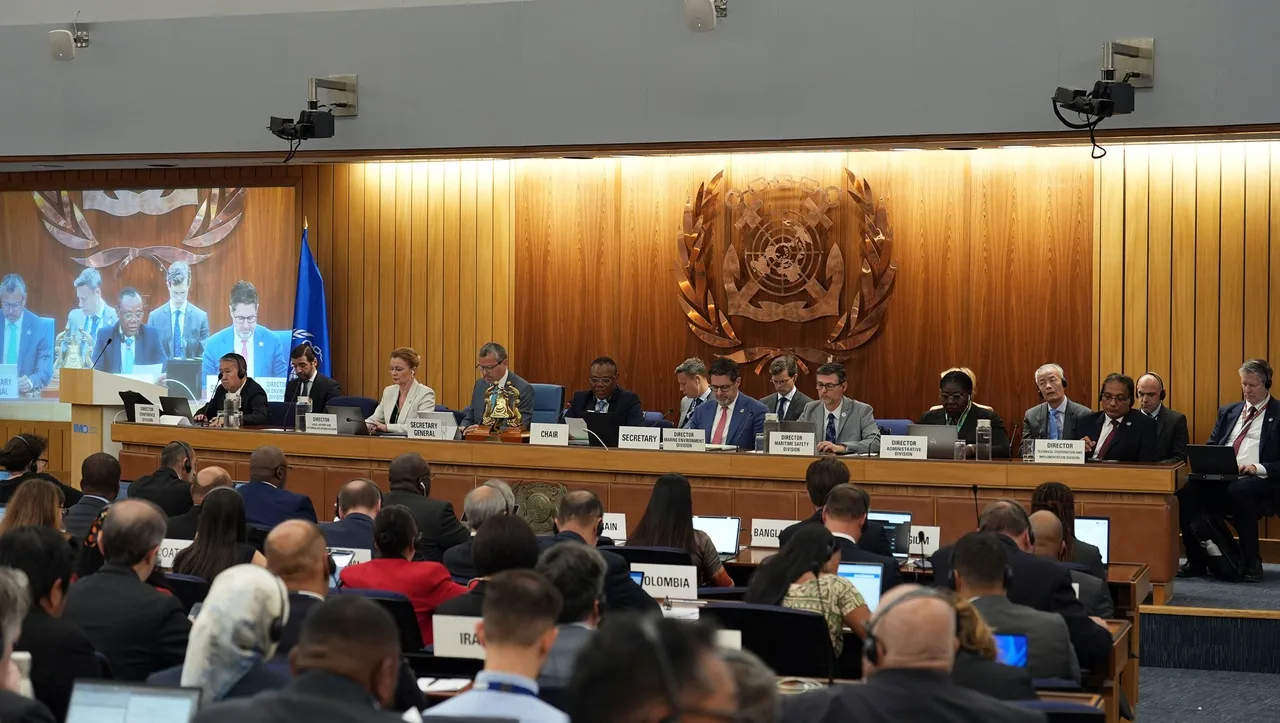
Further discussions to strengthen the Net Zero Framework (NZF) have been agreed at the IMO’s Maritime Environment Protection Committee (MEPC), meaning that adoption of the regulations will take place in November at the earliest.
The effective outcome of this MEPC84 is that the NZF, apparently on the rocks following the MEPC/ES2 in October, is now seemingly back on track.
Draft terms of reference were agreed for the intersessional working group (ISWG), which will report back to MEPC85 scheduled to take place from 23 November this year with the resumption of the extraordinary session (MEPC/ES2) scheduled for the following week.
The draft terms of reference focus on greenhouse gas (GHG) “chain of custody models” that allow for the traceability of alternative fuels and therefore the life cycle assessment of an alternative fuel.
The GHG discussions will include a one-day workshop with an expert, which will be held ahead of the ISWG meeting scheduled for September.
The working group will take into account the submissions made to both this MEPC84 and MEPC85, while also considering the terms of MARPOL Annex VI to make certain that new proposals are in line with the IMO’s 2023 GHG Strategy.
The carbon fund is also expected to be considered, not by the ISWG, but at MEPC85, with the fund and its operation a concern for many member states and shipowners, who consider the fund a global levy.
Delegates are now more certain that the NZF will be adopted, as the US stance on alternative fuels has been adjusted to making sure that the IMO remains “fuel agnostic”.
One source present at IMO and at ISWG was optimistic of finding solutions, they said that the technical discussions were conducted in a very positive atmosphere, with progress 95% of the way to completion.
It is possible, according to another source present at IMO HQ, that the carbon fund will be separated from the NZF and discussed at MEPC86 to give the committee more time to assess and address concerns.
One issue raised by Nigeria is that the fund was meant to address the issue of older vessels, many of which are used to deliver food, including staples such as grain and rice. If the fund is cut, these ships will not be replaced by modern tonnage — Nigeria argued that they should be excluded from the NZF, otherwise the food shipments would cease.
Related Posts