Seatrade-Maritime: Escaping the Strait of Hormuz – not worth the risk
With the US – Israel and Iran war dragging into its eighth week close to 1,000 ships and 20,000 seafarers remain trapped in the Arabian Gulf region.
While the US has indefinitely extended its ceasefire with Iran earlier this week the conflict would appear to be at something of a stalemate. The US navy continues to blockade Iranian ports and Iran is maintaining its closure of the Strait of Hormuz as it says the US blockade and interdiction of vessels violates the ceasefire agreement. Meanwhile peace negotiations remain up in the air.
In such a scenario it’s not that surprising that some shipping companies are trying to take advantage of even the smallest of window for their vessels to escape the Gulf region.
When the strait was briefly declared completely open by Iran and the US on 17 April many vessels rushed to try and transit outbound despite the warnings of caution from the likes of Bimco and the International Maritime Organization (IMO). These warnings proved prescient as less than 24 hours later two Indian-registered vessels tanker Sanmar Herald and bulker Jag Arnav were fired upon by Islamic Revolutionary Guard Corp (IRGC) craft, and the container ship CMA CGM Everglades was struck by a projectile, all while trying to transit the Strait.
Iran then announced the Strait was closed to all traffic due to the continued blockade of its ports by the US via a naval blockade in the Arabian Sea.
Upping tensions further the US Navy fired on and seized an Iranian flagged container ship Touska after it attempted to break through the blockade.
Despite the sharply rising tensions transits of the Strait of Hormuz did continue to happen in the coming days and according to the Joint Maritime Information Center (JMIC) there were six transits on 19 April and 16 on 20 April based on AIS tracking data.
Now of course in a volatile security environment not all vessel owners choose to keep their AIS transponders on especially if attempting to transit an area where the threat is deemed critical.
On 21 April container shipping consultant Linerlytica reported that six MSC vessels appeared to have successfully transits the strait outbound to the Gulf of Oman with their AIS transponders turned off. However, two of the ships the MSC Francesca and Epaminondas were yet to reappear on AIS tracking.
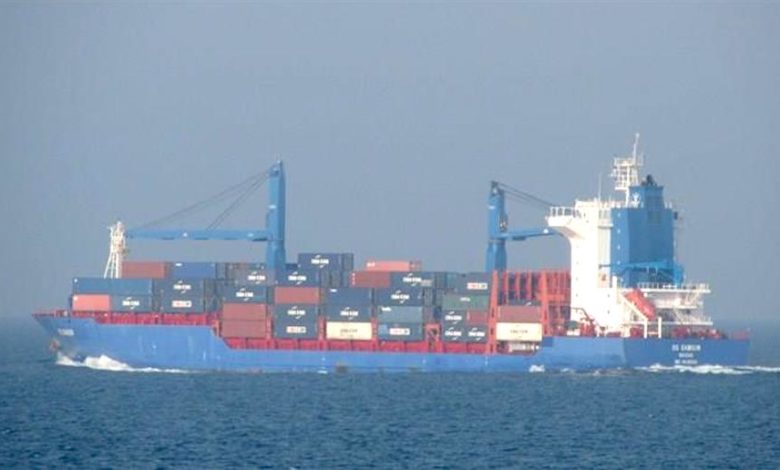
The following day it became clear that the reason these two vessels hadn’t turned their AIS transponders back on was because they hadn’t attempted transit of the strait until 22 April. In quick succession warnings came of attacks on the MSC Francesca, Epaminondas, and a third container ship Euphoria by fast attack boats from the IRGC Navy. The IRGC Navy seized both the MSC Francesca and the Epaminondas which were then guided to Iranian water close to the port of Sirik. The Euphoria was able to escape and made it to UAE waters.
The seizure of two MSC container ships, and the earlier attacks on the Indian-registered vessels and the CMA CGM box ship, illustrate just how dangerous attempting to transit the Strait of Hormuz really is at present.
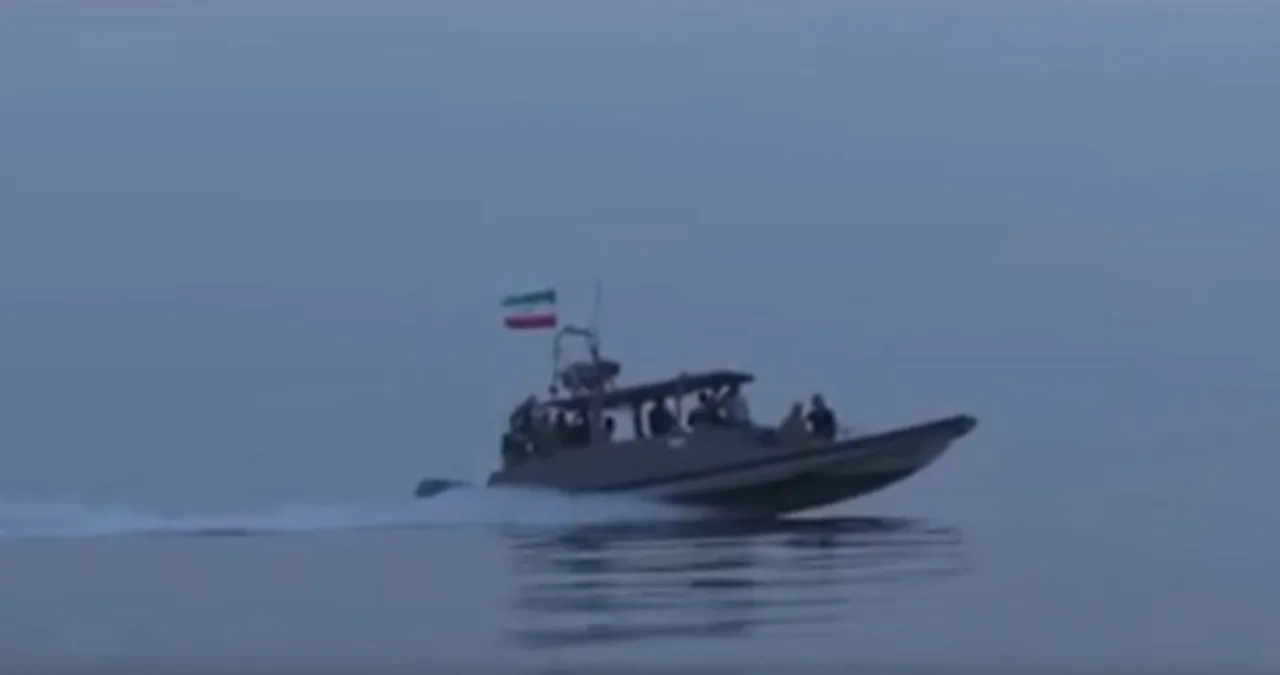
While US President Trump may repeatedly claim to completely destroyed the Iranian Navy you do not need war ships to stop and capture commercial vessels as has been shown in the past by the Houthi in the Red Sea and Somali pirates. The IRGC is using small, fast craft to swarm large commercial vessels firing on them to bring them to a halt, and then boarding as is shown in a video of seizure of the MSC Francesca released by the IRGC Navy.
The situation for roughly 20,000 seafarers stranded in the Gulf is far from ideal with a shortage supplies and rationing on some ships, fear that the war will reignite putting vessels anchored in the Gulf in the firing line again, and no idea when they will manage to get home. However, it is the lesser of two evils of the substantial risk of being shot at and detained indefinitely by Iranian forces trying to exit at the Strait.
As IMO Secretary-General Arsenio Dominguez said in response to the vessel seizures: “The situation in the region remains extremely volatile. I cannot understand why companies would take risks and endanger seafarers’ lives.”
Related Posts