Seatrade-Maritime: EU needs to act to secure strategic industry
Published by Seatrade-Maritime
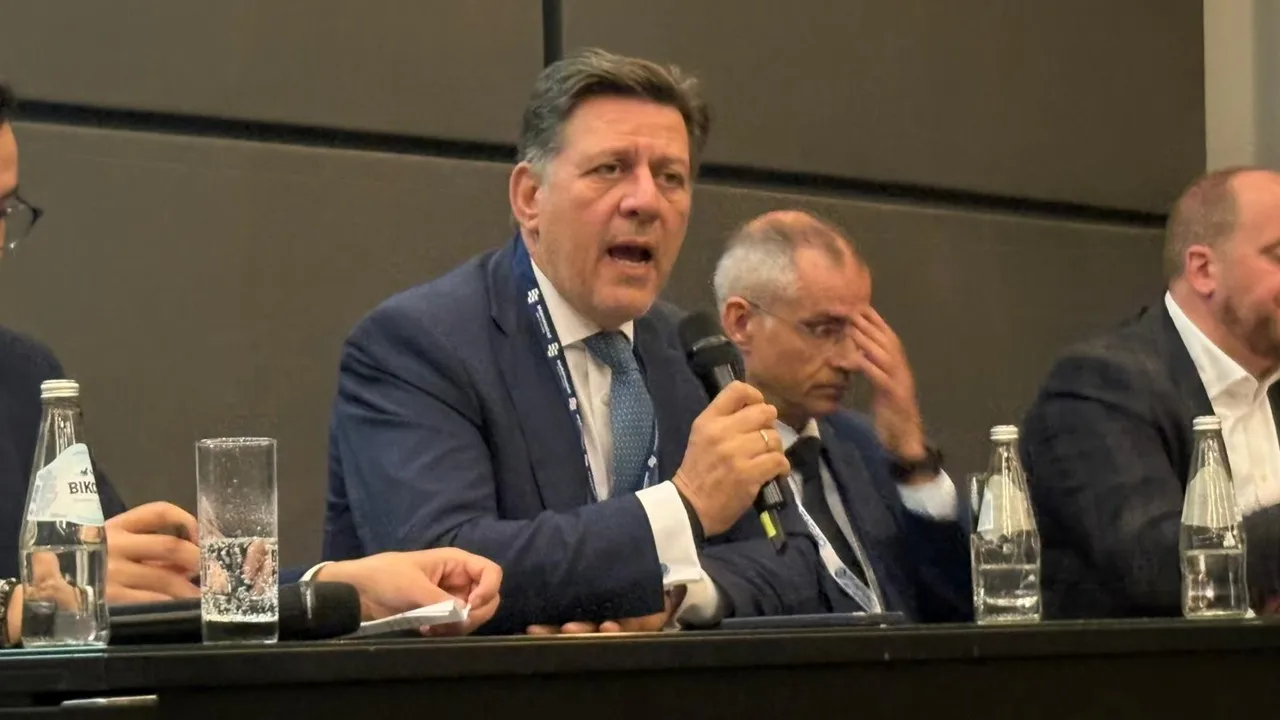
Skaramanga shipyard’s VP and CEO Miltiadis Varvitsiotis sees multiple threats to European security and the strategic industry that is shipbuilding and repairs.
A seminar on security seems an unlikely place to see a shipyard manager commenting on the wider political climate, but Skaramanga CEO Miltiadis Varvitsiotis did not hold back in his views on European defence and economic security.
Varvitsiotis forcefully argued that the transition in the political and economic climate meant that Europeans were being left behind, and the CEO believes that hard power is the foundation for modern competitive economies.
“Europe still believes that it can deal with all the global threats and become a global laptop based on soft diplomacy,” Varvitsiotis said, opening the panel on Strategic Infrastructure and Investment.
“This is impossible,” he said, “If you don’t have army, if you don’t have navy, if you don’t have air force, and you don’t have the will to use them, you are irrelevant in this modern world. And this is a reality that I believe everybody should realise.”
Coupled with that hard power is the economic will to support strategic industries to make sure they remain competitive.
Varvitsiotis pointed to the Polish yards which in the decades before the country switched from communism to a market economy had great output, “Once they joined the European Union, this output fell radically,” he said.
EU yards in 2000 built 55% of the world’s tonnage, and China just 5%, but bureaucrats decided that they did not want to build half the ships in the world anymore, and that trend has reversed claimed Varvitsiotis.
“They applied very strict state aid rules, very strict environmental rules, very strict labour, safety, health and insurance rules, and they actually deprived the shipbuilding sector from any EU funding. And this is still the case until now,” he added.
According to the CEO the EU is now going to subsidise green shipbuilding, but he urged Poland and Greece to join together to call for every euro spent on these subsidies should be spent in European yards.
“Otherwise, we are going to be left without any orders, they will go to be made elsewhere, and the money of European Union and European taxpayer are going to be sent out there,” said Varvitsiotis.
In addition, there is a need to stimulate the shiprepair yards to employ the naval engineers, electricians and mechanical engineers that the EU is now lacking due to the decline of its yards.
He said that instead of European yards competing against each other they must be consolidated into a pan-European shipbuilding industry that is not totally fragmented as it is today, is highly competitive and will create, rather than destroy more jobs.
Another source of growth will be the burgeoning offshore business within Europe which can add to the demand, but there is a necessity to invest in the industry emphasised Varvitsiotis. Next there is a requirement to create the regulatory framework that will allow the business to grow.
“State aid rules,” he said must be relaxed, “All the shipyards in the Far East, they work with export guarantees provided by the state. This is unthinkable in Europe. Second the environmental rules and the licensing of a new infrastructure in shipyards are very hard to acquire.”
According to Varvitsiotis this proposal has already been mooted by Apostolos Tzitzikostas who serves as the European Commissioner for Sustainable Transport and Tourism.
Lastly, the EU must address the shortages of labour and the educational system that is neglecting technical education.
Related Posts