Seatrade Maritime: Flexibility drives growth of neo-panamax container ship fleet
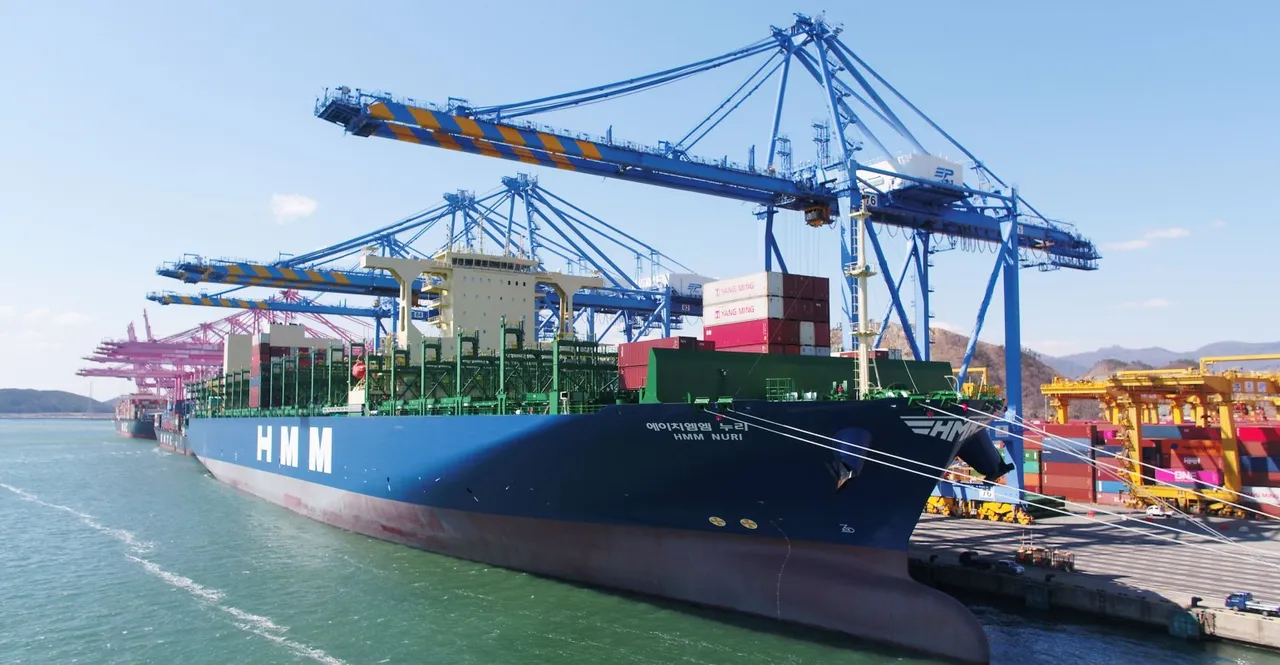
Since the first Trump presidential term political and economic machinations have seen major changes to supply chains, in Trump’s second term these cunning manoeuvres have been supercharged, with carriers’ response to order smaller vessels.
Adaptability is the key to meeting demands made in a rapidly changing world and that has been reflected in the orderbook over the last few years as the integration of supplies and globalisation has slowed, according to chief analyst at Xeneta Peter Sand.
“Interest in orders has been in the mid-large, from around 10,000 teu to 16,000 teu, and not just 24,000 teu ships to me that’s testament to the fact that carriers are also thinking about making more complex supply chains, not only getting into China and not only bringing [cargo] into main ports in Europe but using smaller ports than they used a decade ago,” said Sand.
Alphaliner reported this week that 69 of the 170 ships delivered in 2025 were in the neo-panamax size range, compared to just eight ships of more than 23,000 teu.
According to MDS Transmodal data some 7 million teu in total capacity is already operational in the 10,000-15,000 teu size range, a little under 1.5 million teu of this tonnage is already over 25 years old. Some 2 million teu is on order, however, which will see these mid-range sizes, already the most popular by far, increase their number and the overall capacity.
The shift to mid-sized vessel orders is pronounced and a clear indication that the liner shipping companies are reacting to a developing market situation which has the potential to shift its focus. China, as the major global exporter, showed its ability to rapidly find new markets last year.
A shift of focus that Sand said was “impressive”, but the tonnage requirements will necessarily take longer to solve given the two-year lead time required to build a vessel.
In order that carriers can meet the new demands they must, “Make sure they don’t limit themselves to having a fleet that can only go into Chinese mega-ports,” explained Sand, adding, “I’m talking about flexible but large ships that can call at newbuild ports in Vietnam, India or Malaysia or wherever to me that’s risk management of the changes in supply chains that we’ve seen.”
Draught and beam will be more of the technical aspects of the move to more flexible fleets, but the main driver is the geopolitical changes that have occurred over the last decade or so said Sand.
Related Posts