Seatrade Maritime: Mandatory reporting of containers lost at sea comes into force
A number of key new regulations, both global and regional, will be enforced from the 1 January this year, with safety and sustainability featuring high on the list of rules.
One key amendment to the International Maritime Organization’s (IMO) MARPOL and SOLAS conventions is the mandatory reporting of container lost at sea.
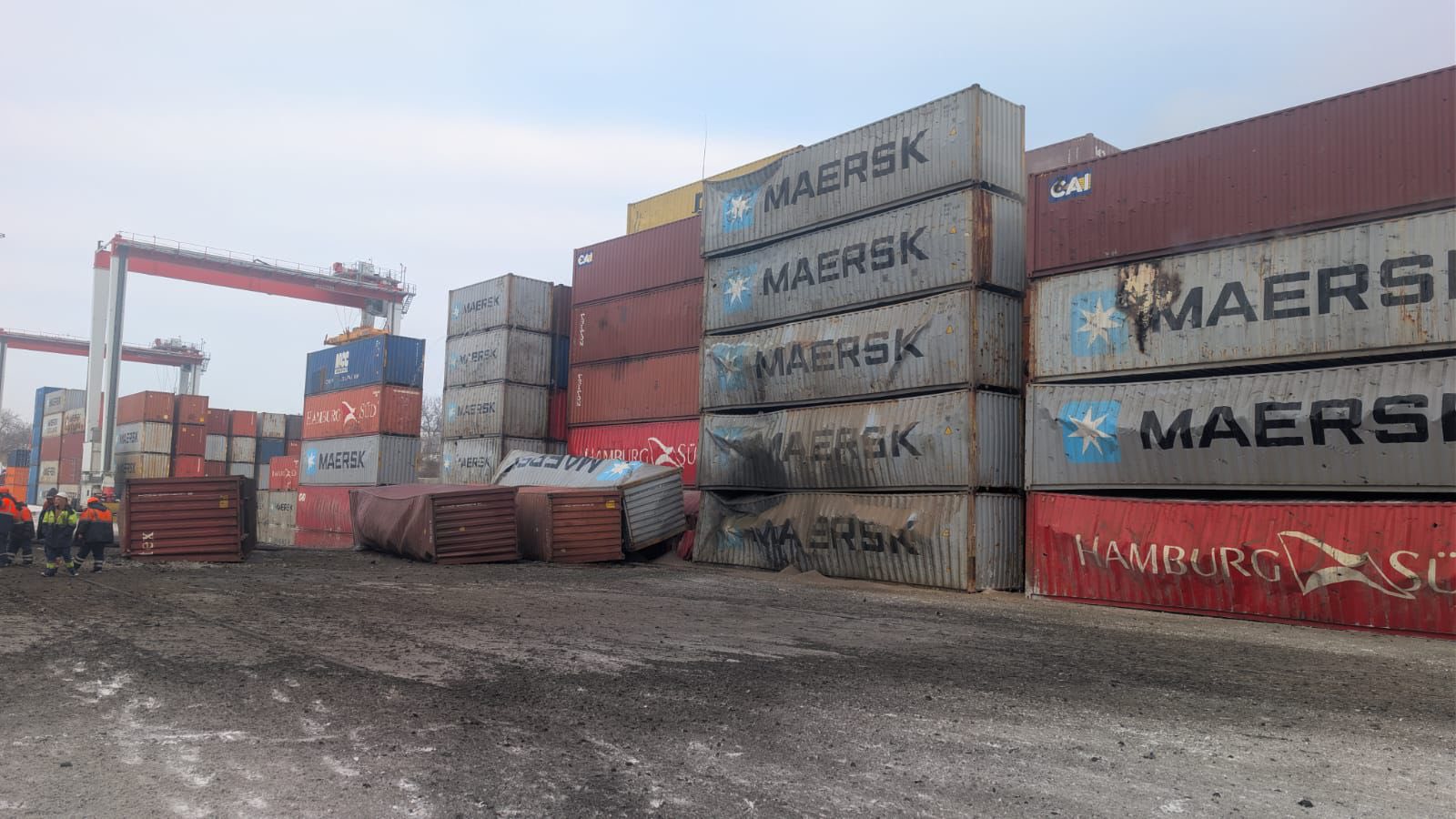
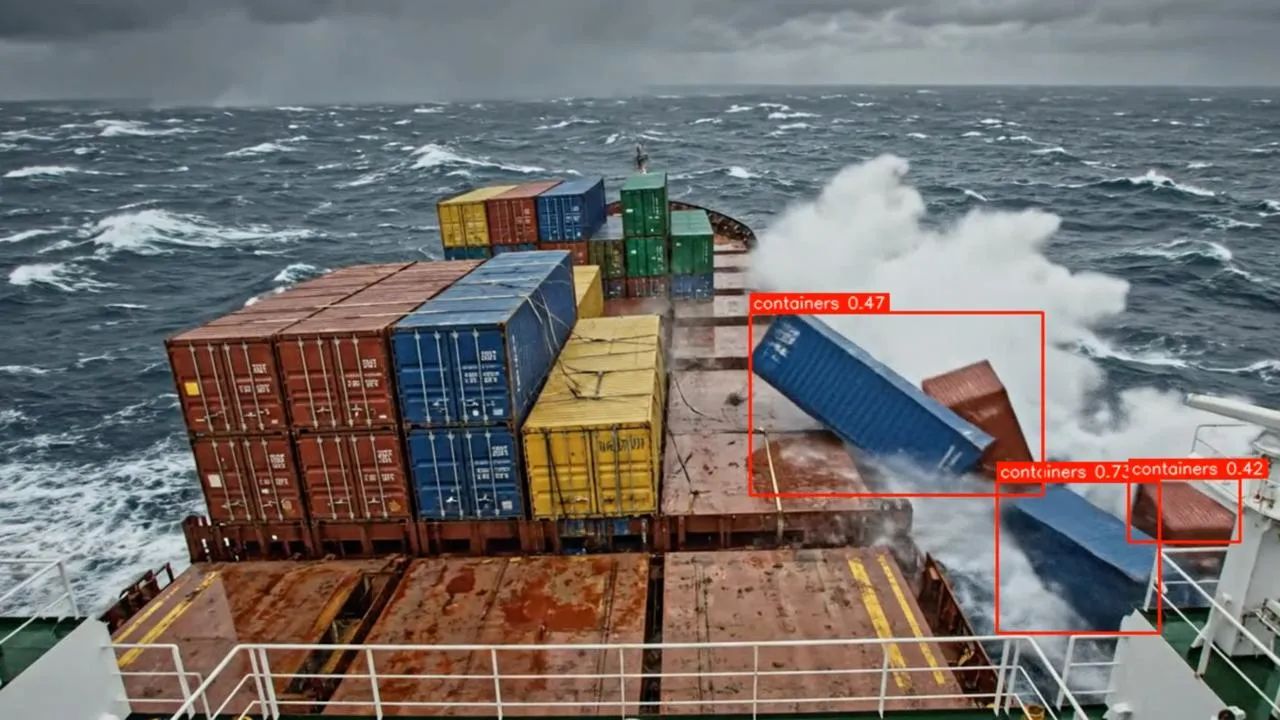
Container shipping cargo losses have seen several high-profile incidents over the last five to 10 years with the Ever Lunar losing 50 containers in August and the Baltic Clipper seeing 16 boxes wash up on UK shores in December.
Eyesea and EVI Safety Technologies unveiled their AI system for detecting container stack collapses was launched in December in time to help vessel operators to detect cargo losses and identify the numbers lost overboard. The changes are to protect the environment from harmful substances as well as protecting navigation channels.
Under the terms of the amended rules, the IMO said: “The master of every ship involved in the loss of freight container(s) [is required] to communicate the particulars of such an incident to ships in the vicinity, to the nearest coastal State, and also to the flag State which is required to report the incident to IMO.”
In addition, both container and bulk carriers, over 3,000gt built after 1 January will be required to install an electronic inclinometer that will record the vessel’s roll motion, considered to be a key factor for container stack collapses and liquefaction of cargo in bulkers.
On a regional level the EU Emissions Trading System (EU ETS) has entered a new phase with the increase in costs. Maritime was first included in the EU ETS in 2024 with shipping companies expected to surrender allowances for 40% of emissions in 2025. Calculations were made on 100% of carbon emissions for vessels operating between EU ports and 50% of emissions for ships arriving into the EU from ports outside of the EU.
On 1 January the allowances surrendered will be increased by making calculations on 70% of a vessel’s emissions. Next January that calculation will increase again to 100% of emissions and calculations will be made on methane and NOx emissions also.
“These regulatory developments are already being reflected in the market through the introduction and adjustment of ETS-related surcharges by ocean carriers. As the surrendering obligation increases and additional greenhouse gases are brought into scope, further upward pressure on costs can be expected,” according to the European freight forwarder’s association Clecat.
A number of regulatory changes have also been introduced in the labelling and carriage of certain hazardous cargoes.
Related Posts