Seatrade-Maritime: Mine clearance top priority for Hormuz safety say tanker owners
Published by Seatrade-Maritime
The independent tanker owner’s association Intertanko is urgently calling for clarity on the steps needed for safe navigation of the Strait of Hormuz following the agreement between the US and Iran to end the war between the two countries.
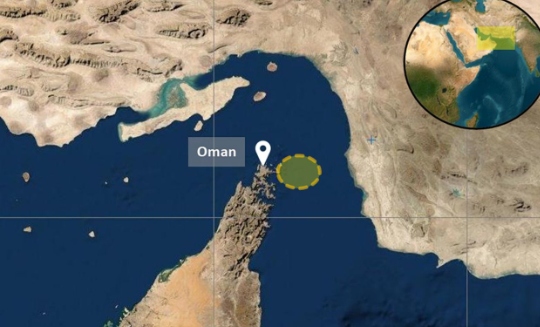
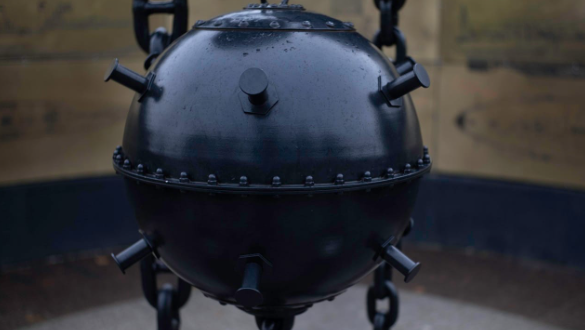
Iran previously warned it had mined the Traffic Separation Scheme (TSS) in the Strait of Hormuz leading to very limited traffic on a southern route close to Oman overseen by the US and a route authorised by the Iranians to the north of the TSS.
“First and foremost, clearing the main internationally recognised traffic separation scheme (TSS) of all mine threats must be a priority. Upon completion, a clear and unequivocal message from all Governments involved needs to be issued to the industry,” Intertanko stated.
In the interim traffic would continue to operate via the northern southern routes and shipping would need to be assured that these routes were also clear of mines and no vessels would be attacked.
“A command-and-control system should be put in place to manage the traffic during the early stages. If 550 ships are aiming to leave and a likely 60 ships per day would look to transit the Strait of Hormuz, then the existing routes are inadequate to handle this,” Intertanko said.
This would include a single point of contact for shipowners, management of transits slots, clarity on who to report to and when, the Southern routes moved offshore, the lanes widened, and a lateral separation created between the directions of flow.
The northern and southern routes would only operate for the interim period of mine clearance and then be closed with shipping reverting to the established TSS.
Despite the huge disruption that has been caused to the shipping industry Intertanko Managing Director Tim Wilkins believes much of the sector will remain very cautious in its approach.
“Without clarity on these issues, ships will be unsure whether to transit the Strait of Hormuz. Some ships will, of course, start to move. That will be natural. But shipowners have adopted a very cautious approach. The safety and security of seafarers have been uppermost in their minds, and no one wishes to jeopardise that safety-first approach when things appear to be moving in the right direction.
“We must remind all States involved that the internationally recognised TSS was introduced in 1968 to support the safe transit of internationally trading deep water vessels and to avoid the navigational risks, and so ensure safety at sea.”
Related Posts