Seatrade-Maritime: Panama Canal reduces maximum draught as El Niño concerns mount
Published by Seatrade-Maritime
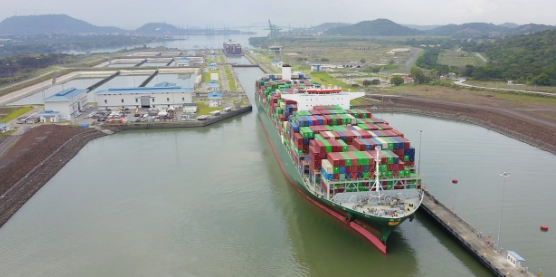
The Panama Canal Authority (ACP) has announced it will reduce the maximum authorised draught for vessels transiting its Neo-panamax locks beginning July 1, citing concerns over the potential El Niño conditions later this year.
The maximum authorised draught for Neo-panamax vessels will be reduced from 15.24m (50 ft) to 15.09m (49.5 ft) tropical fresh water (TFW), according to the ACP.
“The adjustment is based on current and projected Gatun Lake levels for the coming weeks and forms part of the Panama Canal’s operational water-management strategy,” said the ACP.
“The seasonal draught adjustment, which will not affect the number of daily transits, complements the water-saving measures implemented since December 2025. Those measures were initially introduced in preparation for the 2026 dry season and in response to the possibility that an El Niño event could develop during the second half of the year and continue into 2027, potentially affecting water availability to some extent,” it said.
The draught cut and concerns over El Niño come at time when traffic in the Panama Canal has been boosted due to the Iran war. In mid-May Bimco said that transits of the canal were up 16% in the previous 5 – 6 weeks driven by tanker demand.
As energy supplies out of the Arabian Gulf have been restricted by blockades of the Strait of Hormuz US exports from the Gulf of Mexico through the Panama Canal to both its West Coast and Asian markets have risen.
Transits were running at around 38 daily putting the waterway at close its maximum capacity of 36 – 40 transits per day. Auctions for daily transit slots have also reached a record $4 million in one case.
The ACP described the 1 July draught reduction as a “preventive measure”, and that it was commonly implemented during the dry season, and was being reinstated after approximately two consecutive years in which it was not necessary due to sufficient water availability in the lakes.
It said that the decision also considered lessons learned during the 2023–2024 water shortage and draught restrictions imposed during the historic drought of 2023-2024 that disrupted global shipping and reduced vessel traffic through the waterway and was based on an analysis of the Panama Canal’s historical measurement data.
The Panama Canal said it will monitor weather conditions and review projections weekly to more accurately assess the potential impact of El Niño and determine the actions that may need to be considered in the coming months.
Related Posts