Seatrade Maritime: Recycling yard regulations to limit container ship scrapping
As the threat of a prolonged period of overcapacity hangs over container shipping, a rebalancing is expected to take place through demolition, but scrapyard capacity has been cut through regulation.
The Hong Kong Convention (HKC), which governs the demolition of ships was adopted by the IMO in May 2009, 16 years later in June last year, it came into force with the promise of safer and cleaner operations.
The EU, however, does not recognise ship breaking yards that land ships on a beach and dismantle on the shore, because of the danger to both workers and the environment. And as a result the EU is looking at unilaterally strengthening the HKC this year.
Meanwhile, Drewry reported last week that just 6,000 teu had been scrapped in total in 2025, for its part, Alphaliner calculated 8,172 teu, and said it was the lowest level of demolition, 12 units in total, for the last 20 years.
Drewry anticipates a substantial increase in scrapping this year, to more than 400,000 teu rising to over 700,000 teu in subsequent years.
Alphaliner argues that the return to the shorter Suez route from Asia could be a catalyst for increased vessel recycling: “With the substantial release of tonnage and cascading that the shorter teu-mile distances will create, freight and charter rates could come under significant pressure, leading shipowners to consider scrapping some of their older tonnage.”
A recent age analysis of the container fleet by consultant MDS Transmodal noted that the larger vessel sizes, above 10,000 teu will expand by between 50-100% by 2030, with few opportunities to scrap these newer vessels.
“Sub-5,000 teu vessels are ageing rapidly — more than 60% are over 25 years old — and few replacements are on order. By 2030, the global fleet below 2,500 teu could contract by 40–80%,” said MDS Transmodal analyst Antonella Teodoro.
MDS Transmodal calculated that by 2030 the number of container vessels over 25 will be 3,450, of which 2050 are operated by the top 10 carriers. If all ships over 25 were to be scrapped up to 2030 there would be a cull of around 11 million teu, even if half that number were to be recycled more than 1million teu would need to be demolished every year.
According to Alphaliner 2016 saw the most ship recycling, in the last 20 years, reaching 655,000 teu, and that was nearly ten years before the enforcement of the Hong Kong Convention.
Since then, the HKC has come into force with a requirement that each ship carries an inventory of the hazardous materials built into the vessel and an owner is required to send vessel for recycling to approved yards.
The EU, however, has identified loopholes in the HKC, in particular the re-flagging of vessels at the end of their operational life to a non-EU flag to allow an owner to use non-EU approved yards.
In a bid to strengthen the EU’s Ship Recycling Regulation (SRR) there is a proposal to make owners responsible for safe recycling, irrespective of the flag the vessel flies, while also introducing tougher penalties and the Commission is exploring a potential “ship recycling license” that will bridge the price gap between EU-listed yards and cheaper facilities in South Asia.
Moreover, the EU does not recognise many of the ship breaking yards in the Subcontinent as meeting environmental standards and safety standards, maintaining its own list of approved yards. The 15th update of the EU-approved yards was released in December.
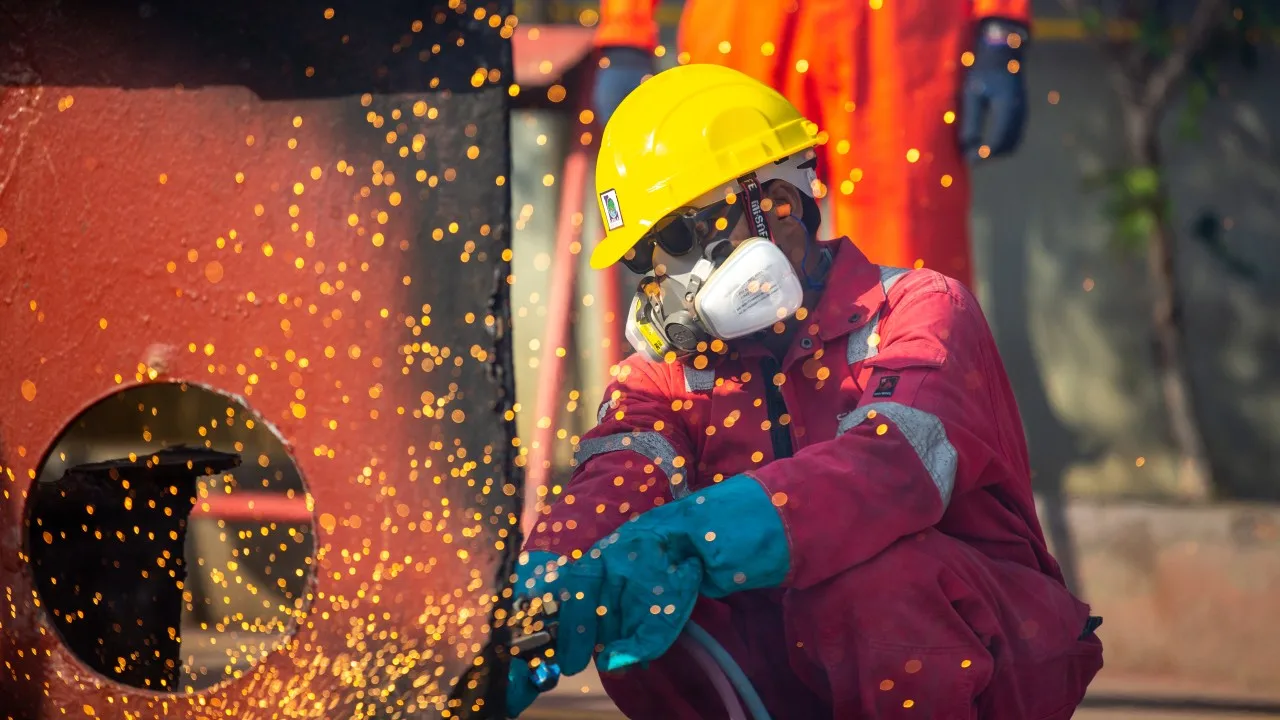
The main objection to yards that are not part of the EU’s approved list is that they beach vessels and break them up on the shore, causing ocean pollution and raising safety issues for the workforce.
It is thought that the EU will bring forward further regulation that it believes will bolster the HKC in the first quarter of this year.
The EU’s position, “Considerably limits demolition options for owners of EU flagged vessels, a concern for the boom in scrapping sales expected to take place within the next couple of years,” Alphaliner pointed out.
Clearly environmental regulation increases the cost of recycling but Ingvild Jenssen – executive director and founder of NGO Shipbreaking Platform supports the EU’s stance on this issue, pointing out that there would be a double-standard if the EU approved yards in third countries that would not be able to operate in Europe.
Moreover, Jenssen points out: “Beaching – the current method used by Indian yards – does not provide full containment of pollutants; it is not allowed in the EU, explicitly banned in China and the UAE, and has even been identified as a method that needs to be replaced by drydocks by the Indian government in its Maritime India Vision 2030.”
Related Posts