Seatrade-Maritime: Shipowners fear fuel shortages if Iran war continues
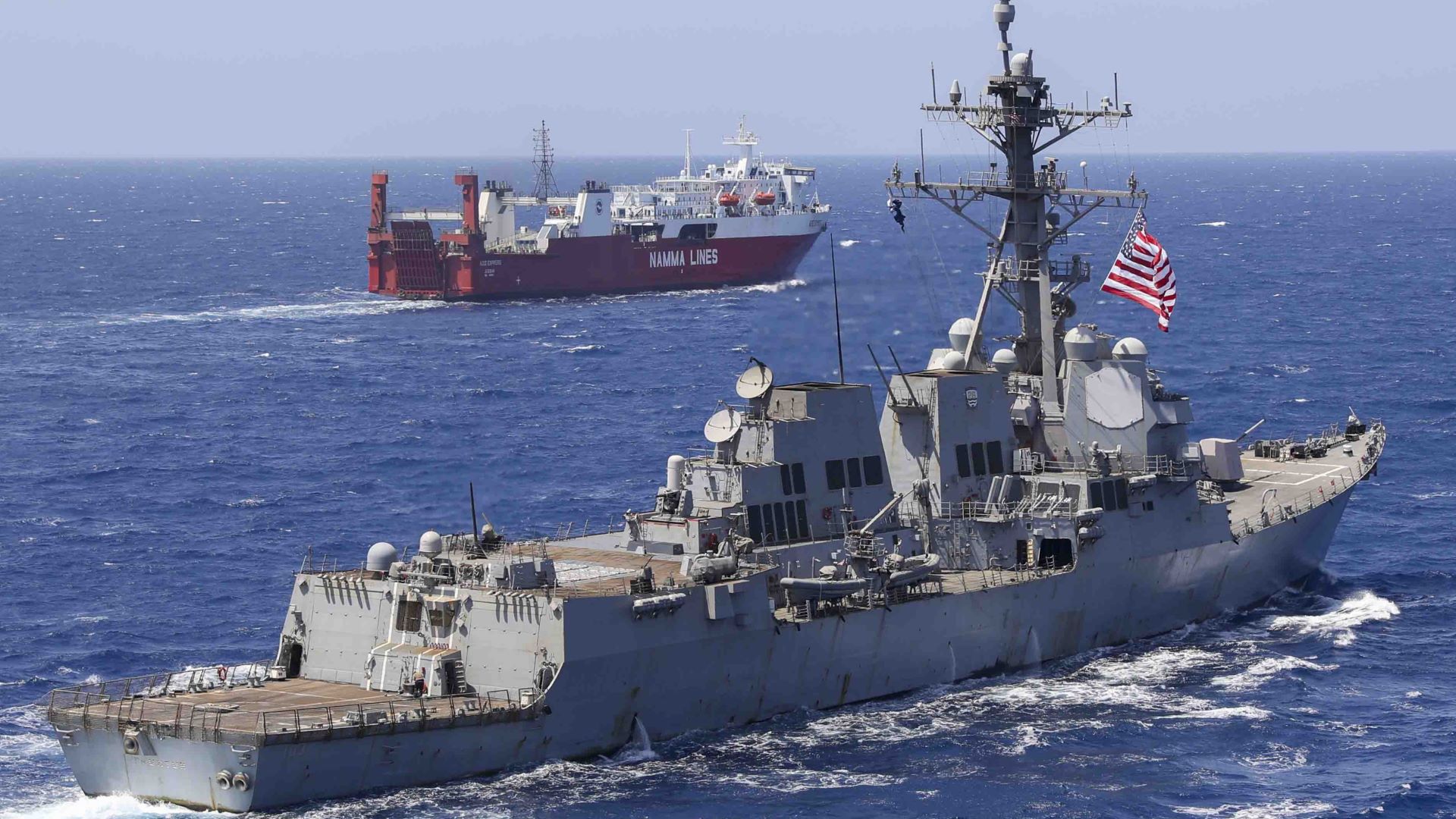
The closure of the Strait of Hormuz to all but a few ships is causing concern among shipowners that bunker fuel could be in short supply if the conflict continues.
Bunker fuel prices are already around double the level in late February just before the conflict in the Middle East started but with 20% of the world’s crude oil coming from the Gulf region and transiting the Strait of Hormuz price is not the only issue.
SK Lim Managing Director Pacific for G2 Ocean commented that on 27 February, the day before war broke out in Iran, the bunker price was $525 per tonne for VLSFO in Singapore and had risen to over $1,100 per tonne in this week. The pull back of the US threat to bomb Iranian power infrastructure has had a positive impact though and according to Ship & Bunker VLSFO in Singapore stands at $894.50 per tonne having fallen $91.50 on Tuesday.
“I think the concern for us is the availability of bunkering. The longer the Strait of Hormuz is closed, which is not closed – if you dare you can go through, but the longer this persists the thought of having fuel shortages is quite scary,” Lim said during a panel at Asia Pacific Maritime in Singapore.
His comments were echoed by fellow panellist Ben Pike, Chief Operating Officer at Swire Shipping, who said like everyone else they were looking at what was happening with bunkers. “Will the supply of bunkers be there in four weeks, six weeks, or eight weeks? What are we going to do if it’s not?”
Ang Wee Keong, Chief Executive of the Maritime & Port Authority of Singapore (MPA), said, “there is an adequate bunker supply to meet the industry’s demand”. Singapore is the world’s largest refuelling port selling 57.66 million tonnes of bunkers in 2025.
Shipowners do not report experiencing bunker shortages yet but are keeping a close eye on the situation and one senior executive noted their company was securing fuel 30 days out rather than 10 days as it would do normally to ensure supplies.
Intertanko is understood to be advising its members to prepared to document if they are unable to buy fuel that is compliant with the 0.5% sulphur cap. Some countries in Asia are already feeling the impact and the Philippines which imports 98% of its fuel from the Gulf has declared a state of national energy emergency.
In some potential good news Iran has stated the Strait of Hormuz remains open to maritime traffic, however vessels belonging to the US or Israel, “as well as other participants in the aggression do not qualify for innocent or non-hostile passage”.
There has been an increase in transits of the Strait in recent days with ships from countries not linked to the conflict such as China, Thailand, and India. Iran is reportedly charging a fee of up to $2 million for safe transit.
Related Posts