Seatrade Maritime: Shipping awaits details of US support in the Middle East
An announcement of US support for commercial shipping to reduce the economic fallout from military action in the Middle East was met with mixed reactions as the industry awaits further details of the initiatives.
US President Donald Trump announced on his Truth Social platform that he had “ordered the United States Development Finance Corporation (DFC) to provide, at a very reasonable price, political risk insurance and guarantees for the Financial Security of ALL Maritime Trade, especially Energy, traveling through the Gulf.”
The President’s focus on insurance comes as many P&I clubs have withdrawn war risk products in the Arabian gulf. Regions of peril have been added or extended across the Middle East, meaning additional premiums will need to be paid for voyages through more areas.
Bimco chief safety & security officer, Jakob Larsen, said the insurance offer will need to be explained in full and that “Depending on the details of the proposal it might help tip the risk/reward ratio and stimulate more shipowners to resume operations in the high-threat area.”
Even in the event that substantial insurance savings can be made, there are no guarantees that shipowners and operators will be willing to return to what is effectively an active war zone.
Trump went on to say in his social media post that “If necessary, the United States Navy will begin escorting tankers through the Strait of Hormuz, as soon as possible.”
An ex-US Navy source commented escorts would not be possible at the moment as the US Navy is engaged in naval combat.
Larsen said: “Naval escorts would help reduce the threat for the ships being protected. That said, providing protection for all tankers operating in areas currently threatened by Iran is unrealistic as this would require a very high number of warships and other military assets.”
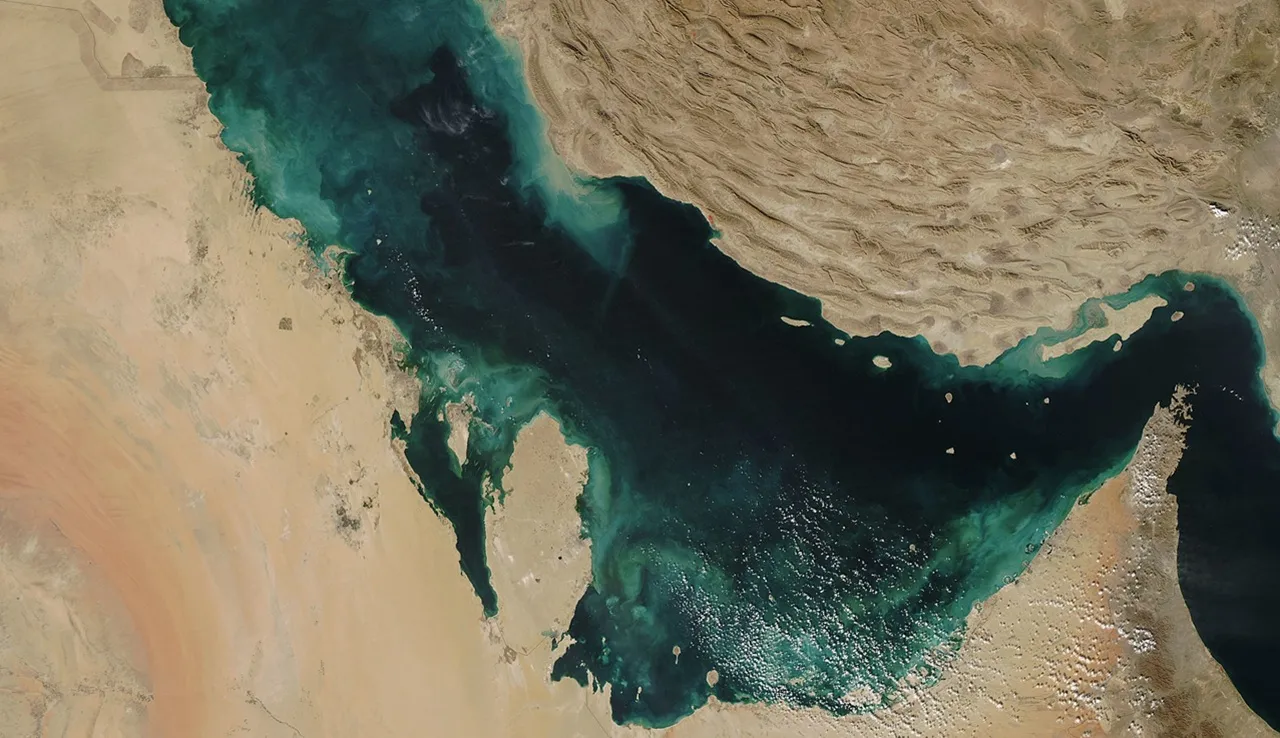
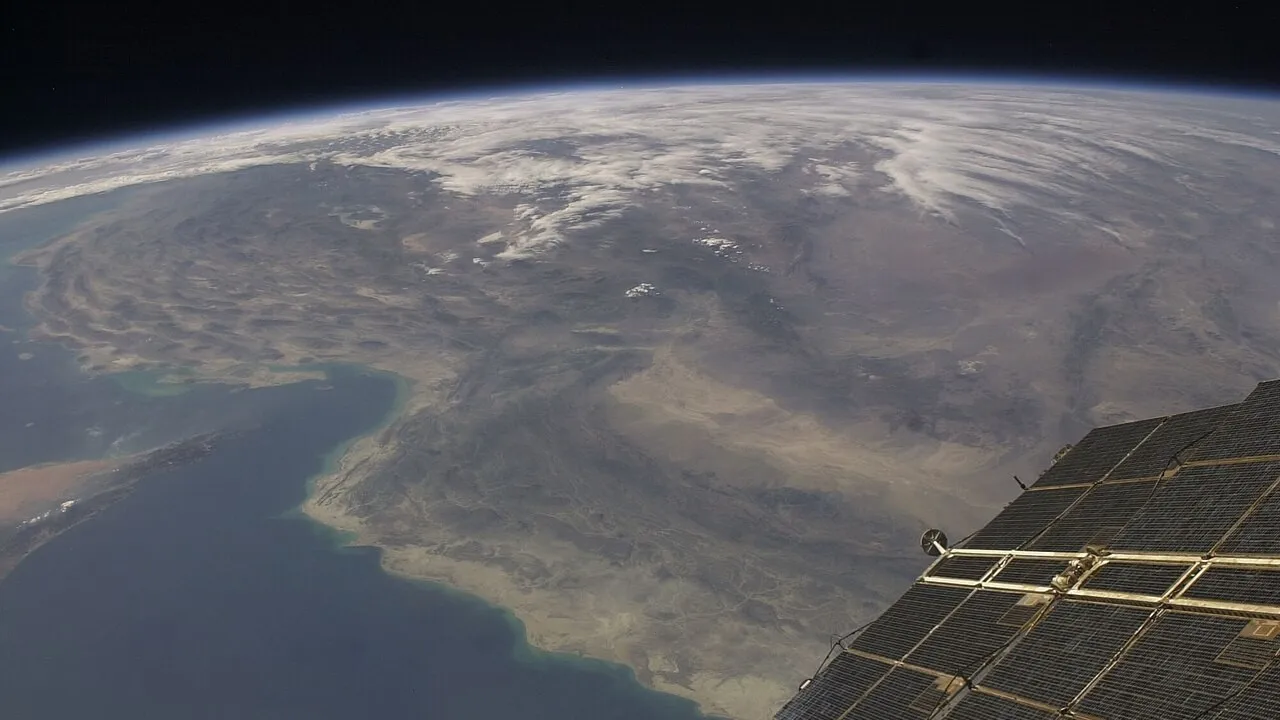
The Strait of Hormuz is a narrow chokepoint for world trade, which Iran has unilaterally declared closed to shipping, leading to a drop in traffic of around 90% since hostilities began on 28 February. The Strait is a focal point for shipping risk on Iran’s coast, but Iran has proven its threat extends well beyond the narrow waterway. Should a US Naval escort accompany vessels through the Strait, ships would still be at risk during loading and unloading at berth in the region. Iran has targeted oil production and logistics infrastructure with drone and missile strikes in recent days, and even the US military’s own logistics assets have been targeted. Stena Imperative, a US-flagged tanker working for the US Maritime Administration’s (MARAD) Tanker Security Program, was struck by two missiles on 2 March while at the Port of Bahrain.
“At some future point, if the Iranian threat has been degraded significantly, the relative effect of naval escorts will improve. This might push the security risk below the risk acceptance level of some shipowners and cause some ships to resume operations in the high-threat area,” said Bimco.
Related Posts