Seatrade Maritime: Shipping lines reroute from Red Sea avoiding Houthi threat
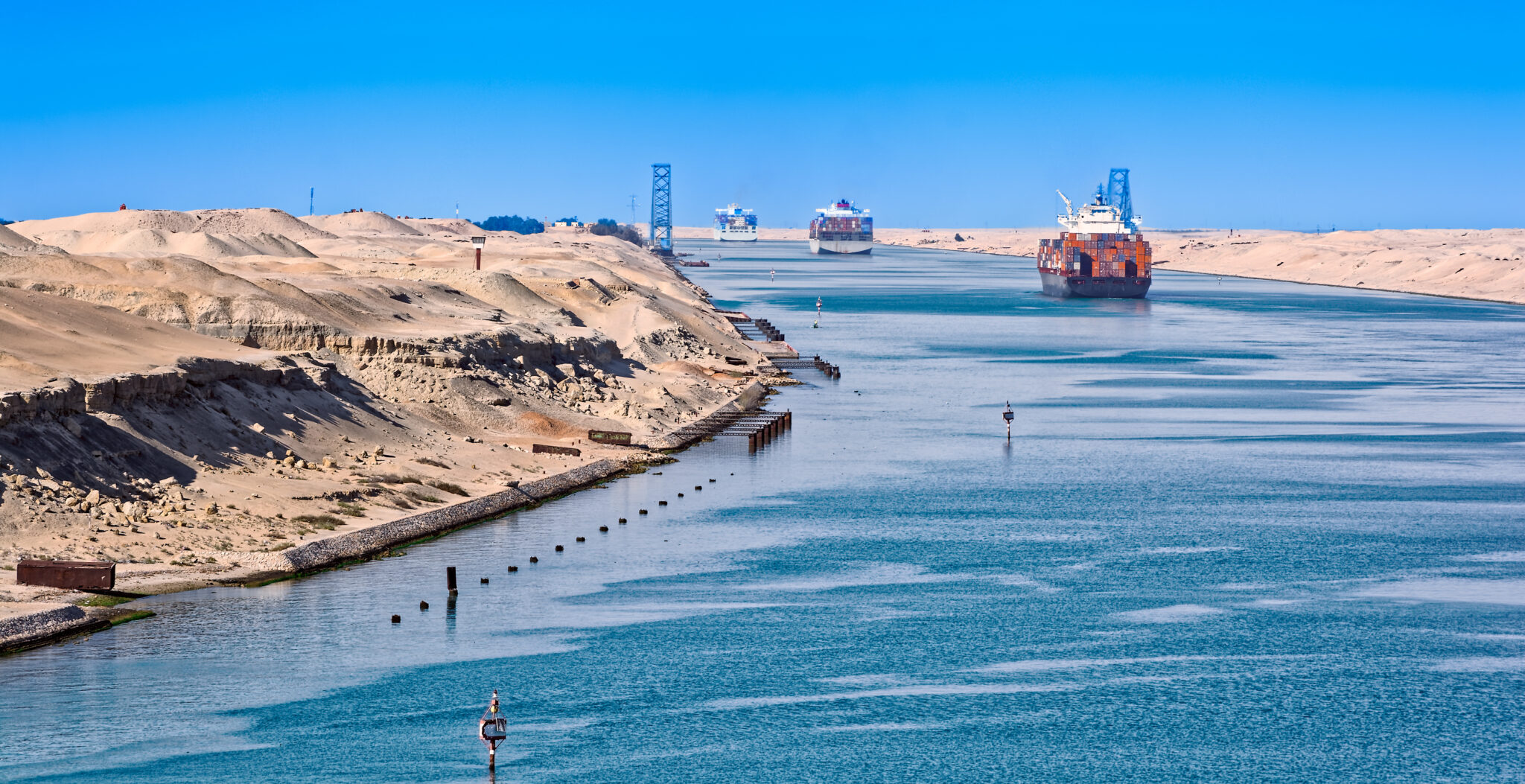
Container shipping lines have been forced into abandoning moves to return to the shorter Red Sea/Suez Canal route as fighting between Iranian, Israeli and US forces escalated over the weekend.
Although there has been no official word of a resumption of Houthi attacks on commercial shipping, it has been reported that commanders had ordered the strait to be closed to shipping as Iran took similar action in the Strait of Hormuz.
“The repercussions of the joint military operation by the US and Israel against Iran and subsequent retaliatory action will see the further weaponization of trade and shatter hopes of a largescale return of container shipping to the Red Sea in 2026,” commented Peter Sand, chief analyst at Xeneta.
Sand’s comments were swiftly followed by the Gemini Cooperation who confirmed the reversal of its recent decision to re-route its ME11/IMX service from India to the Mediterranean via Suez. Maersk had also planned to re-route its MECL service, operating from India, Middle East and US East Coast, via Suez, but has also cancelled these plans.
“Due to the deteriorating security situation in the Middle East region following the escalating military conflict, we have decided – in close coordination with our security partners – to pause future Trans Suez sailings through the Bab el-Mandeb Strait for the time being,” said a Maersk statement.
Hapag-Lloyd, Maersk’s partner on the ME11/IMX service, said, “Due to the deteriorating security situation in the Middle East region following the escalating military conflict, we have decided – in close coordination with our security partners – to pause future Trans-Suez sailings through the Bab el-Mandeb Strait for the time being.”
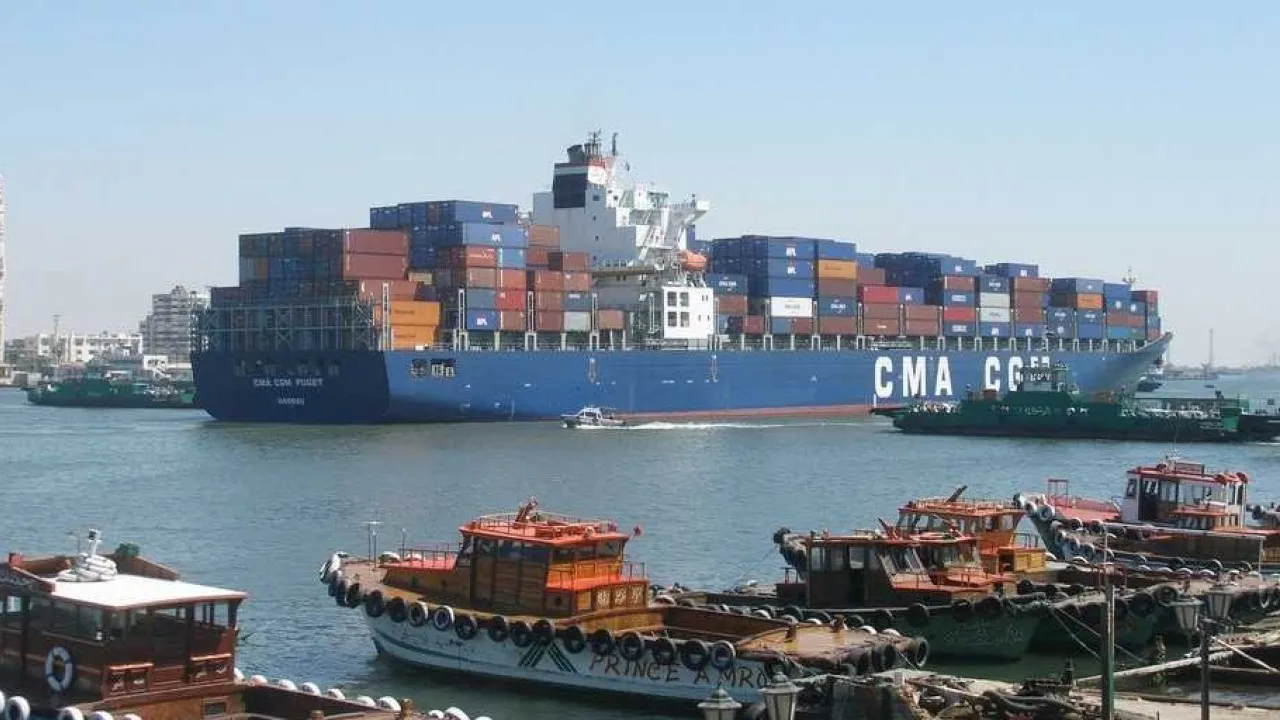
CMA CGM made a similar statement, “Considering the evolving security situation in the Middle East and the restrictions on maritime traffic through the Strait of Hormuz, CMA CGM reiterates that the safety and security of its crew remain its foremost priority.”
The French carrier has instructed all its vessels within the Gulf and those that were heading to the Gulf to “proceed to shelter”. In addition, all services via Suez have been suspended and re-routed via the Cape of Good Hope.
The world’s biggest liner shipping company, MSC, has issued similar instructions to its masters in the region, avoiding both the Bab el-Mandeb and the Strait of Hormuz, and has temporarily paused all bookings for the Middle East region.
“Customers will be informed as soon as further details become available, including any potential alternative discharge ports should additional operational adjustments be required,” said MSC.
Shippers had anticipated a large-scale return to the Suez Canal route which would have released around 2.5 million teu into an already over-supplied market, serving to heap even more pressure on declining spot freight rates.
“With a largescale return of container ships to Red Sea in 2026 now unlikely, freight rates on major global trades will continue to soften, but will not fall as hard as previously expected in the second half of the year as more services returned to Suez Canal transits,” said Sand.
Gulf ports are, however, trapped by their geography and will hope that the navigational restrictions will not be prolonged.
MDS Transmodal analyst Antonella Teodoro noted: “A simultaneous closure [of the Bab el-Mendab and Hormuz Straits] alongside the Red Sea crisis will compound supply chain risks, isolate Gulf ports and force carriers to reroute or suspend services. This would expose the region’s reliance on a narrow set of maritime corridors for both exports and essential imports, highlighting the fragility of its port-centric economic model.”
Related Posts