Seatrade-Maritime: Tankers and container ships u-turn at Strait of Hormuz
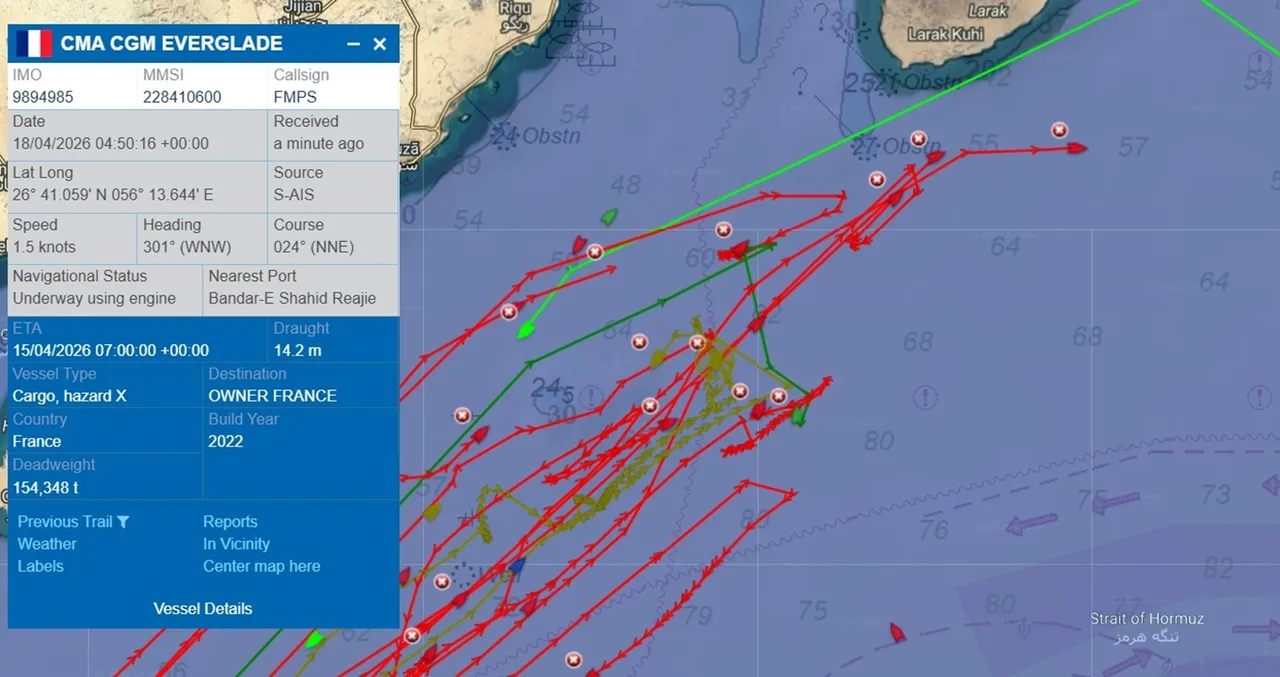
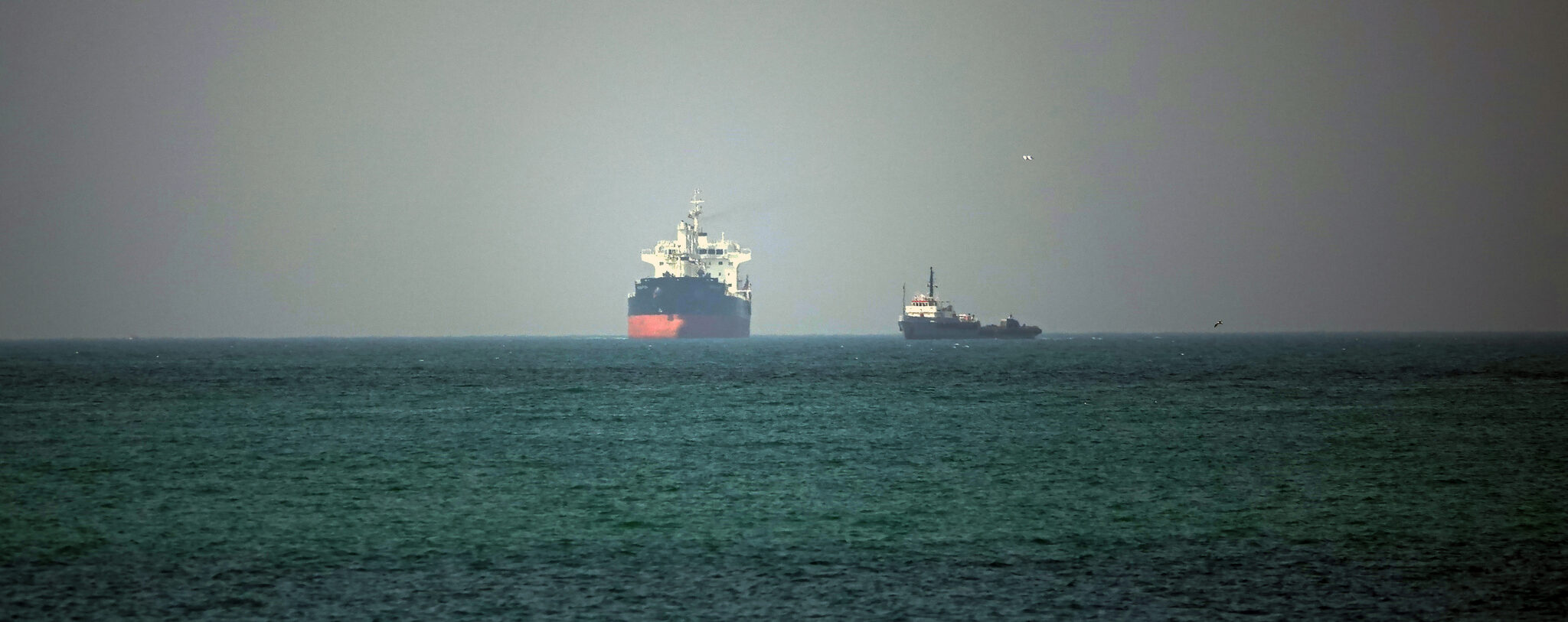
Following the announcement on 17 April by Iran and US President Trump that the Strait of Hormuz was fully open to commercial vessels a growing number of tankers and container ships are attempting to exit the Arabian Gulf, however many are u-turning or stopping as they approach Iranian waters before Larak Island.
AIS tracking data from Pole Star Global showed at least seven vessels that had turned around to prior to a westbound transit as of 04:30 hrs UTC. Among the vessels either u-turned of circling were the CMA CGM container ships CMA CGM Manaus flagged with India, and the French-registered CMA CGM Everglade.
The Indian-registered tankers Aframax Desh Suraksha and VLCC Sanmar Herald both u-turned, as well as the Indian-flagged bulker Jag Arnav. The Panama-flagged tanker Seaway and the Vietnamese-flagged tanker NV Aquamarine both u-turned and then headed back towards the Strait, the latter close to making a transit at time of writing.
It is not clear why vessels have u-turned and whether they have been warned against transiting the Strait or are awaiting for Iranian approval to cross.
Three tankers the Panama-flagged Torin, the Guinea-flagged Raine, and Angolan-flagged Gardian appeared to be in the progress of transits of the Strait of Hormuz and growing number of other are sailing towards the waterway.
Speaker of the Iranian Parliament Mohammad Bagher Ghalibaf posted on X that passage of the Strait of Hormuz would be conducted based on the “designated route” and with “Iranian authorisation”. The designated route is to the north of the usual Traffic Separation Scheme (TSS) which it has previously said was mined.
Ghalibaf also said that if the US blockade of Iran ports continued the Strait of Hormuz would not remain open.
Many in the industry remain wary of attempting to transit the Strait. Shipping industry representative body Bimco described the statement by US President Trump that the Strait was fully open as “inaccurate” and warned the shipping route was possibly mined.
“The status of mine threats in the Traffic Separation Scheme is unclear and Bimco believes shipping companies should consider avoiding the area. This means that the TSS is not declared safe for transit at this point,” said Jakob Larsen, Bimco Chief Safety & Security Officer.
International Chamber of Shipping ICS Secretary General Thomas A. Kazakos, commented in a statement, “While this announcement is a positive step there is still much uncertainty around what it means in practice. Regardless it is essential that it marks the beginning of a broader and more durable return, beyond the current ceasefire, to freedom of navigation in one of the world’s most critical maritime corridors.”
While container line CMA CGM could be seen u-turning from attempted transits on 18 April fellow line Maersk was more cautious.
Maersk said in an operational updated dated 17 April that it had noted the announcement on the Strait being open. “The safety of our crew, vessels and customers’ cargo remains our priority. Since the outbreak of the conflict, we have followed the guidance of our security partners in the region, and the recommendation so far has been to avoid transiting the Strait of Hormuz. Any decision to transit the strait will be based on risk assessments and close monitoring of the security situation, with the latest developments also included in the ongoing assessments”
Related Posts