Seatrade-Maritime: US facing countdown on Chinese maritime fees

Published by Seatrade-Maritime
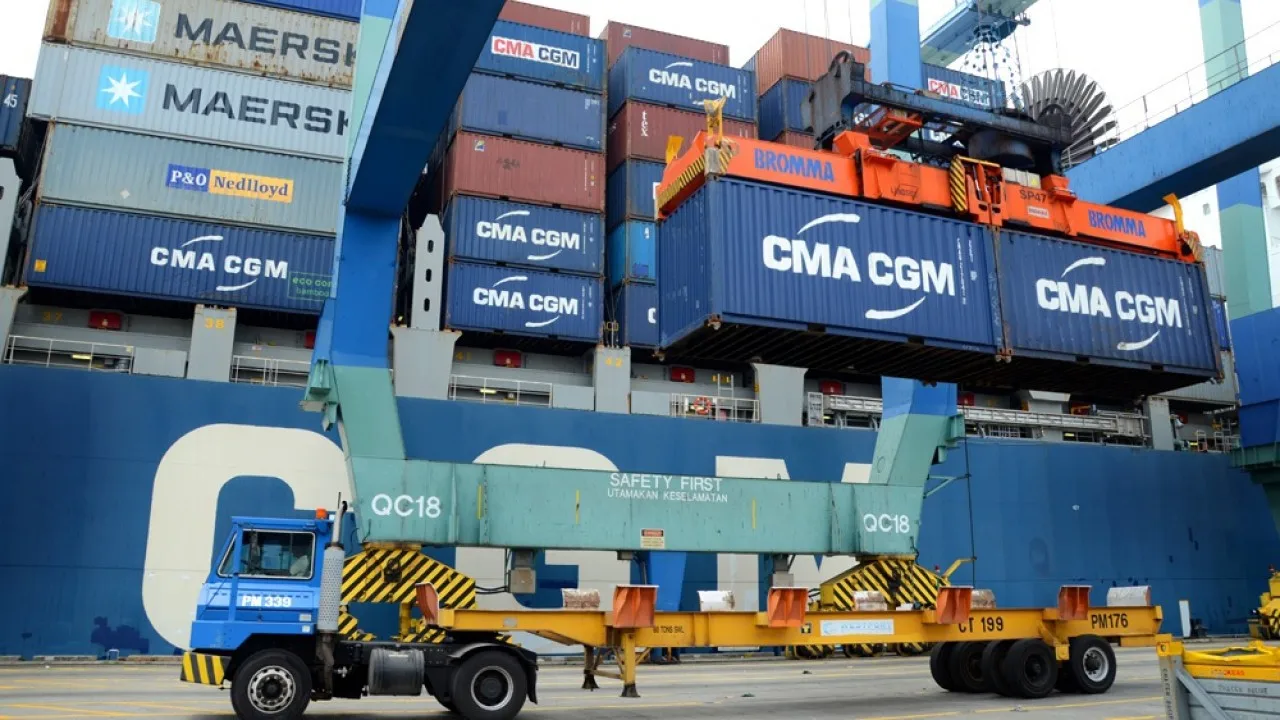
The US Trade Representative (USTR) is on a ticking clock to determine the ultimate fate of its suspended Chinese vessel fees and port tariffs, caught between conflicting industry demands and a shifting political landscape following the Democrats’ midterm victory in Congress.
While an official announcement in late October granted a brief two-month extension until January 10, 2027, a USTR summary of roughly 60 public comments reveals a sharp policy divide on whether to continue a year-long suspension of the fees.
On one side, a broad coalition of shippers, ocean carriers, and agricultural exporters is lobbying aggressively for permanent relief, arguing that allowing the two-month suspension to expire without a permanent cancellation would trigger severe commercial disruptions, escalate ocean freight rates, and harm US exports.
“The port fees imposed on ships calling at US ports by USTR on 14 October 2025 (and subsequently by China as countermeasures on US-linked ships) posed significant challenges and disruptions for the US economy and consumers, as well as for the global shipping industry and global trade,” asserted European Community Shipowners’ Association (ECSA) Secretary General Sotiris Raptis, whose membership represents roughly 35% of the global commercial shipping fleet.
“We hope that this further proposed suspension will, in due course, pursuant to negotiations, evolve into a permanent agreement between the US and China.”
On the other side conversely, domestic maritime and manufacturing groups are pressing the administration to end the pause, asserting that continuing to suspend the action strips away vital incentives needed to rebuild American commercial shipbuilding capacity and counter China’s dominance across maritime and logistics sectors.
Several commenters urged the USTR to uncouple tariffs on ship-to-shore cranes and cargo-handling equipment from general maritime service fees, allowing equipment tariffs to proceed independently.
“Extending the suspension through January 9, 2027, would prolong uncertainty for shipyards, suppliers, carriers, workers, and investors and further delay the market signal the responsive actions were designed to provide,” asserted Scott Paul, president of the Alliance for American Manufacturing.
“At a minimum, further suspension should not be granted absent specific, enforceable, and verifiable commitments and actions that address the acts, policies, and practices documented in USTR’s investigation.”
Adding complexity to the January decision is the shifting political reality on Capitol Hill following the midterm elections. The takeover of Congress by Democrats has introduced new pressure on trade policy as such lawmakers – historically skeptical of broad, aggressive tariff regimes – may push to end punitive trade actions.
The administration has to decide before 10 January whether to cancel the fees, grant another short-term extension, or reinstate fees and tariffs that could potentially disrupt transpacific shipping.
In the meantime, according to the USTR, the US “will continue discussions with China to address the acts, policies, and practices at issue in this investigation and take actions to expand domestic commercial shipbuilding capacity, build a resilient workforce, and continue to partner with key allies to increase US shipbuilding capacity.”
Related Posts