Seatrade Maritime: US mainland – Hawaii trades: Jones Act alive and well
The dismissal of a case against the Jones Act by a Hawaii rum manufacturer has important implications for US maritime transport.
During 2025, the tumultuous first year of Trump 2.0, the administration turned its sights onto a Washington, D.C District Court Judge, James Boasberg, who was lambasted by Republicans because of rulings dealing with deportations of persons allegedly illegally in the States. The issue received wide coverage on media throughout the States in the early months of Trump’s second term.
A late January 2026 ruling by the same Judge, not covered in the mainstream media, concerned The Jones Act, and has important implications for maritime transport in the States. Boasberg issued a “Motion to Dismiss” in response to an action where a Hawaii based beverage producer, Kōloa Rum, seeking to prevent enforcement of the Jones Act.
The Jones Act, dating back to the Merchant Marine Act of 1920 is applicable to trade between US ports including routes linking Hawaii to the US West, Gulf and East Coasts. It sets the requirements that vessels in intra-US trades must be built in US yards, registered in the US and crewed by US mariners.
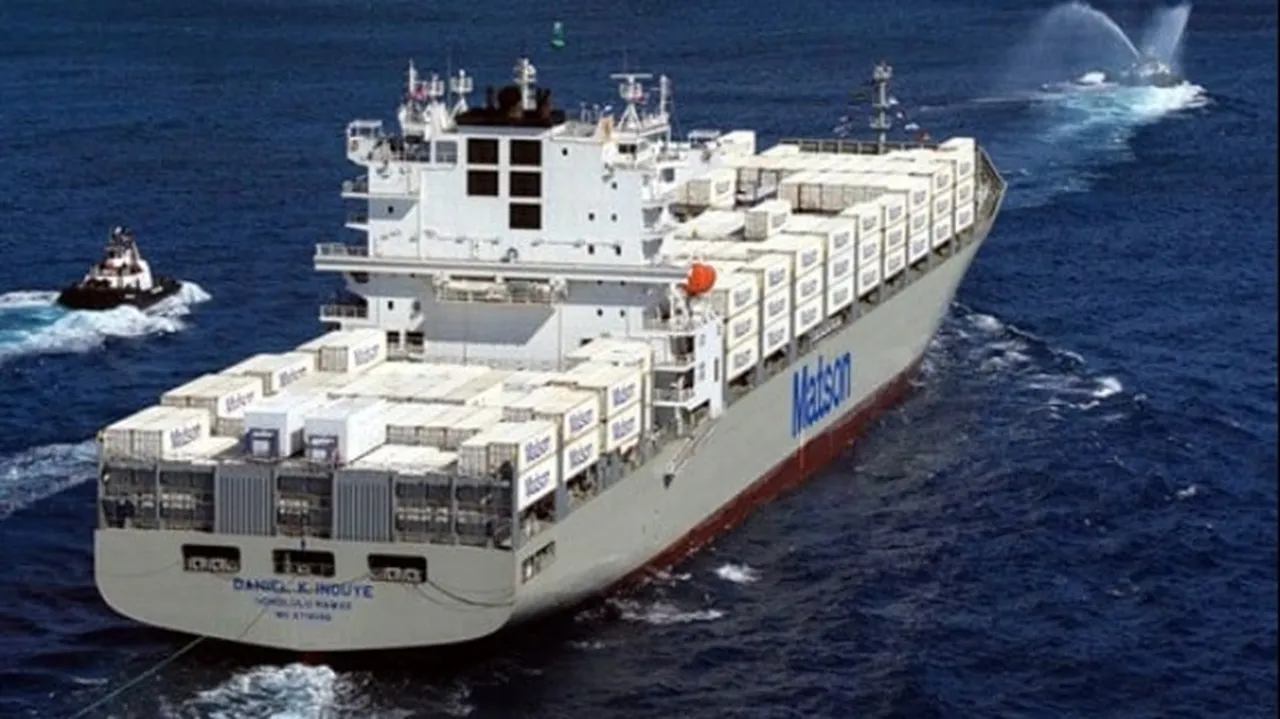
The action was filed in early 2025 against the US Secretary of Homeland Security and the Acting Commissioner of Customs and Border Protection. The rum maker’s legal action filed by the Pacific Legal Foundation, a “public interest law firm” with a tagline “Suing the government since 1973”, also named Matson Navigation, a leading carrier between Hawaii and the US mainland, as a defendant.
Two other entities, American Maritime Partnership (AMP) a coalition representing US carriers, shipbuilding and repair yards, along with others; and the Maritime Trades Department of the AFL-CIO, representing labor interests, acted as intervenors in the successful “Motion to Dismiss”- joining the US government and Matson.
Jennifer Carpenter, well known for her role leading the American Waterway Operators, active in the inland and coastwise tug sectors, and also now serving as President as AMP, commented, following Judge Boasberg’s decision: “We commend the Trump Administration for vigorously defending the Jones Act in court and defending the men and women who serve America’s national security, homeland security and economic security…The Jones Act is foundational to our nation, and we thank the Court for its thoughtful analysis of the history of the law. This decision reaffirms not only the constitutionality but also the critical importance of the Jones Act to every American.”
Maritime law expert Charlie Papavizas, Partner at maritime legal powerhouse Winston and Strawn, who literally wrote the book on the Jones Act- with his “Journey to the Jones Act” published last year, commented in a blog following the Judge’s pronouncement: “Judge Boesberg concluded that the Jones Act was not a “scheme to disadvantage Hawaii” but rather a law that furthered established United States commercial and national security interests stretching back to 1789.”
Judge Boasberg’s legal opinion is highly nuanced and full of historical narratives going back to the early 1900s, with an important focus (among other legal discussions) on the rum-maker’s contention that the Jones Act discriminates against Hawaii.
The Judge opines that: “Ultimately though, legislative record reveals that Congress enacted the legislation to advance American shipbuilding, employment, and national security, not to discriminate against particular ports. The wisps of legislative history Plaintiff identifies are insufficient to overcome the Act’s express purpose and its place within a longstanding regulatory tradition.”
Source: the opinion of Judge Boasberg in the Kōloa Rum matter, Jan. 2026
Related Posts