Seatrade-Maritime: War adds to US supply chain uncertainty, impact not drastic yet
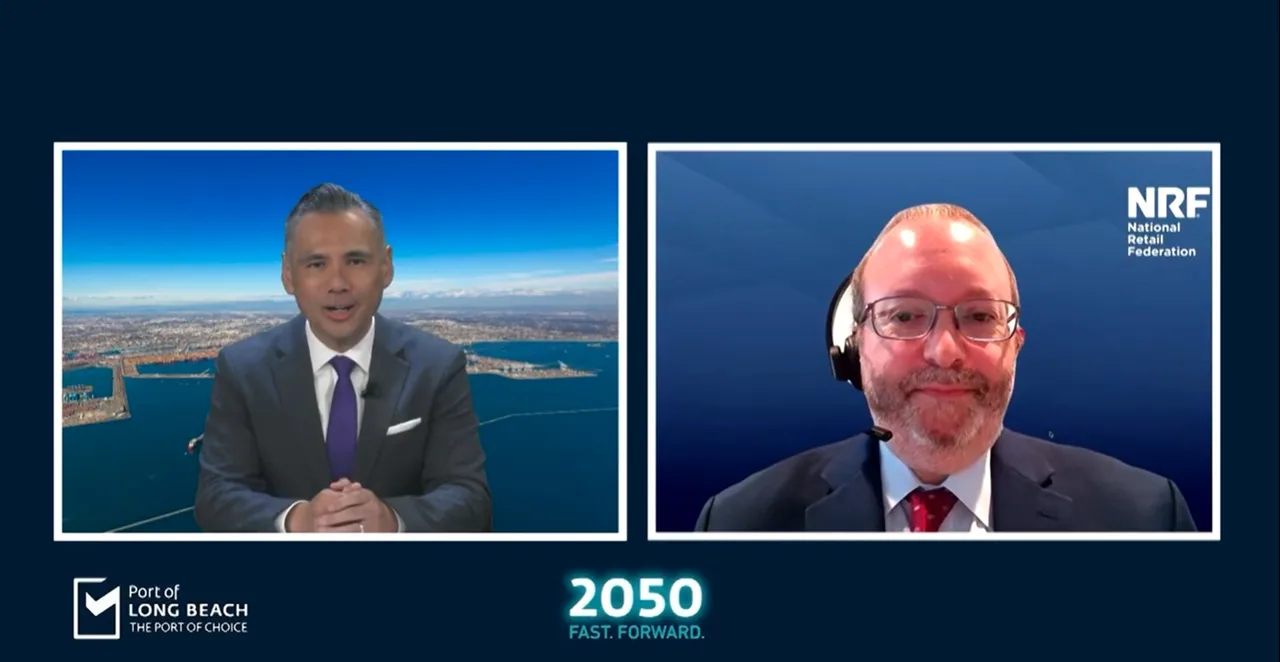
That was the word from the POLB, in its latest Supply Chain Insights webinar, which featured a discussion between Dr. Noel Hacegaba, the port’s CEO, and Jonathan Gold, a top executive at the US’ National Retail Federation (NRF).
“The war in the Mideast continues to add uncertainties to global supply chains,” Hacegaba said. “When ships are being re-routed to avoid conflict zones, it sets off a chain reaction. Cargoes have to move differently- costs go up. Ultimately consumers will feel it.” He cited recent data that shows near-term highs in inflation, led by fuel prices “that’s why we are seeing growing concern from consumers”.
Changes may be afoot, Hacegaba continued, with a mention of surcharges now being imposed by ocean carriers. “For a while, shippers absorbed rising costs- but that’s no longer the case. Today, those costs are being passed along.”
Speaking about various surcharges being proposed by the carriers in “negotiation season”, NRF’s Gold expressed gratitude to the Federal Maritime Commission (FMC) for pushing back on certain surcharges that carriers had been seeking. “We agree that importers and cargo owners need clear information on the scope and purpose of any new surcharges…and [we] encourage the FMC to evaluate those potential surcharges that carriers are looking to implement.”
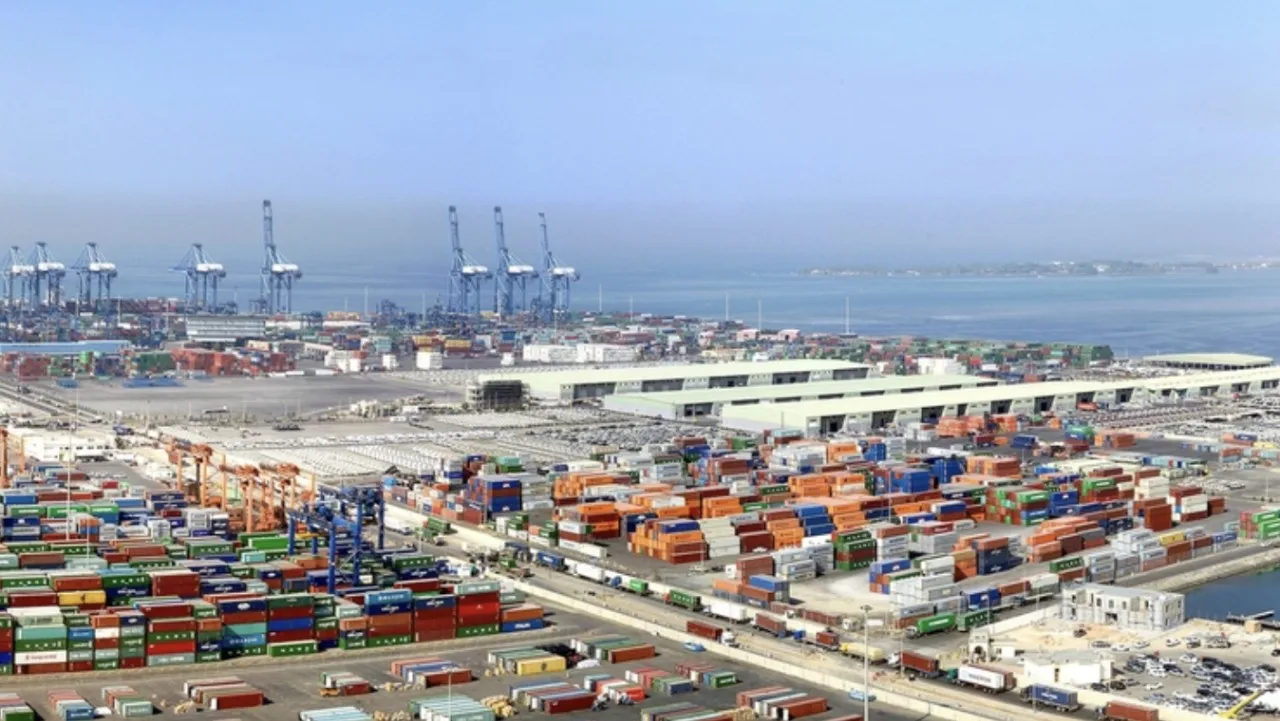
The impact could be seen in the just finished Q1 of 2026 and while the POLB had the leading throughput of US ports, with movements of nearly 2.5 million teu this number was down around 7% from the same period in the prior year.
But it is not the impact of the conflict in the Middle East that is putting pressure on consumers but also the longer running issue of tariffs under the Trump Administration.
April 2025 saw the beginning of sweeping levies by the Trump administration, under the 1977 International Emergency Economic Powers Act, or (IEEPA), overturned in February, 2026 by the US Supreme Court. Last year, concerns about tariffs led to “front-loading,” where the pace of imports was accelerated, hence the strong throughputs last year, in Q1, 2025.
“It’s unclear if we will see it this year,” NRF’s Gold said pointing to different sets of possible levies, including the new Section 122 tariffs. However, he said “Inventory levels remain in a good place for retailers…now we are re-stocking for the summer selling season.”
Gold described some uncertainties, as NRF members must still navigate various temporary tariffs, and investigations under Section 301 tariffs which could possibly result in new sets of tariffs. “We certainly hope that the Administration does not follow through again with broad tariffs,” Gold told the webinar viewers. He also described a smooth process for importers to receive refunds ordered as part of the Supreme Court’s early 2026 actions overturning the 2025 tariffs.
Hacegaba commented on a number of other governmental initiatives and activities, expressing gratitude at Federal allocations under the Water Resources Development Act (WRDA) and thanking California legislations for enabling POLB to “get its equitable share” under the Harbor Maintenance Tax (HMT), collected on imports and used to fund dredging of deepwater channels in major ports.
Related Posts