Seatrade-Maritime: Wilson Sons to expand Rio Grande Container Terminal in Brazil
Published by Seatrade-Maritime
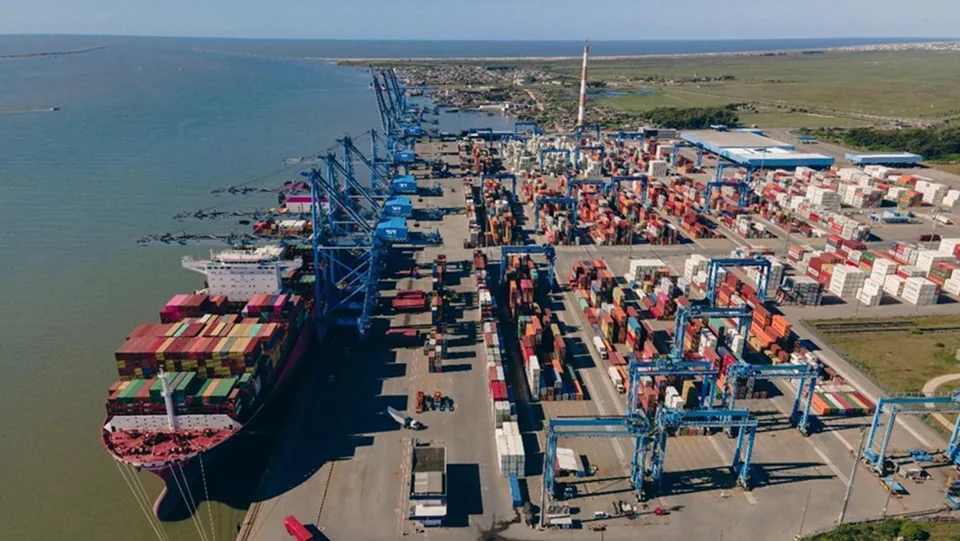
Brazilian port and logistics operator Wilson Sons will invest $220 million in the expansion of the Rio Grande Container Terminal, located in Rio Grande do Sul. by 2030.
The expansion plan aims to increase the terminal’s operational capacity and meet the growing logistics demands of Rio Grande do Sul and the Southern Cone region in South America. It will strengthen regional competitiveness and the infrastructure of the Brazilian economy, said the company.
The need for expansion stems from an ongoing effort driven by exporters’ growing production and the increasing number of transhipment operations from countries such as Uruguay, Argentina, and Paraguay.
Wilson Sons plans to expand the pier from metres to 1,200 metres to allow simultaneous operation of up to three large vessels, including 366-metre-long neo-panamax ships, which operate in most international routes.
“The project directly addresses the need to guarantee the flow of production from exporters based in Rio Grande do Sul and in the Southern Cone, and to serve importers, who depend on the port’s efficiency to maintain the competitiveness of Rio Grande do Sul in the national and international markets,” said Paulo Bertinetti, CEO of Rio Grande Container Terminal.
“If these investments were postponed, there would be a risk of significant operational restrictions, such as ship queues, missed port calls, and cargo diversion to other ports, with a direct impact on the state’s logistics costs,”
The project also includes expanding the back area, paving more than 180,000 square metres, and acquiring three ship-to-shore cranes, 14 rubber tyred gantry cranes, and 26 tractors, all electric, with embedded automation and remote operation. State-of-the-art telemetry asset monitoring systems are also planned.
“Investments of this magnitude tend to generate new opportunities throughout the project and during operations, which helps to strengthen the local economy,” Bertinetti added.
Related Posts