ShippingTelegraph: EU authorizes naval Operation IRINI to board shadow fleet ships
Published by ShippingTelegraph
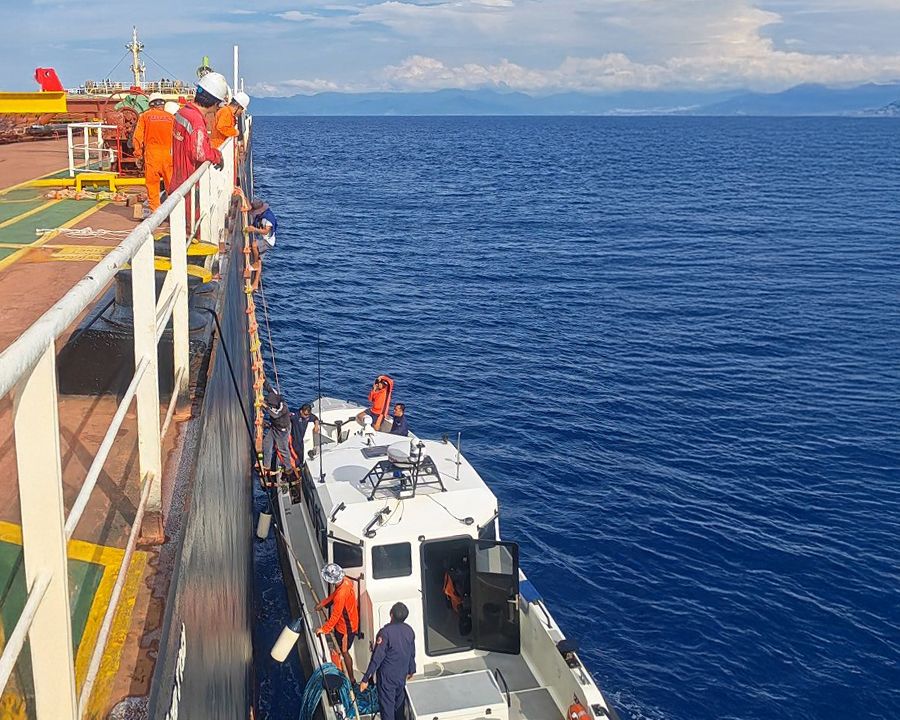
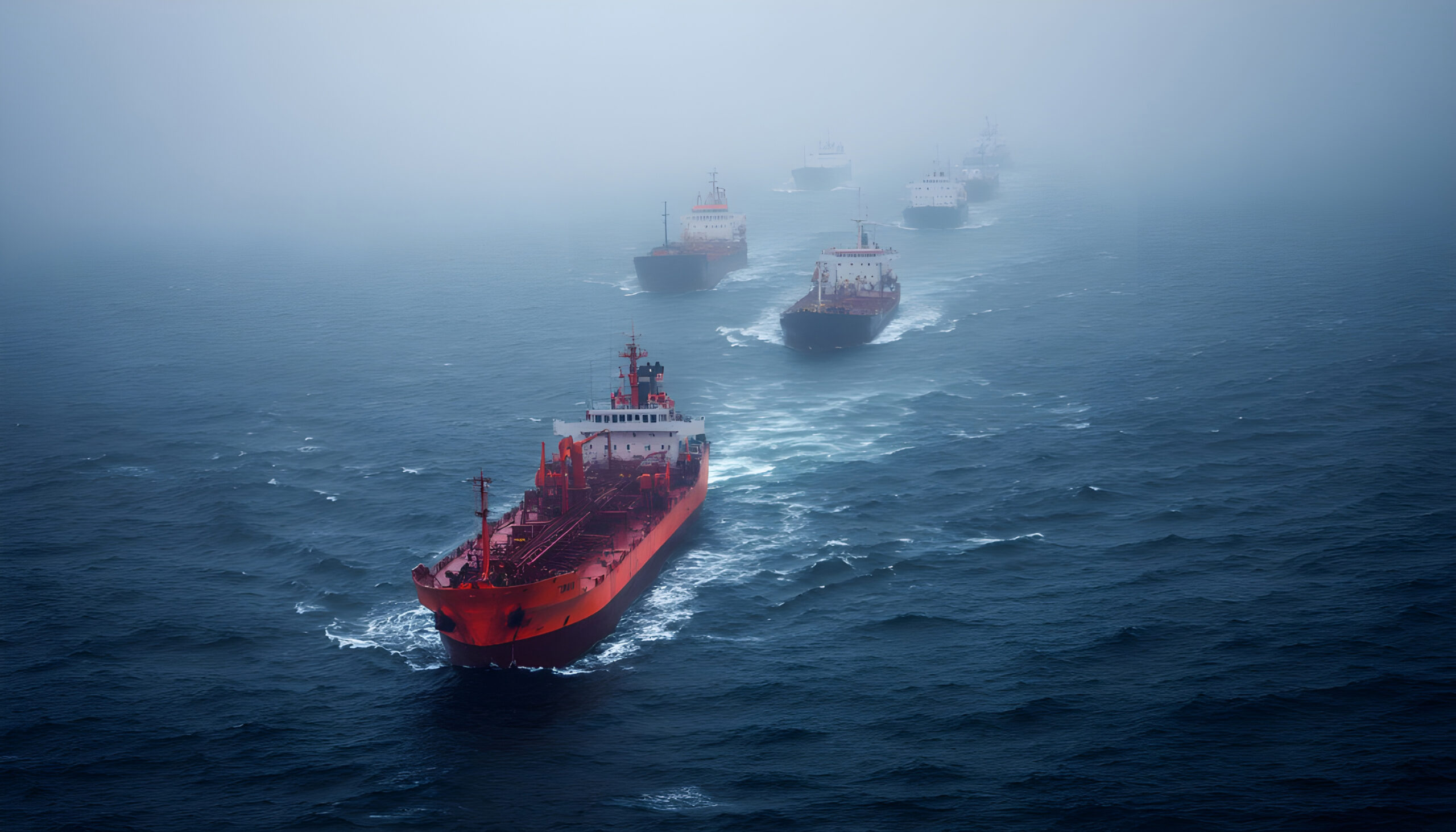
European Union member states have authorized the naval mission in the Mediterranean, Operation IRINI, to board the ships suspected of being part of the “shadow fleet.”
The decision was announced by Kaja Kallas, the EU high representative for foreign affairs and security policy.
Operation IRINI, named after the Greek word for “peace,” is a military Common Security and Defence Policy operation launched on March 31, 2020.
Kallas detailed the new policy in a statement to reporters during an informal meeting of defence ministers in Cyprus on June 8.
The European Union has expanded the powers of its naval mission, giving the authority to EU’s Mediterranean naval force to board vessels suspected of ties to Russia’s shadow fleet.
According to a statement released by the European External Action Service (EEAS), Kallas said: “On the freedom of navigation or maritime security, as such, we will also discuss the shadow fleet. Our Operation IRINI has changed the rules of engagement and has now started to board the ships as well.”
She said the move is aimed at improving maritime safety and reducing the revenues Moscow could use to finance its war against Ukraine.
“The idea is to change the best practices, what different countries are doing with those ships, because it is really posing a danger, and of course also the idea is to curb Russia from the funding of this war.”
Several European countries have increased their focus on these vessels in recent years. Critics have raised concerns about the condition of many of the vessels and the potential hazards they present at sea.
Russian foreign ministry spokesperson Maria Zakharova has criticised France over the detention of an oil tanker in the Atlantic, calling the move a violation of international maritime law.
She also disputed references by French president Emmanuel Macron that the vessel allegedly violated international sanctions (that caused the vessel to be redirected to a French port), mentioning that only sanctions approved by the UN Security Council are truly international.
According to the ministry’s press service, the incident occurred on May 31 when French military forces, reportedly with British support, intercepted and detained the vessel, some 400 nautical miles west of Brittany, on the alleged grounds that it was flying a false flag.
On Tuesday, June 9, EU proposed listing 30 more vessels on top of the 632 already sanctioned. For the first time, EU member states target vessels that assist the so-called “shadow fleet,” providing bunkering and other services.
Related Posts