Shippingtelegraph: EU proposes to replace Russian oil price cap with full maritime services ban
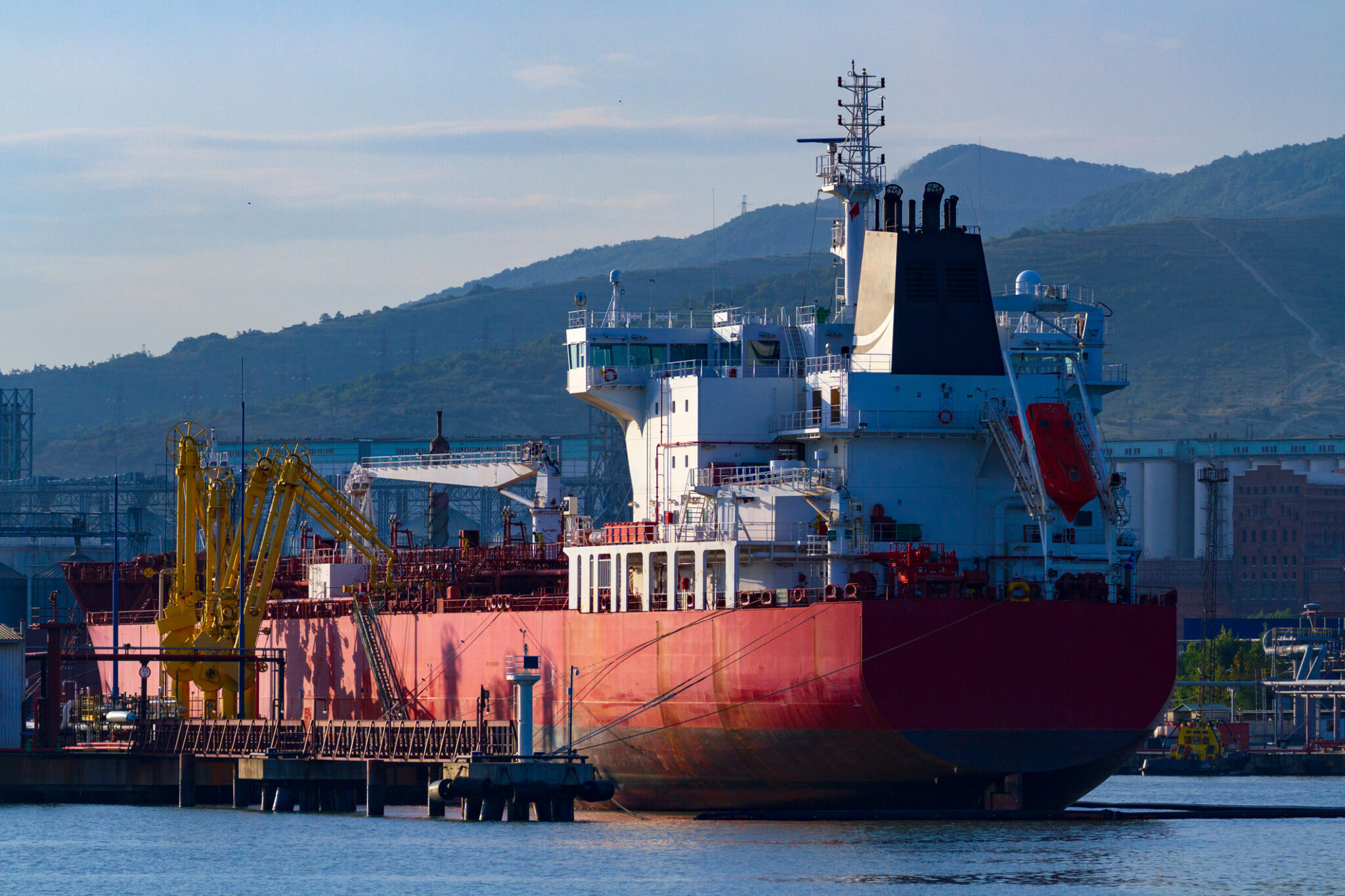
In its ambition to protect Ukraine and itself from Russia, the EU has one toolbox at its disposal: economic warfare. The European Union confirmed on Friday that it plans to dump the oil price cap and replace it with a full ban on maritime services for Russian crude oil.
In practice, under such a transport ban, a European coalition of countries would ban any tanker carrying Russian oil from entering European ports and using European services, either permanently or at least for as long as the ban is in place.
The European Union proposed new sanctions that would replace a price cap on Russian oil with a full ban on maritime services.
This would mean that European firms could no longer provide insurance, shipping, or transport services for Russian oil cargoes at any price.
The European Commission released the proposal on Friday. All EU member states have to approve the package before it goes into effect. In a statement, Commission president Ursula von der Leyen called all member states to “swiftly endorse these new sanctions.”
The maritime services ban, which would need to be endorsed by EU member states, would “slash further Russia’s energy revenues and make it more difficult to find buyers for its oil. As shipping is a global business, we propose to enact this full ban in coordination with like-minded partners after a decision of the G7,” she said.
She also said that dozens more ships working in Russia’s shadow fleet transporting oil should also be targeted.
The package introduces restrictions targeting Russia’s shadow fleet, including the listing of 43 additional vessels – reaching in total 640 – and bans on maintenance and other services for LNG tankers and icebreakers.
“We also make it more difficult for Russia to acquire tankers to be used for the shadow fleet and add sweeping bans on provision of maintenance and other services for LNG tankers and icebreakers to further dent gas export projects. This complements our ban on LNG imports agreed with the 19th package and the RepowerEU Regulation,” von der Leyen added.
Russia’s fiscal revenues from oil and gas dropped by 24% in 2025 compared to the previous year, the lowest level since 2020, widening its fiscal deficit. Oil and gas revenues in January will be the lowest since the war began. Interest rates stand at 16%, inflation remains high, in accordance with the European Commission.
If agreed by all EU member states, the new measure would ban all maritime services – such as insurance – to tankers regardless of the price of the crude they carry. This would in effect replace the current system of restrictions linked to a G7 oil price cap that was designed to reduce the Kremlin’s export revenues.
The proposal comes as European officials say Russia has shown no inclination to find an agreement to end the conflict.
Related Posts