ShippingTelegraph: Greek owners lift newbuilding investment across all segments in last three months
Published by ShippingTelegraph
Greek owners have splashed billions on newbuild contracts with the first half of the year already pointing to unusually strong momentum.
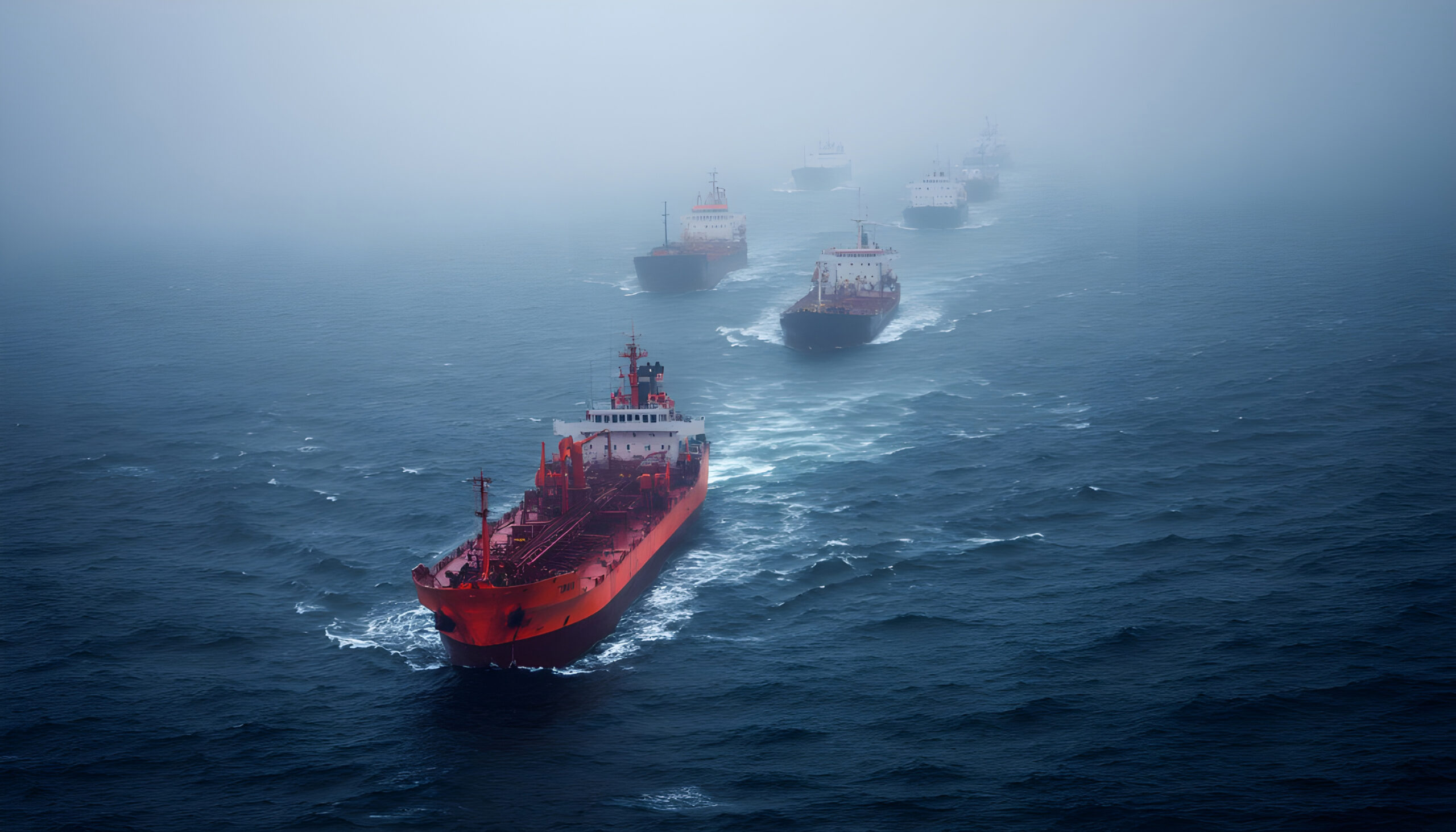
The Strait of Hormuz crisis remains unresolved, keeping upside risk in bunker fuel prices and voyage costs firmly in place. But the Greek investment appetite has not slowed, and a large share of the orderbook is directly tied to energy transportation through VLCCs, suezmaxes, LNG carriers, VLGCs, and VLACs.
Allied Shipbroking reported this week that March marked the start of a particularly active period. The Greek broker in its Allied QuantumSea Research noted that March was driven mainly by tankers, as the Strait of Hormuz crisis pushed Greek owners first and hardest into VLCC and suezmax newbuilding orders.
April and May then broadened the picture, with container vessels and kamsarmax bulkers stepping up first, before dry bulk, gas and tanker activity combined into a much wider spread by late May.
What started as a tanker-led ordering cycle in March has broadened into a more diversified cycle across dry bulk, container shipping, and gas carriers.
According to Allied, the Hormuz crisis helped revive Greek newbuilding investment, first through tankers and especially in March, but the cycle quickly spread well beyond crude carriers.
By late May, the Greek orderbook had become much more balanced, showing not just a reaction to one geopolitical event, but a wider return of Greek owners to multi-segment ship ordering.
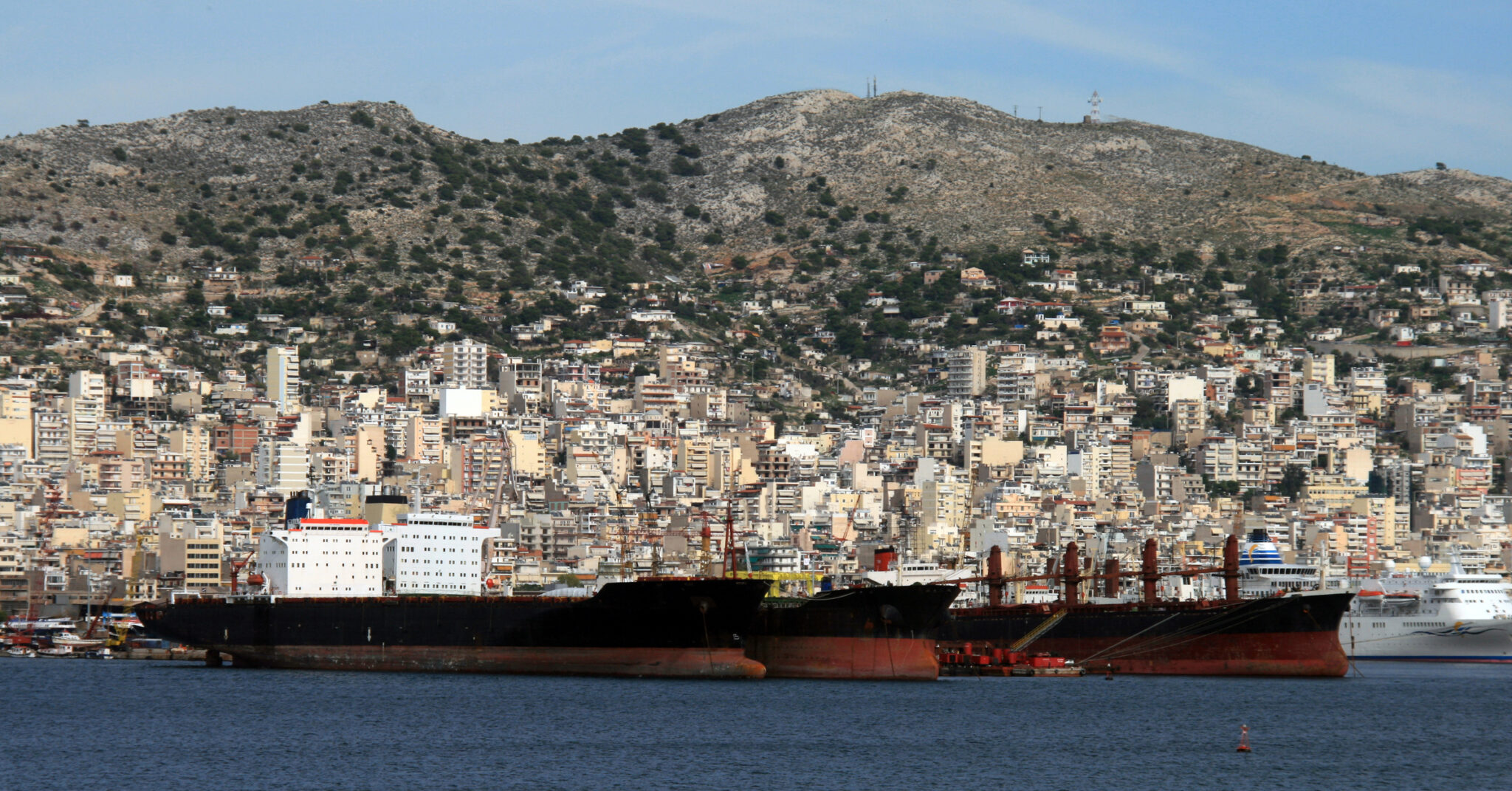
Since Posidonia 2026 opened its doors, much has been made of the dominant position of the Greek-owned fleet within the industry; in the days since, a multi-billion dollar spending spree has helped to secure the Greece’s ongoing prominence in global shipping.
Posidonia 2026 discussions and fresh deals suggest momentum is still building, with major Greek shipping companies continuing to look at both fleet renewal and growth across more than one segment.
Fresh product tanker, suezmax, and container ship business shows that newbuilding interest remains broad-based.
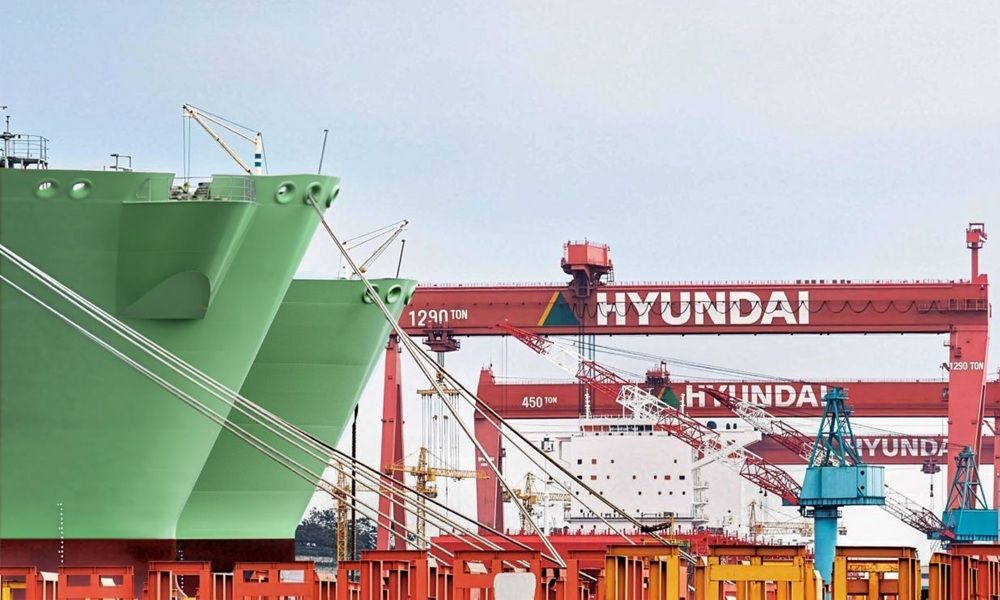
“Deliveries are concentrated mainly between 2027 and 2030, with most shipyard delivery slots falling in the late-decade window rather than in the near term,” the brokerage’s analysts said. “This points to owners securing shipbuilding capacity with a longer-term view, rather than simply adding quick fleet capacity.”
Related Posts