Shippingtelegraph: Shadow fleet ships moving sanctioned oil ‘set to reflag to Russia’
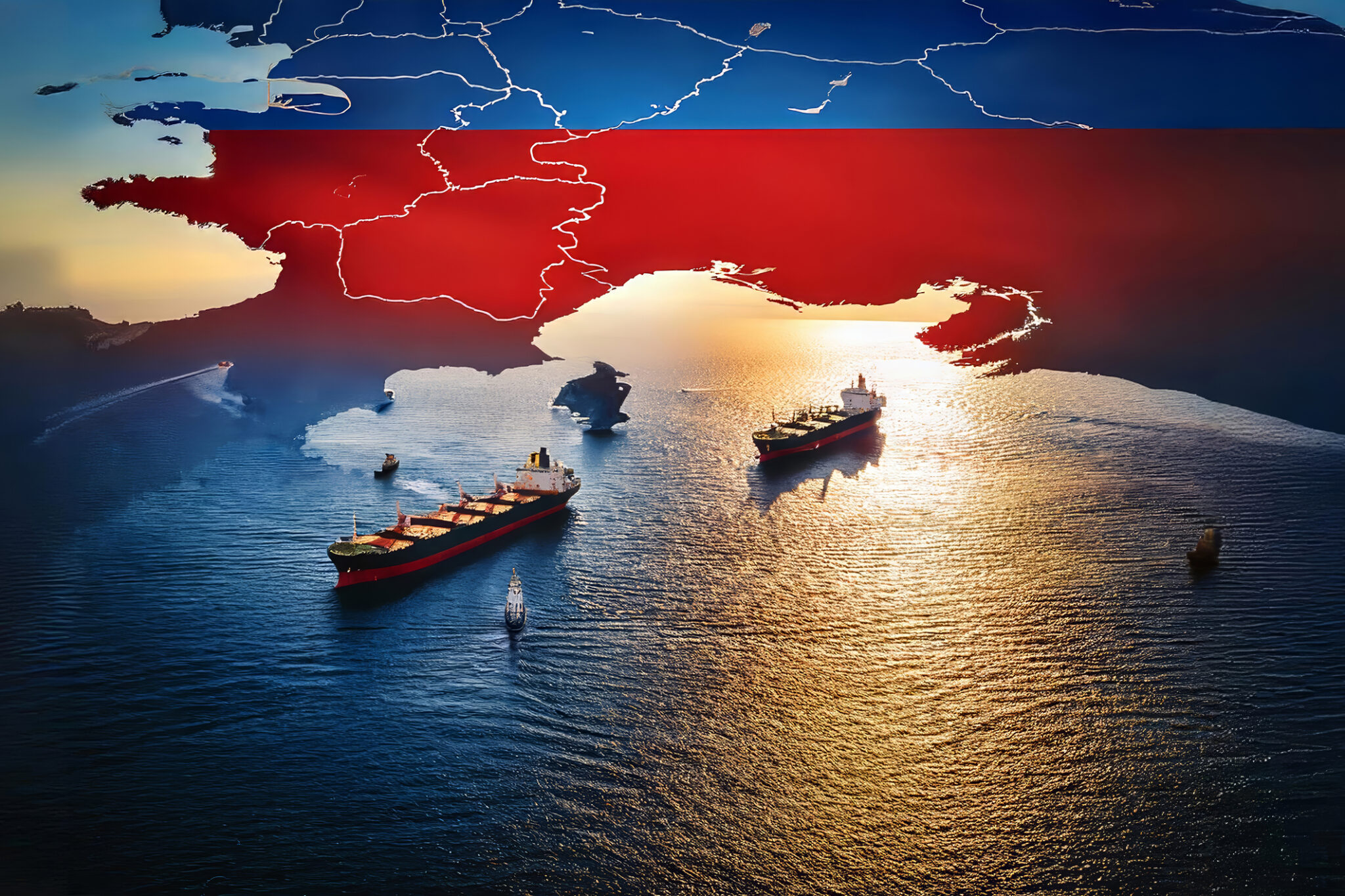
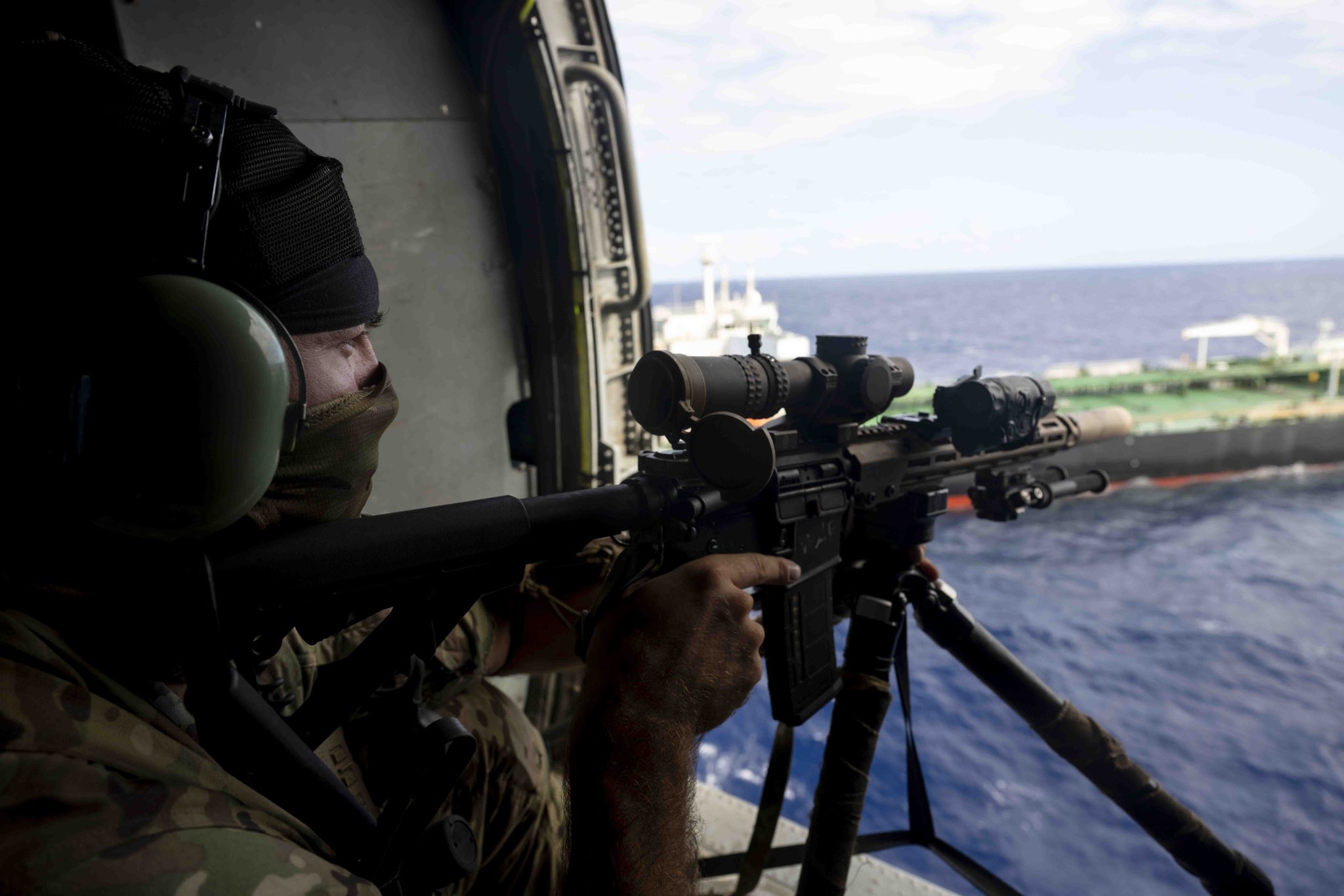
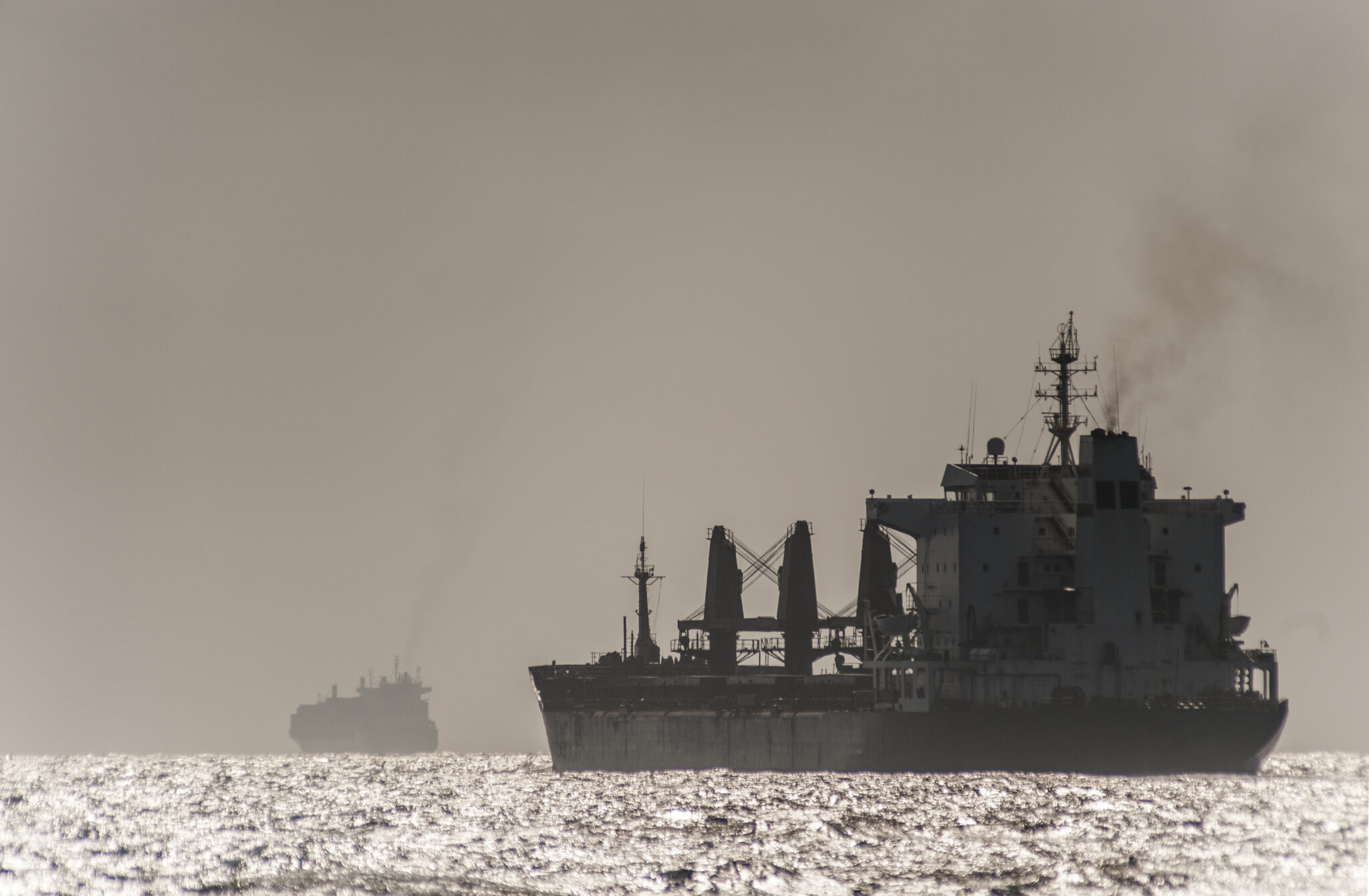
At least 120 falsely flagged, sanctioned tankers are likely to reflag to Russia’s registry in the coming months, as Western interdictions of stateless shadow fleet vessels accelerates a structural shift in Russia’s oil export logistics. The move, described by maritime analysts as a desperate bid for state protection, comes as the United States and its allies intensify efforts to seize vessels bypassing international sanctions.
Nearly 70 dark fleet tankers have been tracked by Maritime AI™ company Windward broadcasting Russia as their new flag since May 2025, including 40 since the boarding, seizure, or detention of falsely flagged ships by the U.S., UK, and France began in December.
At least three vessels switched to Russia’s flag from fraudulent registries last week alone.
Throughout 2025, more than 300 shadow fleet tankers involved in sanctioned Iranian, Venezuelan, or Russian oil trades shifted to fraudulent flags, often after repeated flag hopping.
These vessels were subsequently deregistered by permissive registries, after sustained pressure to remove Western-sanctioned tonnage, leaving many ships effectively stateless.
According to Windward, reflagging to Russia restores legal protection under international maritime law, at least for now.
The trend toward reflagging to Russia is expected to accelerate if governments, including the U.S., maintain pressure and continue interdicting falsely flagged vessels.
Windward data shows approximately 120 Russia-trading tankers over 180 meters in length broadcasting flags from 19 fraudulent registries. These vessels are part of the more than 650 tankers sanctioned for evading Russia-related measures and have been under close surveillance while sailing to and from Russian Baltic ports over the past two years.
A joint statement issued on January 26 by multiple coastal governments warned of increased action against vessels without nationality or valid documentation, reinforcing the growing enforcement risk of stateless ships.
Coastal states of the Baltic Sea and the North Sea, joined by Iceland, issued an open letter to the international maritime community, especially flag and port states, national authorities, flag registries, classification societies, shipping companies, managers, operators, and seafarers warning about the new emerging safety risks due to the growing Global Navigation Satellite Systems (GNSS) interference in European waters and particularly in the Baltic Sea region.
Signed by Belgium, Denmark, Estonia, Finland, France, Germany, Iceland, Latvia, Lithuania, the Netherlands, Norway, Poland, Sweden, and the United Kingdom, the letter stresses that these disturbances, originating from Russia, degrade the safety of international shipping and that “all vessels are at risk.”
They also highlight that the integrity of the Automatic Identification System (AIS) is equally vital, mentioning that spoofing or falsifying AIS data undermines maritime safety and security, increases the risk of accidents, and severely hampers rescue operations.
The co-signatories call upon the international maritime community and national authorities to recognise GNSS interference and AIS manipulation as threats to maritime safety and security; to ensure vessels have adequate capabilities and properly trained crew as required by international conventions to operate safely during navigation system outages; and to cooperate on the development of alternative terrestrial radionavigation systems which may be used in place of GNSS in the event of disruption, loss of signal or interference.
Furthermore, the states stress that the full implementation of the International Maritime Organization (IMO) regulations is fundamental to ensuring maritime safety, the smooth functioning of shipping, and the protection of seafarers and the marine environment, especially in the new emerging situations affecting safety at sea, such as the increasing use of shadow fleet vessels to circumvent international sanctions.
In the letter, they also highlight -among other things- that vessels shall sail under the flag of only one state and that vessels sailing under the flags of two or more states shall be treated as a “ship without nationality.”
They also refer to issues regarding the need for vessels to maintain valid documentation and certification, for companies to maintain a safety management system onboard the vessels operated according to SOLAS Chapter IX (International Safety Management code), for flag states to ensure that ships flying their flag only proceed to sea in compliance with the requirements of the international rules and standards, for vessels to maintain the AIS and the long-range identification and tracking (LRIT) equipment continuously in operation, for ships to provide information about ship identification and any other required information when entering an area covered by a ship reporting system, and to maintain clear communication with relevant maritime authorities including in communication regarding ship reporting systems (SRS) and vessel traffic services (VTS).
The signatories also require vessels to report incidents involving the discharges of oil and other harmful substances as required by international and national rules, to carry on board shipboard oil and marine pollution emergency plans as required by the MARPOL Convention, to carry onboard flag approved ship-to-ship operations plans according to MARPOL Convention Annex I Reg. 41, and not to conduct ship-to-ship transfers without sufficient and timely notification to the coastal state in whose exclusive economic zone the transfer is to take place.
Related Posts