Shippingtelegraph: Singapore develops master plan to strengthen maritime competitiveness
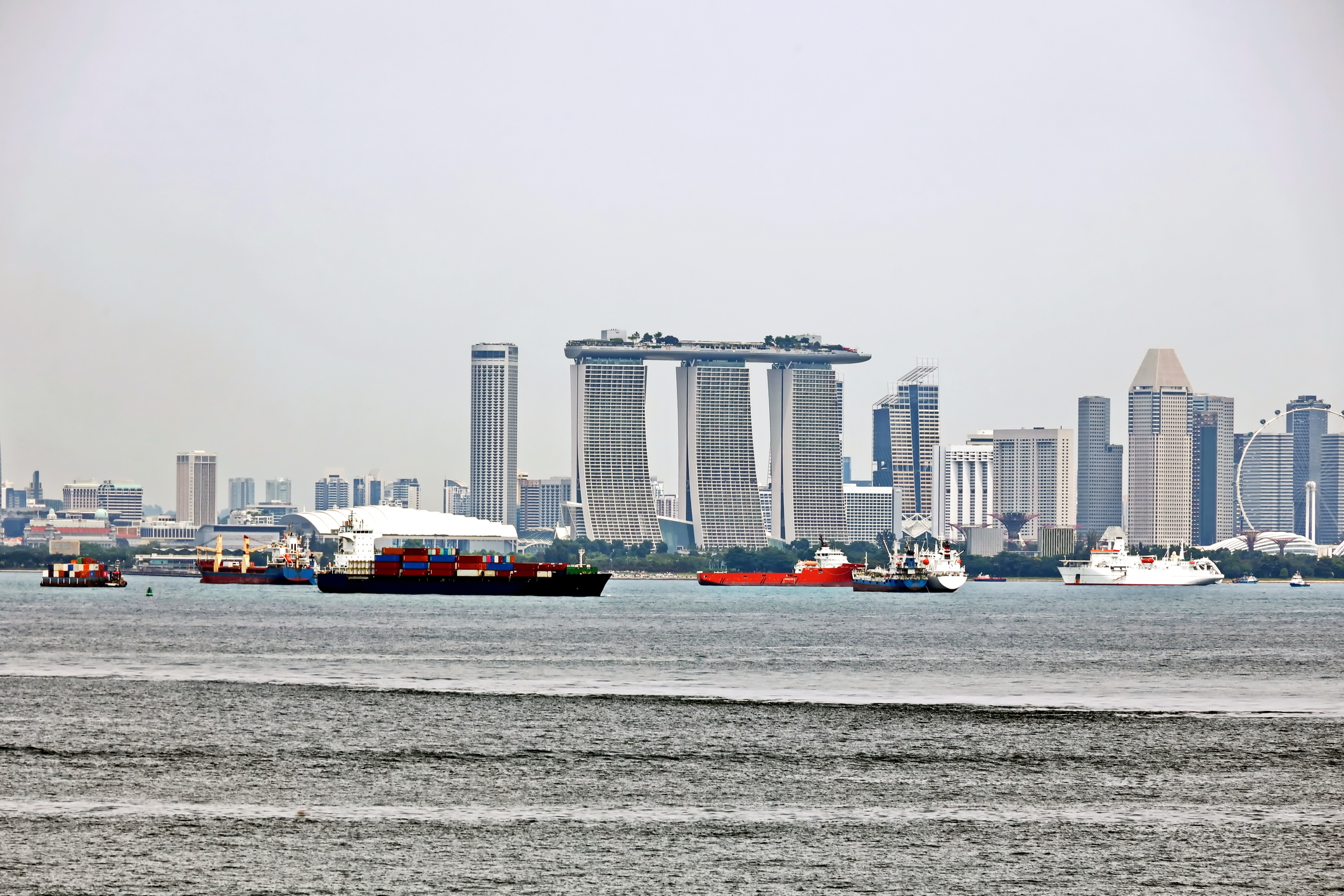
Singapore is charting the longer-term direction of the country’s maritime sector. The Maritime and Port Authority of Singapore (MPA) is developing the Maritime Singapore Master Plan, targeted for release in 2027.
The plan will outline strategies to strengthen Singapore’s competitiveness as a global hub port and enhance its attractiveness as an International Maritime Centre.
It will also grow Singapore as a centre for maritime technology, innovation – including in Artificial Intelligence and R&D – and develop a skilled maritime workforce.
In the coming months, MPA said it will engage businesses, industry stakeholders, and the public to gather feedback and ideas and co-create a common vision.
A local industry panel comprising key business leaders will also be convened to provide their expertise on opportunities and challenges for the industry.
The authority added that the initiative builds on the sector’s steady growth and transformation, which has anchored more than 200 international shipping groups, and created some 2,000 PME jobs for locals over the last five years.
In a speech at ministry of transport’s committee of supply 2026 debate, senior minister of state for transport and law Murali Pillai said the master plan will be a future-focused industry-wide blueprint to guide the sector’s development over the next few decades.
“We will not develop the Master Plan alone. Over the next few months, MPA will set up a local industry panel comprising key business leaders to gather insights, as we engage Unions and the public. MPA aims to formalise the Master Plan by 2027,” he said during the committee of supply 2026 debate last week.
As mentioned by Singapore’s acting minister for transport, the country is also investing in port capacity.
When completed in the 2040s, Tuas Port will have a capacity of 65m TEUs, and be the world’s largest fully-automated container terminal.
Singapore is also launching a new Maritime Cluster Fund Global Rotation scheme. The scheme provides grants to companies to co-fund the overseas deployments of local middle managers, to equip them with the competencies to take on supervisory roles.
From the second half of 2026, MPA will also be expanding trials of unmanned surface vessels (USV) for use in Singapore’s port waters. Findings from the trials will support the integration of USVs in port operations. MPA will work with industry partners to develop safety standards, technical specifications, and operating procedures for USV deployment.
Commenting on the ongoing conflicts in the Middle East that have disrupted maritime activities, Murali said Singapore must remain open and supportive of the free flow of trade and partnerships.
He emphasised that the open seas are not an empire to be conquered but a global commons subject to internationally-accepted rules and laws.
“We also pledge to work with like-minded partners to contribute to the development of rules and standards for international shipping. One way is by establishing Green and Digital Shipping Corridors with other countries. These collaborations enable us to collectively develop technologies, infrastructure, and standards to promote a more sustainable and connected maritime ecosystem,” he added.
Related Posts