Splash247: Digital tracking and training emerge as key tools in safer ship recycling
Published by Splash247
The global ship recycling sector is moving into a more structured and technology-driven phase, but a new industry report warns that compliance alone will not be enough to improve safety standards.
A study by the Sustainable Shipping Initiative said the entry into force of the Hong Kong International Convention is pushing recycling yards toward more formal operating systems, stronger infrastructure and tighter hazardous material controls.
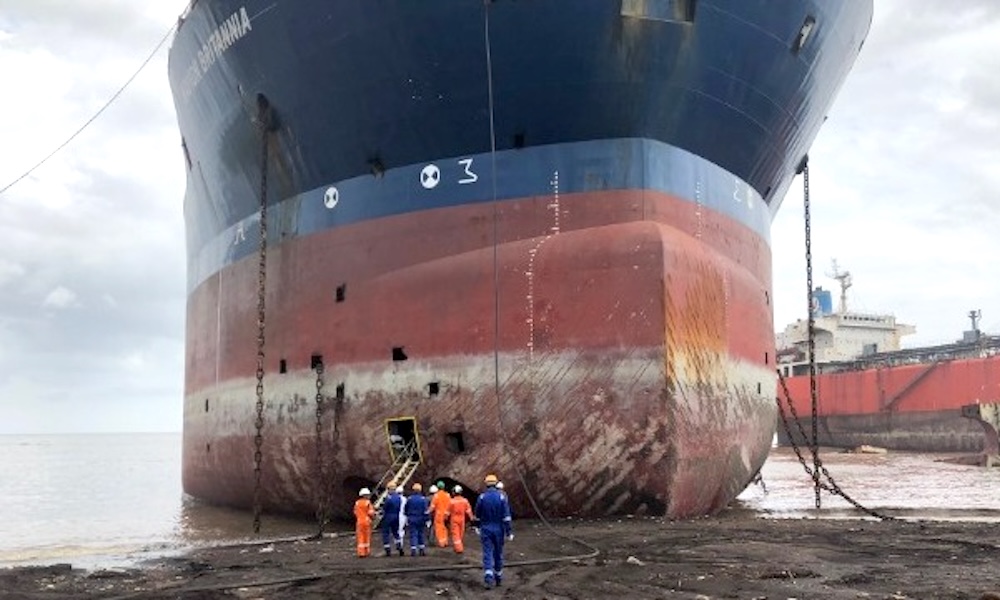
The report, based on research in India’s Alang recycling cluster, said yards are increasingly adopting mechanisation, permit systems and structured safety procedures as the industry prepares for a wave of ageing vessels expected to head for demolition over the next decade.
But researchers argued that the industry still faces a major gap between compliance and real operational capability.
According to the study, many recycling facilities now collect large volumes of operational and safety information through inspections, permit systems and hazardous material inventories, yet the sector still struggles to turn that information into practical risk management on the ground.
The report pointed to growing use of structured monitoring systems, digital documentation and workflow controls to improve dismantling operations, particularly around hazardous materials and vessel tracking. However, it said operational safety still relies heavily on workforce experience, supervision quality and day-to-day decision-making inside yards.
Researchers also highlighted how risks in recycling often begin much earlier in a vessel’s lifecycle.
Ship design complexity, incomplete hazardous material records and ageing onboard systems can all create additional dangers once vessels reach dismantling yards decades later. The report argued that improving recycling safety will require stronger lifecycle accountability from shipowners, designers and regulators, not just recycling operators.
The study comes as the maritime industry faces increasing pressure to improve transparency around end-of-life vessel management, environmental performance and worker safety.
Alang, one of the world’s biggest ship recycling hubs, has spent recent years upgrading infrastructure and operational procedures to align with international standards. Yard operators have introduced more mechanised handling systems, improved waste management processes and expanded workforce training programmes.
Still, the report warned that future growth in recycling capacity will require continued investment not only in physical infrastructure, but also in workforce skills, operational knowledge and better integration of safety systems.
Researchers said the sector’s next challenge will be turning compliance-driven processes into smarter operational systems capable of supporting safer and more sustainable ship recycling at scale.
Related Posts