Splash247: Electric heat pump alliance targets shipping’s energy bill
Published by Splash247
Shipowners looking for lower-cost ways to cut fuel consumption and emissions could soon have a new option on the table after SRC Group and Energy Transfer joined forces to bring electric heat pump technology to the maritime sector.
The companies have formed a strategic partnership aimed at supplying marine heat pump systems for both newbuildings and retrofit projects, targeting vessels that currently rely on conventional oil-fired boilers and chillers for onboard heating and cooling.
Under the agreement, SRC Group will hold exclusive rights to market and integrate Energy Transfer’s heat pump technology for maritime applications, combining its ship engineering and retrofit experience with Energy Transfer’s thermal management expertise.
The companies said the solution is designed to lower both upfront investment and long-term operating costs while helping owners reduce fuel consumption and emissions-related expenses.
Unlike conventional systems that separately generate heating and cooling, the heat pump can simultaneously provide both functions, improving overall energy efficiency. According to the partners, the system can deliver up to 11 kW of combined thermal output for every 1 kW of electrical power consumed under favourable operating conditions.
SRC Group chief technology officer Stefano Pitton said the industry was increasingly looking for technologies that could deliver immediate operational and environmental benefits without requiring major compromises on cost.
“The maritime sector needs solutions that are technically robust, commercially realistic and ready for deployment today,” he said.
Pitton added that the technology could support zero-emission heating and cooling when operating on electrical power while also offering lower capital costs and shorter payback periods than competing solutions.
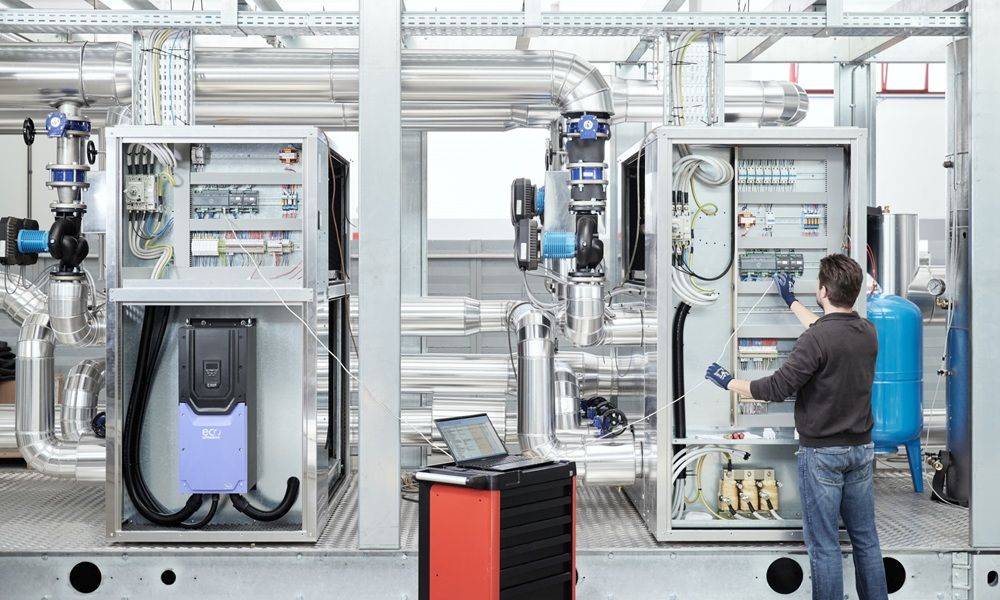
The system has been designed with retrofit projects in mind, featuring a modular skid-mounted arrangement that can be installed in space-constrained engine rooms. Each installation is tailored to the vessel’s heating and cooling requirements and can be connected to existing HVAC, hot water and sanitary systems.
Energy Transfer co-founder Lucia Favaretto said the partnership provides a direct route into the shipping market for technology already proven in other industrial applications.
“Our heat pump technology is designed to maximize efficiency while minimizing footprint and system complexity,” she said.
The standard product range covers thermal capacities from 200 kW to 3 MW, although larger installations can also be supplied. The companies noted that a 3 MW system is already operating commercially.
Heat pumps are increasingly attracting attention across shipping as owners search for practical efficiency improvements alongside larger investments in alternative fuels and vessel upgrades. While much of the industry’s decarbonisation focus remains centred on fuels such as methanol, ammonia and LNG, equipment that reduces onboard energy demand is viewed as one of the quickest ways to cut emissions and compliance costs.
SRC and Energy Transfer said the combination of lower capital expenditure, reduced energy consumption and lower emissions-related costs could allow shipowners to recover their investment in less than two years, depending on vessel type and operating profile.
Related Posts