Splash247: Hormuz becomes frontline in ‘weaponisation of trade’
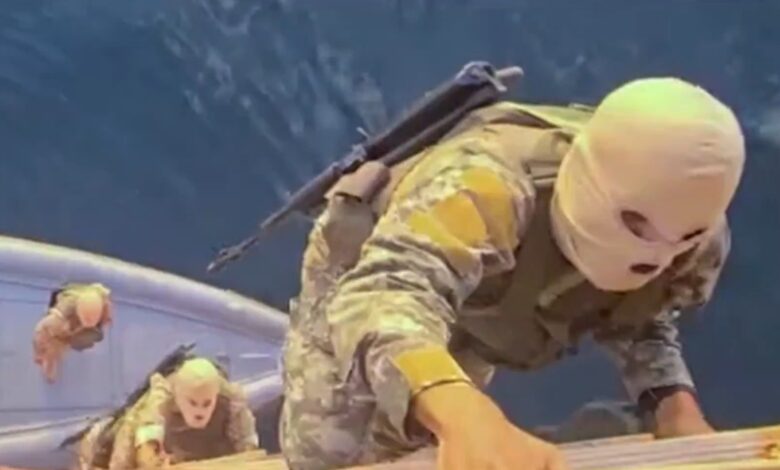
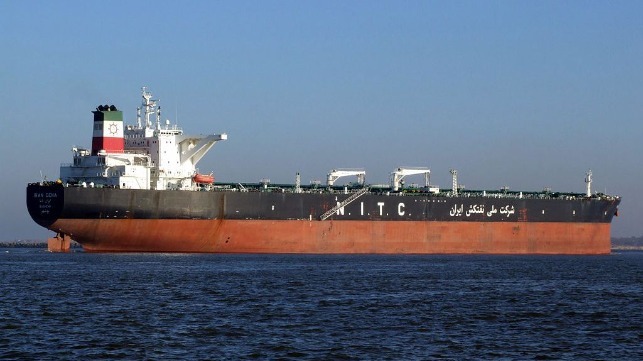
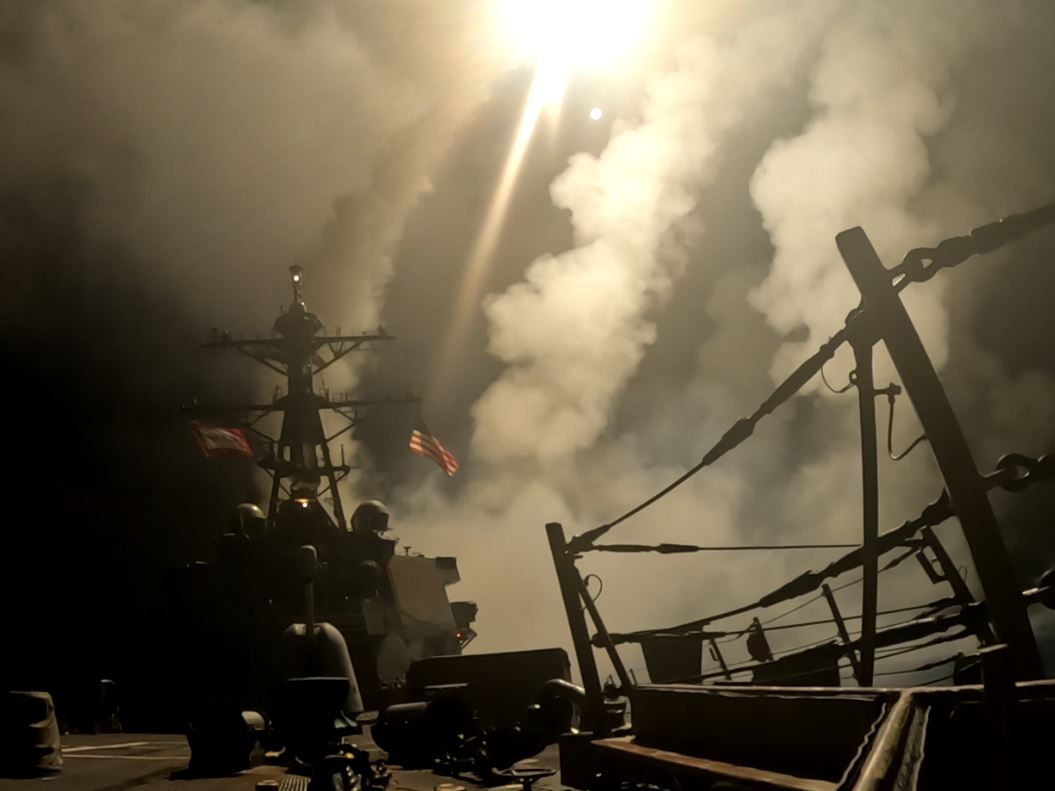
The head of the International Maritime Organization (IMO) has issued a warning over the deteriorating security situation in the Strait of Hormuz, after Iran’s Revolutionary Guard Corps fired on three containerships and seized two of them in a single day, with the US responding today, seizing three tankers according to Reuters in operations far away in south Asia.
IMO Secretary-General Arsenio Dominguez pulled no punches in his condemnation of the escalating crisis, declaring the attacks and seizures of commercial vessels “unacceptable” and calling for an immediate halt to what he described as reckless behaviour putting innocent lives at risk.
“I once again call for these reckless actions to cease and for any ships and innocent seafarers to be released immediately,” Dominguez said.
“The situation in the region remains extremely volatile. I cannot understand why companies would take risks and endanger seafarers’ lives.”
Both sides recognise the pain they can inflict with a bottleneck
The IMO chief said he had spoken directly with a seafarer stranded in the Persian Gulf, who described the harrowing reality of operating in the region – constant stress from missiles overhead, the danger of falling debris striking the ship, the need to ration supplies, and the difficulty of keeping family members informed. While that seafarer was ultimately able to leave, Dominguez warned that nearly 20,000 others remain in the region after more than seven weeks, still uncertain when they will return home.
“De-escalation, meaningful actions and restoring the freedom of navigation is the only way forward,” he said.
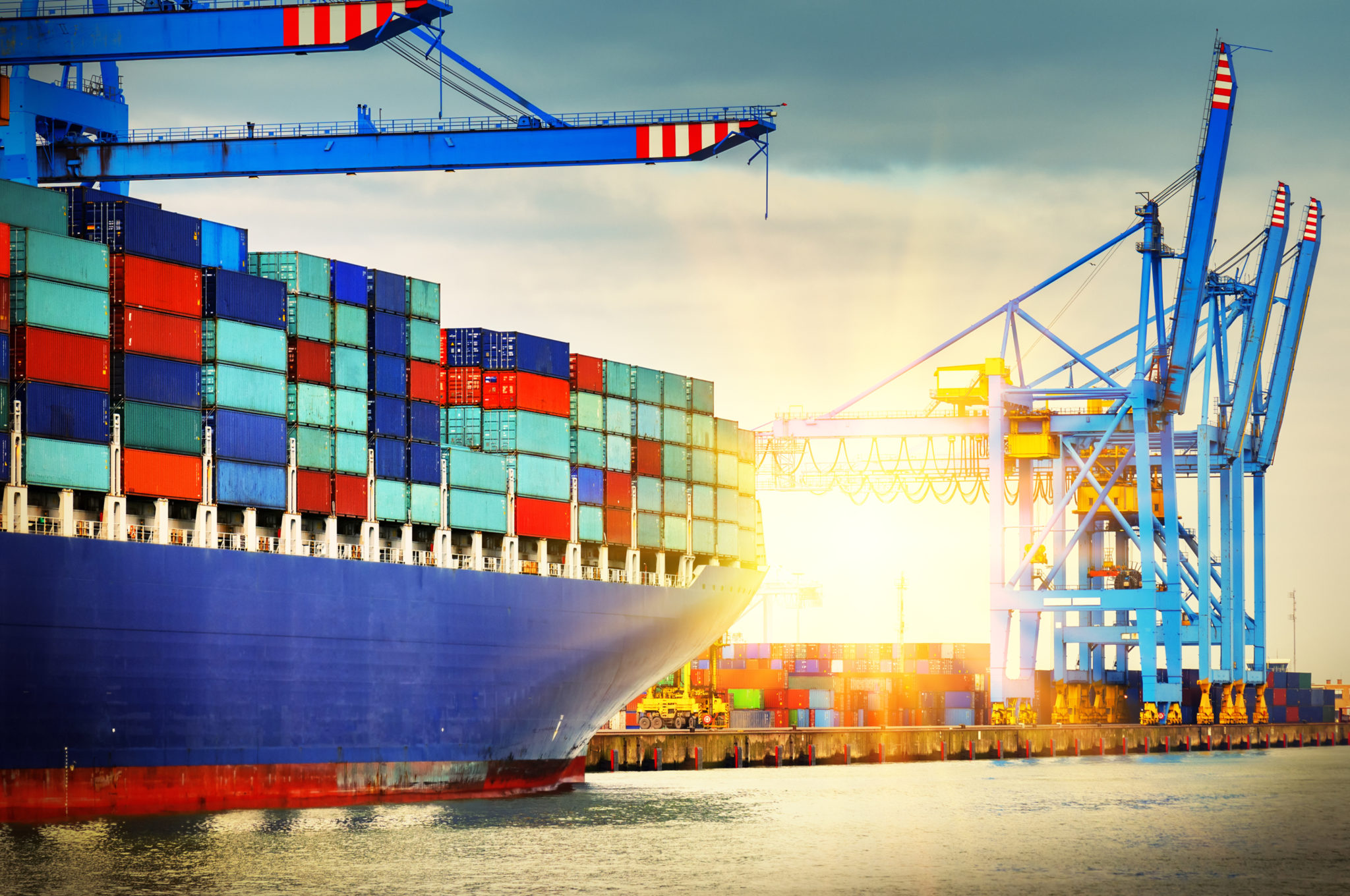
His statement came as fresh details emerged of Wednesday’s dramatic events in the strait. Iran’s Islamic Revolutionary Guard Corps targeted three containerships, firing on them and detaining two in a series of incidents that sent shockwaves through the shipping industry.
The first vessel hit was the 6,673 teu Epaminondas, struck by an IRGC gunboat roughly 15 nautical miles northeast of Oman. Maritime intelligence firm Ambrey noted the ship was not transmitting AIS data at the time – a factor that may have contributed to the confrontation. The vessel sustained significant bridge damage, though no crew injuries were reported.
A second ship, the Panama-flagged 2,478 teu Euphoria, was targeted west of Iranian waters but appeared to escape major damage with crew safe. Later in the day, the 11,668 teu MSC Francesca was intercepted as it exited the strait into the Gulf of Oman, sustaining hull and accommodation damage before being taken under Iranian control and ordered to anchor.
Iranian authorities alleged the vessels had breached regulations, claiming they were operating without proper permits and tampering with navigation systems. The IRGC described any disruption to safety in the strait as a “red line.” The attacks came just hours after US president Donald Trump announced an extension to his ceasefire with Iran – an agreement that had nominally been tied to keeping the waterway open.
Peter Sand, chief analyst at freight intelligence platform Xeneta, said the situation amounted to a deliberate economic weapon being deployed by both sides in the conflict.
“The extended ceasefire can be seen as a positive step, but if it brings a calming of conflict in the skies, that has not reached the water because there is no safe and free passage through the Strait of Hormuz,” Sand said. “This is the weaponisation of trade, with both sides recognising the pain they can inflict with a bottleneck in the Strait of Hormuz.”
Related Posts