Splash247: Overwhelmed by the forces of nature
Steven Jones, founder of the Seafarers Happiness Index, on the sense of shadow that seems to have settled over the maritime world.
“Overwhelmed by the forces of nature” is a line I came across recently in a court document describing the sinking of a ship. The phrase leapt off the page, simple, factual, yet somehow it captured something larger, something we are living through right now. Because the truth is that today’s seafarers are not only navigating the forces of nature, but the darker forces of human nature too.
There is a sense of shadow that seems to have settled over the maritime world, a pall of heaviness and collective fatigue. As the Seafarers Happiness Index prepares to reveal its next set of results, I sense they will not make for positive reading. These are difficult times at sea.
When we talk about “happiness,” it’s easy to picture the fixed smiles of glossy corporate videos, but the contentment of seafarers has never been about that. It’s not about grins and slogans. Real happiness at sea is the absence of fear and the existence of hope. It’s the quiet reassurance that things will work as promised: that pay will arrive on time, that the contract will end when it should, that they will be listened to, heard, seen, supported and understood.
Lately, those sources of certainty have been eroded. Talk of optimism feels hollow when the world itself seems to be splitting at the seams. War has spread across the shipping lanes again, pulling crews into conflict zones they never chose. Missiles and drones are striking vessels engaged in the global movement of food, fuel, and everyday cargo. The simplest commercial act is political in war.
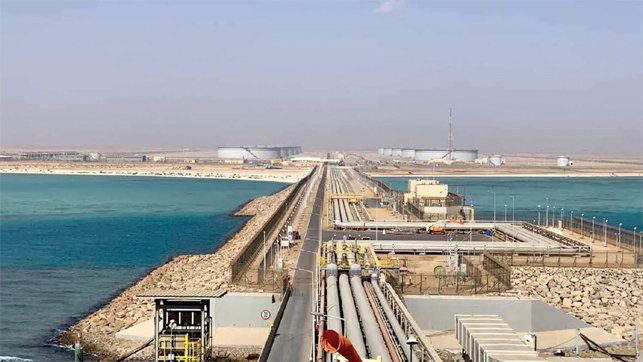
The numbers are stark. Warnings that around 20,000 seafarers are trapped aboard vessels in or near the Persian Gulf as the Strait of Hormuz narrows under the pressure of war. Ships have been attacked, abandoned, or are trapped. Families wait at home in uncertainty, with phones and rolling news switched on…just in case.
How could that not take a toll? For all the stupidity, fear, and frustration of the pandemic years, at least there was a sense then that someone, somewhere, was trying to be benevolent, to save lives. The restrictions were harsh, but their intent was humane. Now, crews face violence without reason, danger without purpose, and blame without justice. Conflict could well trump covid when it comes to destabilising the balance of shipping.
For those still at sea, the mental chart has changed. The old trust, in companies, governments, or even fate, seem to have shifted. Sea lanes that once offered certainty are closing or forcing detours. Abandonments are up. Threats of criminalisation persist, with seafarers still treated as easy scapegoats when things go wrong. The sense of being expendable and under constant threat corrodes morale far more effectively than breaking waves ever could.
And yet, amid the gloom, there remains something worth holding onto. Hope need not be in vain. It can be a belief that we can, with effort, rebuild a sense of purpose and humanity for seafarers.
That begins with listening, understanding and caring. Not being tone deaf trying to pretend that all is well, and that everyone should go to sea. We start by treating seafarers not as statistics, but as people. With due deference and respect, creating pockets of certainty even in difficult times.
It means leadership, moral as much as operational. Shipowners, charterers, and flag States speaking up to restore stability and faith, to bring the hope that people are acting in the best interests of seafarers.
Shipping operates on fine margins, but the emotional resilience of those at sea is reaching breaking point. Constant negativity breeds distrust and despair. The industry cannot thrive if its people only endure it. Again, the absence of hope is the missing element.
Optimism, though fragile, is still possible. It lives wherever a company decides to do the right thing for its people. The phrase “overwhelmed by the forces of nature” was meant to explain a tragedy, but it serves as a warning. The sea does not care, but we should, we must. The greater danger may now come from indifference, our tolerance of a world where those who are so vital suffer indignity and stress, made to feel invisible and taunted for lacking “guts”. Whatever that actually means. Real courage is facing the world with just a boiler suit and a hard hat for protection.
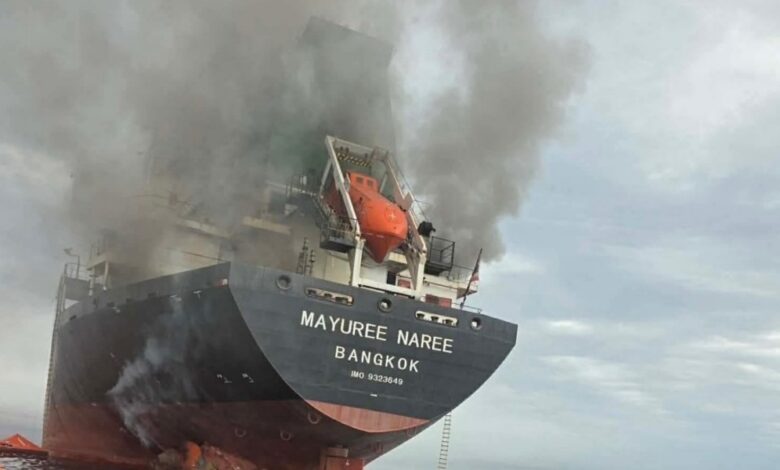
Seafarers deserve more than survival. Yet there can be no sense of happiness without stability, respect, and the right to hope. The red sky at night has to mean some form of delight, something to look forward to, not the burning tanker over the horizon.
Only then can the darkness begin to lift, one seafarer, one ship, one voyage, one act of decency at a time. So that people are not overwhelmed, so that the tyranny of those who exploit will not win. It feels now that the most dangerous virus facing those at sea is human.
Related Posts