Splash247: Poseidon Principles opens the door to private capital
The Poseidon Principles, the shipping finance framework used by banks to track and disclose climate alignment, is widening its scope to bring more of the maritime finance world into the tent.
Until now, the initiative has largely been the domain of ship lenders, lessors and financial guarantors. That is set to change. The Poseidon Principles has announced it will open associate membership to a broader range of financial players, including private equity firms, hedge funds and capital markets underwriters, in a move aimed at boosting climate transparency across shipping finance.
The expansion comes alongside the release of the group’s sixth annual disclosure report, which shows lenders’ shipping portfolios moving closer to alignment with the International Maritime Organization’s (IMO) decarbonisation targets, despite those targets becoming tougher year by year.
Since launching in 2019, the Poseidon Principles have grown into a widely used benchmark for climate reporting in ship finance and have inspired similar frameworks in sectors such as steel, aluminium and aviation. The decision to widen participation reflects a view that banks alone no longer capture the full picture of how shipping is financed.
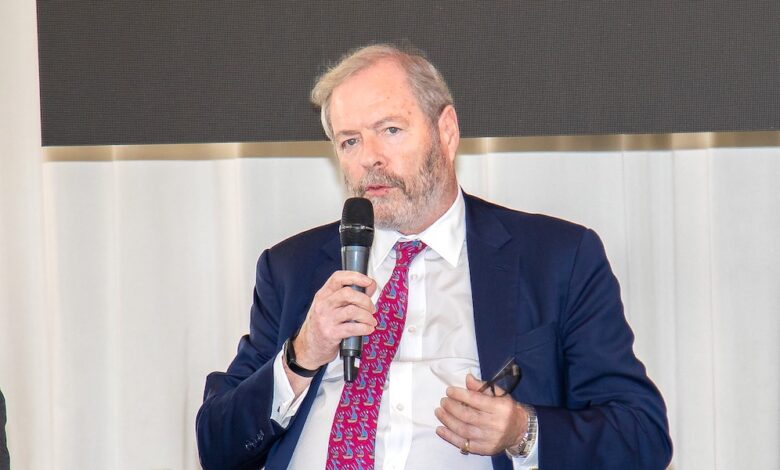
Michael Parker, chair of the Poseidon Principles and chairman of global shipping and logistics at Citi, said the annual disclosure report has become a key reference point for the industry. He noted that it now covers close to three-quarters of global ship finance, offering a rare, consistent view of how lending portfolios stack up against the IMO’s climate ambitions.
By opening associate membership to institutions that provide or arrange capital for shipping, Parker said the framework would “broaden the lens” through which climate considerations are built into financing decisions, even where full reporting obligations are not yet required.
The latest disclosure report shows average portfolio climate alignment improving by almost eight percentage points year on year, a notable shift given the tightening of the IMO’s trajectories. Signatories disclosed 95% of their eligible portfolio activity in 2025, up from 93% the year before and one of the highest disclosure rates since reporting began.
Paul Taylor, vice chair of the Poseidon Principles and global head of maritime industries at Societe Generale, said the results underline the role transparency plays in steering capital. He pointed to growing links between emissions data, credit decisions and products such as sustainability-linked loans.
The report highlighted operational efficiency measures, vessel retrofits and emerging fuel pathways as key drivers behind the improved scores, alongside the delivery of more efficient and dual-fuel tonnage. External factors, including longer voyage routes and supply chain disruptions, also influenced results.
While portfolios remain misaligned with the IMO’s long-term net-zero pathways, progress was recorded across most segments. Cargo shipping moved from around 14% misaligned to 6%, while passenger shipping improved from 38% to 26% misaligned, reflecting efficiency gains and cleaner fuel uptake.
The timing is also notable. With political momentum at the IMO facing setbacks and other initiatives, such as the Net Zero Banking Alliance, losing traction, the Poseidon Principles’ expansion points to a growing role for private-sector transparency in pushing shipping decarbonisation forward.
By drawing in a wider pool of capital providers, the association is betting that common data, shared benchmarks and visibility across the full finance chain can keep pressure on emissions performance—regardless of how global regulation evolves.
Related Posts