Seatrade-Maritime: Iran war boosts Panama Canal traffic
Published by Seatrade-Maritime
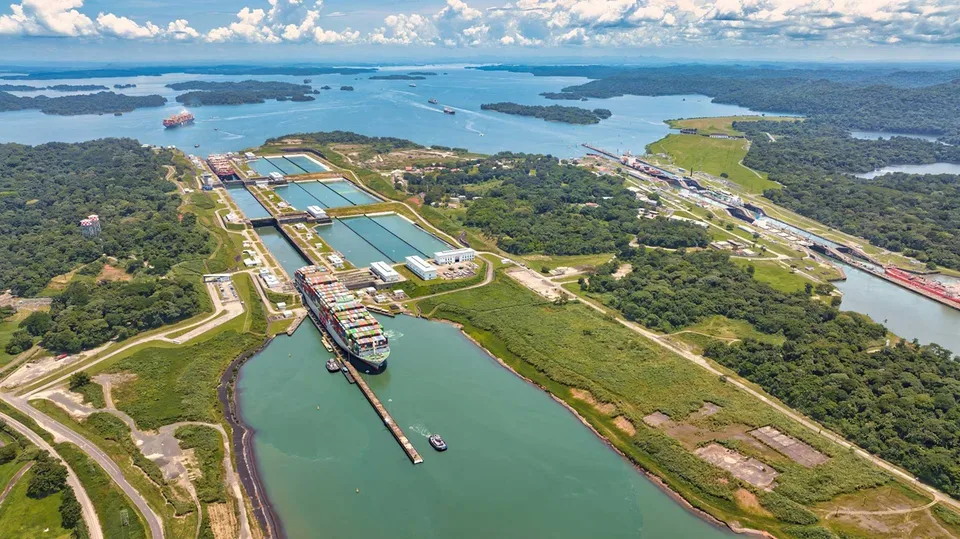
Increased energy cargoes out of the US over the past five to six weeks has boosted Panama Canal transits by 16% according to Bimco shipping analyst Filipe Gouveia.
Tanker transits are driving the elevated traffic through the waterway with a rise of 8% year-on-year, to 38 vessels per day added Bimco.
As energy supplies out of the Arabian Gulf have been restricted by blockades at the strait by both US and Iranian forces US exports to both its West Coast and Asian markets have risen.
“The daily maximum capacity of the Panama Canal is around 36 to 40 transits, meaning it is currently operating close to maximum capacity,” said Gouveia.
Many transits are covered by advanced booking, but others are auctioned as Gouveia explained: “The recent spike in demand has inflated auction prices and caused a 50% year-on-year increase in waiting times, now sitting at a 47-hour average.”
Demand for Panama Canal transits are expected to remain elevated during the Middle East disruptions raising concerns for delays caused by congestion at what is a bottleneck for vessel traffic.
As a result, some vessels may opt to take the much longer routes around the Cape of Good Hope, southern Africa and Cape Horn at South America’s southern most point. These journeys will increase fuel consumption, but will be balanced, at least in part, by avoiding canal charges and congestion costs.
In addition, Bimco points out that t scheduled maintenance on the east lane of the canal’s locks will take place from 9 -17 June, cutting 10 transit slots per day.
“El Niño is expected to emerge between May and July, posing another risk to Panama Canal transits,” said Gouveia.
During El Niño, Panama sees reduced rainfall, cutting water levels in the canal’s main water reservoir at Gatun Lake.
“When El Niño last emerged in 2023, it compromised regular transit conditions for about a year. At its worst point, between December 2023 and January 2024, only 22 daily ship transits were allowed at a maximum draught of 13.4 meters (44 ft) which is 12% below normal levels,” added Gouveia.
Related Posts