Seatrade-Maritime: Strait of Hormuz fears only part of wider global trade risk, POLA hears
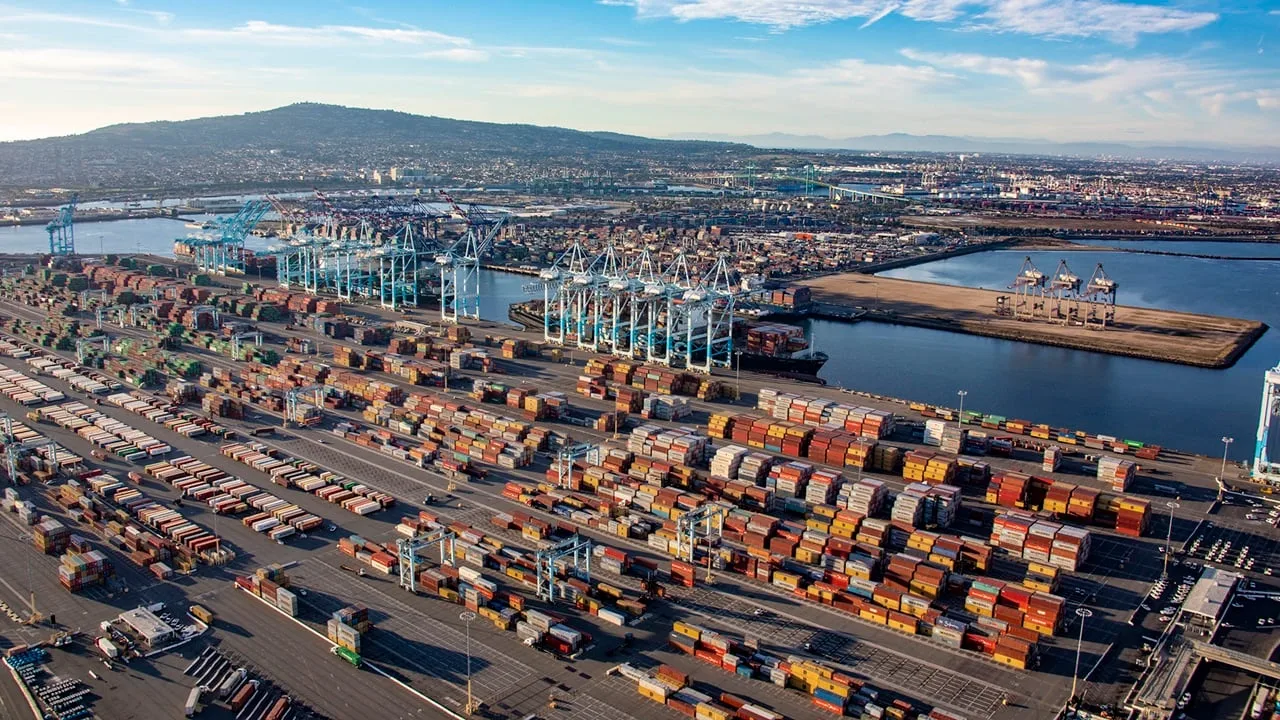
The April 2026 monthly media briefing from the Port of Los Angeles (POLA) covered the geopolitical side of trade, with a long-time colleague of the POLA Executive Director Gene Seroka providing insights on matters related to the Middle East.
Dr. Jerrold D. Green, Senior Fellow at the UCLA Burkle Center for International Relations, this month’s guest on the POLA webcast, offered a cautious and at times worrisome view on how the current hostilities in the Middle East might impact trade going forward.
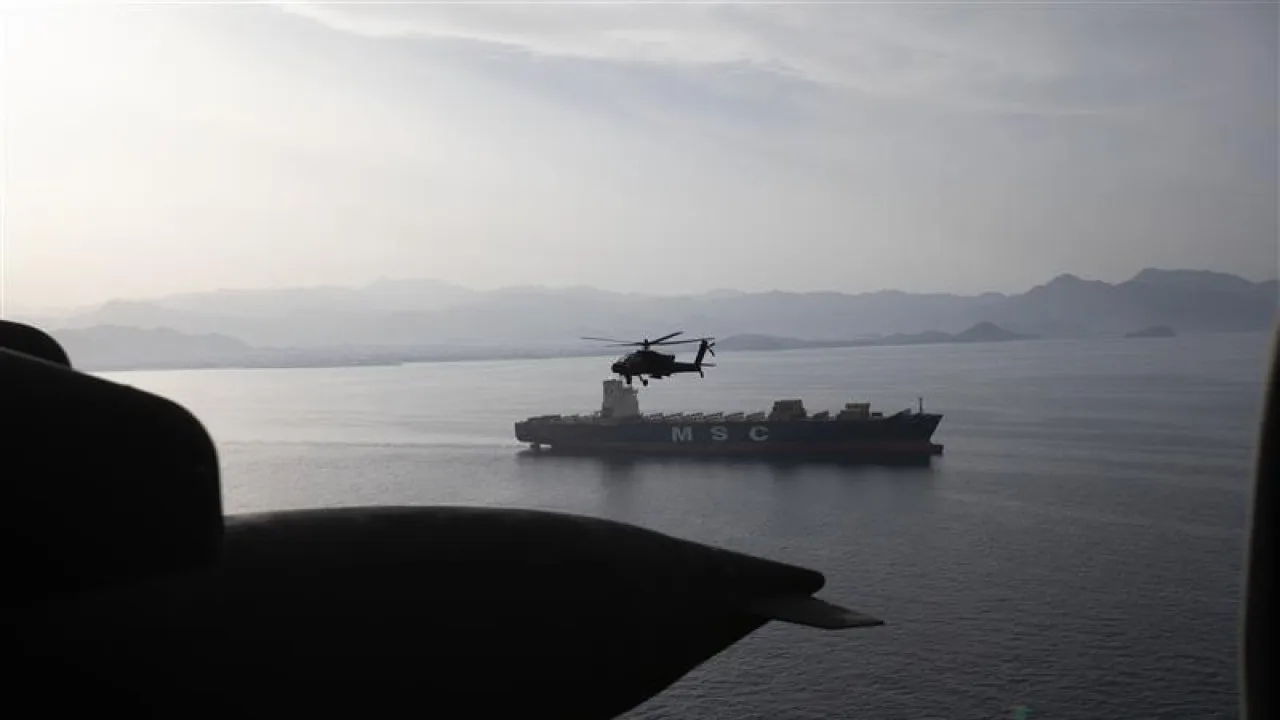
“We’re blockading the blockaders,” Green said when asked what is going on. Noting that “nobody has raised their hands to join us in the blockade,” Green said that “the implications go far behind the Middle East”.
With all eyes on the Strait of Hormuz, and an overabundance of US naval assets in the region, Green asked who was paying attention to Asia and the South China Sea. “That’s really quite concerning,” he said.
Seroka suggested that supply disruptions, with thousands of vessels out of position, would take months to untangle. Green compared Iran’s protracted style “they like to do things very, very slowly” to Washington DC’ “real estate mentality of doing things quickly. “Once the contract’s been inked, then the negotiations begin,” he said. “The question is going to be who is willing to absorb more pain, the United States or Iran? Washington is kind of in a hurry…Iran feels like they have all day…and each side knows that about the other…which is concerning.”
Seroka asked whether larger impacts — “ripple effects across the globe” — might be on the horizon. Green pointed again to Asia, and also Latin America, emphasising the need to take a global perspective. “One wonders, while all of this is unfolding in the Mideast, what’s being unattended? What’s at risk in the rest of the world? This is a serious problem; it looks Middle Eastern but it’s absolutely global.”
Green and Seroka discussed multiple supply chains, including for agricultural products. “Anything involving supply chains is being affected,” said Green.
In the giant geopolitical chess game, Green’s believes that “what Washington, DC is hoping for is that the Chinese will be unhappy in not having access to Iranian petroleum… and therefore China will pressure Iran to make a deal more quickly with the United States.” He also stressed the importance of the Port of Los Angeles as an entry port to California’s giant economy. “There’s nothing that’s not at risk… anything happening globally matters to the Port of Los Angeles…”, said Green, adding that it’s very difficult for anyone in any industry to plan properly for cargo moves going forward.
Though international cargo moves were the focus of the media briefing, Seroka did take a media question regarding the impact, if any, of the 60-day waiver on the Jones Act enacted last month. In an answer focused on the movements of tanker cargoes along the US West Coast, Seroka said he had no evidence of either lower prices at the gasoline pumps, or an influx of non-Jones Act tankers traveling between US ports.
Related Posts