Splash247: Neptune Robotics scales up in Singapore to tackle hull fouling
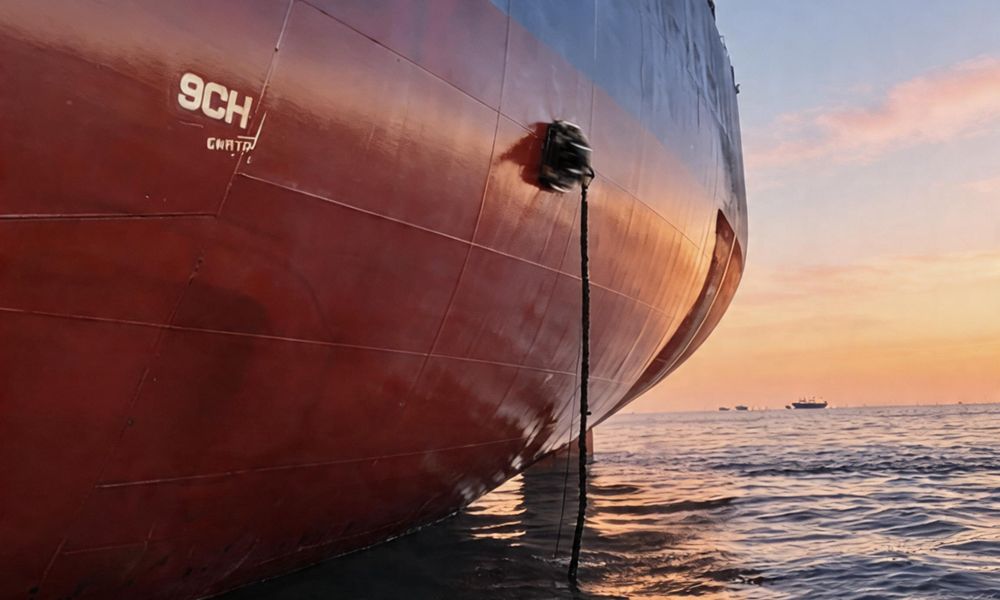
AI-driven hull cleaning player Neptune Robotics is ramping up its footprint in Singapore, opening a new manufacturing and R&D facility as it looks to meet rising demand for fuel efficiency and emissions cuts in shipping.
The $12m investment follows a $52m Series B funding round in September 2025 and marks a step-up in the company’s push to automate one of shipping’s most persistent cost headaches—biofouling.
Neptune, which already operates across 61 ports in Singapore and China, said the new base will boost capacity and support further development of its robotic cleaning systems.
“Our investment in Singapore is a strategic milestone that will enhance our service provision to clients and position us to meet their current and future needs,” said Elizabeth Chan, co-founder and CEO of Neptune Robotics.
“With operators facing mounting fuel cost and emissions pressures, we’re scaling autonomous hull cleaning to help mitigate these issues and empower our clients to run more sustainable shipping operations,” she said.
Biofouling—the build-up of marine growth on hulls—can push up fuel consumption and emissions by as much as 25–30%, depending on vessel type and trading conditions. Neptune’s robots are designed to remove that build-up without damaging coatings, offering a quick efficiency gain for owners under pressure from tighter environmental rules.
The Singapore facility will focus on both production and technology development. Neptune said it plans to lift local cleaning capacity by 400% by the end of 2026, targeting up to 60 hull cleanings per day by 2027.
At the same time, the company is investing in its AI stack, with dedicated R&D aimed at improving performance in tough operating conditions such as strong currents, poor visibility and heavy weather. The goal is to enable round-the-clock operations with minimal human intervention.
Neptune entered the Singapore market in 2024 and has since expanded quickly, benefiting from strong demand and a thinning field of competitors. Its robotic approach also removes the need for divers, reducing safety risks while keeping vessels operating at optimal efficiency.
Related Posts