Splash247: New Wilhelmsen unit signs LR deal to lift recycling practices
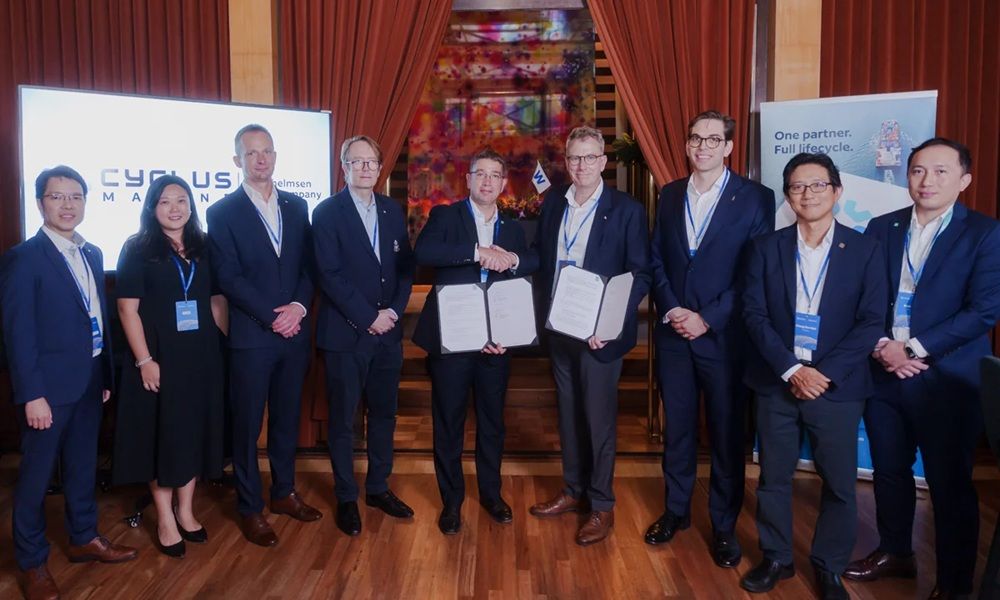
Cyclus Marine has moved quickly to position itself in the ship recycling space, signing a memorandum of understanding with Lloyd’s Register aimed at improving standards and transparency across the sector.
The agreement comes just days after the launch of the Wilhelmsen Ship Management-backed lifecycle services unit and signals an early focus on what is expected to become a growing part of the maritime value chain.
With ageing fleets, tighter regulation and rising ESG pressure, more owners are being forced to look closely at how vessels are retired. But ship recycling remains uneven, with ongoing concerns around environmental impact, worker safety and inconsistent yard standards.
Under the MoU, Cyclus Marine and Lloyd’s Register will work across four main areas, including developing a framework to assess recycling facilities, carrying out audits, supporting workforce training and promoting responsible recycling practices.
The aim is to give owners clearer guidance when selecting yards, while helping to lift standards across the industry.
Cyclus Marine is positioning itself as a full lifecycle partner, covering everything from newbuild supervision and retrofits through to decommissioning and recycling. The tie-up with LR adds technical oversight and assurance capabilities to that offering.
Gabriel Yeo, general manager of Cyclus Marine, said the partnership is designed to turn ambition into practical steps.
“By combining Cyclus Marine’s project execution and lifecycle management expertise with Lloyd’s Register’s technical authority and assurance capabilities, the collaboration aims to support safer, more transparent, and more responsible recycling outcomes at scale,” he said.Nick Brown, chief executive of Lloyd’s Register, said the move reflects a shared focus on raising industry standards.
“This collaboration reflects a shared commitment to raising standards in ship recycling and supporting owners with credible, technically grounded solutions,” he said.
The deal provides a platform for further cooperation between the two parties as they work with shipowners, yards and regulators to improve oversight in a segment that is coming under increasing scrutiny.
As more tonnage approaches end-of-life over the coming decade, the ability to demonstrate responsible recycling is likely to move higher up the agenda — both for compliance reasons and for owners under pressure from charterers, financiers and regulators.
Related Posts